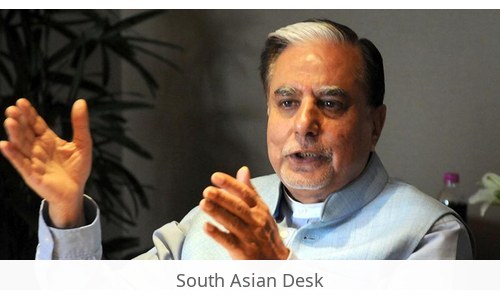
Subhash Chandra debt relief has taken a significant turn as the National Company Law Tribunal (NCLT) approved a repayment plan, allowing him to pay ₹6.5 crore towards claims of ₹22,006.57 crore. Creditors holding more than 80% voting rights approved the repayment plan, with the court leaving the commercial decision to the creditors. This development highlights significant financial challenges faced by banks in South Asia, particularly in managing large-scale insolvency cases where recovery rates are drastically reduced. The 99% haircut on Subhash Chandra’s debts underscores the systemic risks inherent in corporate lending and the broader economic vulnerabilities affecting regional financial institutions.
Subhash Chandra debt relief: Implications for Subhash Chandra’s Business
The approved repayment plan may enable Subhash Chandra to redirect capital toward renewed investments and business expansion. However, the 99% haircut on his outstanding debts could affect stakeholder confidence, requiring strategic adjustments in operational planning. The resolution of this insolvency case may also influence future business partnerships and financial commitments. Given the scale of the debt reduction, Subhash Chandra’s ability to secure new financing or attract investors will depend on his capacity to demonstrate financial stability post-resolution. This case also raises questions about the long-term viability of corporate guarantees in South Asia, where high-profile insolvencies have increasingly tested the resilience of financial systems.
Impact on the Banking Sector
The 99% haircut on Subhash Chandra’s debts underscores the risks faced by financial institutions in managing large-scale insolvency cases. Banks may reassess lending practices and risk mitigation strategies, particularly for high-value corporate guarantees. This case could prompt broader discussions on debt restructuring frameworks in South Asia, though no formal policy changes have been announced. The NCLT’s decision reflects a growing trend of creditors prioritizing liquidity over full recovery in cases where the borrower’s financial position is irreparably compromised. For banks, this outcome may serve as a cautionary precedent, encouraging more rigorous due diligence and the inclusion of stricter covenants in future lending agreements.
Economic Context
The financial challenges highlighted by this case reflect broader economic trends in South Asia, where institutions grapple with non-performing assets and liquidity constraints. Regional economic stability remains a priority for policymakers, with cross-border financial cooperation mechanisms under review. This insolvency resolution process aligns with ongoing efforts to balance creditor interests with corporate rehabilitation. The case also highlights the need for enhanced regulatory frameworks to address the growing volume of non-performing loans, which have been exacerbated by economic slowdowns, geopolitical uncertainties, and fluctuating commodity prices. South Asian countries have increasingly turned to multilateral institutions for guidance on restructuring strategies, though domestic implementation remains uneven.
Regional Financial Frameworks and Policy Considerations
The resolution of Subhash Chandra’s insolvency case has sparked renewed interest in the effectiveness of South Asia’s insolvency resolution mechanisms. While the NCLT’s decision adheres to existing legal frameworks, it has exposed gaps in the region’s ability to manage high-stakes corporate defaults. Policymakers are now under pressure to strengthen oversight of financial institutions and ensure that debt restructuring processes are both equitable and sustainable. The case also underscores the importance of cross-border coordination, as many of the affected banks operate in multiple jurisdictions, complicating the enforcement of repayment terms. Regional bodies such as the South Asian Association for Regional Cooperation (SAARC) have been urged to facilitate dialogue on harmonizing insolvency laws to prevent systemic risks.
Stakeholder Reactions and Market Dynamics
The outcome of the NCLT’s decision has elicited mixed reactions from stakeholders. While Subhash Chandra’s reduced liability provides immediate relief, critics argue that the 99% haircut sets a dangerous precedent for future debt negotiations. Some analysts suggest that the resolution may encourage other debtors to seek similar concessions, potentially undermining the credibility of financial institutions. Conversely, the case has been praised for its transparency, as the creditors’ approval process adhered to procedural norms, minimizing the risk of legal challenges. Market observers note that the resolution could influence investor sentiment, with potential implications for the valuation of assets tied to the debtor’s portfolio. Subhash Chandra debt relief may also serve as a case study for creditor confidence in the South Asia banking sector, demonstrating how structured negotiations can mitigate systemic risks.
Follow SouthAsianDesk on X, Instagram and Facebook for insights on business and current affairs from across South Asia.
The wider context of this developing story also includes NCLT approval.
Sources
- Subhash Chandra gets relief in personal guarantee case as leading banks face 99% haircut – thehindu.com
- Subhash Chandra’s Rs 22,006-Crore Debt Cut To Just Rs 6.5 Crore. Here’s Why – ndtv.com
Image: th-i.thgim.com