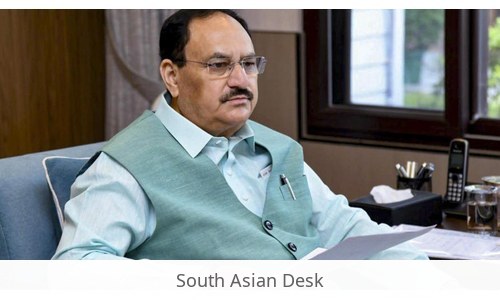
anti-quota protests India have intensified in recent weeks, with BJP President JP Nadda meeting a faction of anti-quota protesters on August 27, 2026, as reported by The Hindu. The discussions, described as ‘cordial’ by Nadda, highlight the BJP’s efforts to address upper-caste voter concerns while navigating the complex political landscape surrounding reservation policies in India. This engagement underscores the party’s electoral strategy, which seeks to balance its base with growing demands for reform.
anti-quota protests India: Political Implications of the Meeting
The meeting between Nadda and the Reservation Hatao Andolan faction reflects the BJP’s strategic calculus in addressing anti-quota protests India. As part of its electoral strategy, the party has long aligned with upper-caste interests, which have increasingly voiced concerns over reservation policies impact. Nadda’s engagement with the anti-quota movement signals an attempt to address these concerns while managing broader electoral considerations. However, the meeting has drawn criticism from other protest leaders who claim the delegation was a government ‘plant’ aimed at diluting the movement’s impact. This skepticism highlights the deep mistrust between the opposition and the ruling party, particularly in a political climate where accusations of manipulation are common.
Internal Divisions within the Anti-Quota Movement
Leaders of the Reservation Hatao Andolan have claimed that the delegation Nadda met was not representative of the broader anti-quota protests India. CJP’s Abhijeet Dipke questioned why Nadda did not specify the movement’s name or goals during the discussions, suggesting a lack of clarity in the BJP’s approach. These internal divisions risk fragmenting the anti-quota movement, potentially weakening its collective bargaining power. The result, while united in their opposition to affirmative action, comprise diverse groups with varying priorities. Some focus on economic equity, while others emphasize meritocracy. The absence of a unified leadership structure exacerbates these divisions, making it challenging to present a cohesive demand to the government. This fragmentation could also lead to a dilution of the movement’s message, reducing its effectiveness in influencing policy decisions.
Historical Context of Reservation Policies in India
To fully understand the current tensions, it is essential to examine the historical context of reservation policies in India. Introduced under the Constitution, reservations were initially designed to uplift historically marginalized communities, including Scheduled Castes (SCs), Scheduled Tribes (STs), and Other Backward Classes (OBCs). Over time, these policies have expanded to include additional categories, such as economically weaker sections (EWS). While proponents argue that reservations have been instrumental in reducing disparities, critics contend that they have perpetuated caste-based divisions and hindered social mobility. The debate over reservations has often been politicized, with different parties leveraging the issue to consolidate their voter bases. The BJP’s current engagement with anti-quota protesters is thus part of a broader historical pattern of political maneuvering around affirmative action.
Future Policy Considerations
The discussions may influence the BJP’s stance on reservation policies, though no immediate legislative changes have been indicated. The party faces a delicate balancing act: addressing upper-caste voter concerns without alienating lower-caste constituents who benefit from affirmative action. The outcome of these talks could shape future policy debates and electoral strategies in the region. Potential reforms might include redefining eligibility criteria for reservations, introducing time-bound policies, or exploring alternative mechanisms for socio-economic upliftment. However, any significant changes would require navigating a complex political landscape, where opposition from both within and outside the party could pose challenges. The BJP’s ability to reconcile these competing interests will be crucial in determining the trajectory of reservation policies in the coming years.
Regional and Electoral Implications
The engagement between Nadda and the anti-quota protesters also has broader regional and electoral implications. In states with significant upper-caste populations, such as Uttar Pradesh and Bihar, the issue of reservations is a key electoral battleground. The BJP’s outreach to anti-quota groups could signal a shift in its strategy to appeal to these constituencies, potentially altering the dynamics of upcoming state elections. Conversely, the party risks alienating its lower-caste allies, who have historically supported the BJP’s reservation policies. This delicate balancing act underscores the challenges of maintaining a cohesive electoral strategy in a deeply divided socio-political environment.
Follow SouthAsianDesk on X, Instagram and Facebook for insights on business and current affairs from across South Asia.
Sources
- Nadda has ‘cordial discussions’ with one faction of anti-quota protesters – thehindu.com
- Why JP Nadda met anti-reservation protesters, and what BJP wants – indianexpress.com
Image: th-i.thgim.com