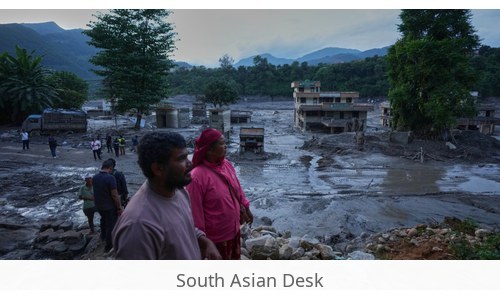
India Nepal flood relief efforts have taken center stage as the nation swiftly responded to the devastating floods in Nepal. On August 26, 2026, India’s Ministry of External Affairs confirmed the dispatch of 62 tonnes of humanitarian and disaster-relief supplies to Nepal within 12 hours of the crisis. The first consignment arrived in Kathmandu on the night of August 26, according to Daily Mirror. The floods have left at least 547 confirmed dead and nearly 1,500 people missing across Nepal and Tibet, as reported by The Hindu. This Nepal humanitarian crisis has underscored the urgent need for regional cooperation in South Asia, with India’s aid to Nepal serving as a critical lifeline.
Impact on Local Economy
The floods have caused unprecedented losses to the cargo container trucking business along the Rasuwa-Gyirong border and Trishuli corridor. More than 400 container trucks and over 1,000 individuals associated with them are unaccounted for, as stated by OnlineKhabar. This corridor is a critical artery for cross-border trade between India and Nepal, facilitating the movement of goods, including agricultural products, manufactured items, and raw materials. The disruption of this trade route has immediate repercussions on local economies, with businesses reliant on these supply chains facing severe operational challenges. The loss of 400 trucks represents a significant portion of the region’s commercial infrastructure, potentially delaying recovery efforts and affecting livelihoods for thousands of workers. The Nepal economy impact extends beyond immediate losses, as the region’s ability to rebuild and restore normal trade operations will depend on coordinated efforts to address infrastructure damage and logistical bottlenecks.
Ongoing Rescue Efforts
Rescue operations continue to locate missing persons, with at least 320 Indians reported missing and around 400 others stranded on the Chinese side of the border, per the Ministry of External Affairs. Families of missing individuals are enduring a prolonged wait for news as rescue teams face challenges in the aftermath of the floods, according to Al Jazeera. The geographical complexity of the affected areas, including mountainous terrain and remote villages, has hindered access for rescue teams. Additionally, the floods have damaged roads and bridges, complicating efforts to reach stranded individuals. India’s diplomatic channels are reportedly working with Chinese authorities to facilitate cross-border coordination, though the process remains slow due to bureaucratic and logistical hurdles. The situation underscores the need for pre-established emergency protocols between neighboring countries to ensure rapid response in such crises.
India Nepal flood relief: Regional Cooperation in Action
India’s swift aid response underscores the importance of regional cooperation in South Asia. The humanitarian assistance has been framed as a diplomatic tool to strengthen ties with Nepal and highlight India’s role in South Asian disaster response. The incident also highlights the interconnectedness of South Asian economies and the need for coordinated regional efforts in managing natural disasters. The floods have exposed vulnerabilities in cross-border infrastructure and emergency preparedness, prompting discussions on the necessity of joint disaster management frameworks. India’s actions align with its broader strategic goal of maintaining influence in the region while addressing shared challenges. The response may also influence future bilateral agreements on infrastructure development and climate resilience, as both countries face increasing risks from extreme weather events linked to climate change. The event serves as a reminder of the delicate balance between regional solidarity and national interests in crisis management.
Published in SouthAsianDesk, 2026-08-29
Follow SouthAsianDesk on X, Instagram and Facebook for insights on business and current affairs from across South Asia.
Sources
- India races to Nepal’s aid after deadly floods, sends 62 tonnes of relief – dailymirror.lk
- More than 400 container trucks, 1,000 people unaccounted for after Rasuwa floods – english.onlinekhabar.com
- Nepal flash floods LIVE: Death toll rises to 547; fear of fresh floods looms – thehindu.com
- Nepal-Tibet flood: Families of missing people endure agonising wait – aljazeera.com
- 23 missing, 18 of them NRIs: Gujarat families’ wait for a call from Nepal – indianexpress.com
Image: images.indianexpress.com