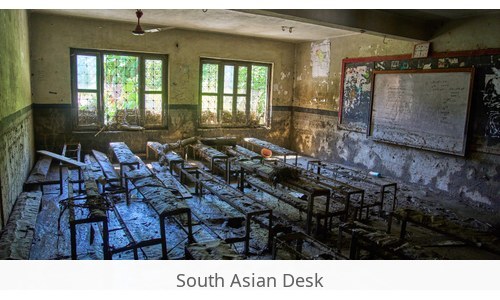
Nepal floods rescue efforts took a heroic turn on August 30, 2026, when teacher Rajendra Dawadi saved 900 students from devastating floods in Nuwakot, Nepal, as the region faces a Nepal humanitarian crisis. The Indian Express reports that Dawadi’s actions highlight the critical role of educators in disaster response, while the floods have claimed 788 lives and left 3,044 people missing, according to The Hindu and The Daily Mirror.
Nepal floods rescue: The Scale of the Nuwakot Flood Disaster
As of August 30, 2026, the death toll from the Nepal floods rescue in Nepal has reached 788, with 3,044 people reported missing, per The Hindu and The Daily Mirror. Experts warn of a potential second deluge, with flood speeds recorded at 300 km/h, as reported by NDTV. OnlineKhabar describes the floods as a “Himalayan tsunami” that has significantly impacted the region, while Al Jazeera notes that residents in Dhading fear more bodies are buried under the mud. The unprecedented scale of the disaster has overwhelmed local authorities, with rescue teams struggling to reach isolated communities cut off by rapidly rising waters.
The floods have also triggered landslides in mountainous regions, compounding the challenges for relief efforts. According to the context provided, the disaster has exposed vulnerabilities in Nepal’s infrastructure and emergency response systems, raising urgent questions about the country’s preparedness for future climate-related events.
Rajendra Dawadi’s Heroic Actions and Community Leadership in Crisis
Rajendra Dawadi, a teacher in Nuwakot, orchestrated the rescue of 900 students amid the chaos, according to The Indian Express. His actions have drawn widespread community praise, underscoring the importance of community leadership in crisis.
The rescue operation, however, remains challenging, with Ariana News reporting that 734 are confirmed dead and 2,498 still missing. Dawadi’s efforts were particularly critical in a region where schools often serve as community hubs during emergencies. The background context emphasizes that his actions occurred against the backdrop of a national disaster, where the collapse of infrastructure and communication networks left many vulnerable.
The teacher’s quick thinking and coordination with local volunteers likely saved countless lives, as the floodwaters surged through the area with unprecedented force. The 300 km/h flood speeds reported by NDTV underscore the extreme danger faced by those on the ground, making Dawadi’s rescue operation even more remarkable. His heroism, described as a beacon of hope during the Nuwakot flood disaster, has become a symbol of resilience in the face of the Nepal humanitarian crisis.
Government Response and Future Preparedness
The Nepalese government has mobilized rescue teams to reach affected areas, but the scale of the disaster has exposed gaps in disaster preparedness. With floodwaters continuing to rise, officials face pressure to improve early warning systems and infrastructure resilience. Experts caution that without systemic reforms, future monsoons could trigger similar catastrophes.
The context provided highlights the need for regional cooperation in climate adaptation and disaster risk reduction, particularly given the shared geographical vulnerabilities of Nepal and its neighbors. The government’s response has included deploying military and paramilitary forces to assist in search-and-rescue operations, but the sheer magnitude of the crisis has strained resources. The disaster has also prompted calls for international aid, with neighboring countries and global organizations being urged to provide support in the form of emergency supplies, medical assistance, and technical expertise for long-term recovery.
Long-term Implications for Nepal
The floods have left infrastructure in ruins and displaced thousands, raising concerns about long-term recovery. Business Bhutan notes that the disaster serves as a warning for neighboring countries, including Bhutan, which shares similar geographical vulnerabilities. The incident underscores the urgent need for regional cooperation in climate adaptation and disaster risk reduction. The destruction of roads, bridges, and communication networks has disrupted economic activity, with agricultural losses expected to have a lasting impact on food security.
The context provided emphasizes that the disaster has highlighted the fragility of Nepal’s development progress, particularly in rural areas where disaster preparedness measures are often underfunded. As the country grapples with the immediate humanitarian crisis, policymakers are being urged to prioritize investments in resilient infrastructure, improved weather forecasting, and community-based disaster management programs. The floods also serve as a stark reminder of the increasing frequency and intensity of climate-related disasters in South Asia, a region already grappling with the effects of global warming.
Follow SouthAsianDesk on X, Instagram and Facebook for insights on business and current affairs from across South Asia.
Sources
- How one teacher saved 900 students from Nepal floods – indianexpress.com
- Nepal flash floods LIVE: Death toll reaches 788; rescuers drill through debris towards trapped tunnel workers – thehindu.com
- Let us all help the government respond better to this Himalayan tsunami – english.onlinekhabar.com
- Nepal Flash Flood Speed Was 300 Kmph, Experts Warn Of A Second Deluge – ndtv.com
- Nepal flood rescue mission enters critical phase as thousands remain missing – ariananews.af
- A Disaster Next Door, A Warning for Bhutan – businessbhutan.bt
Image: images.indianexpress.com