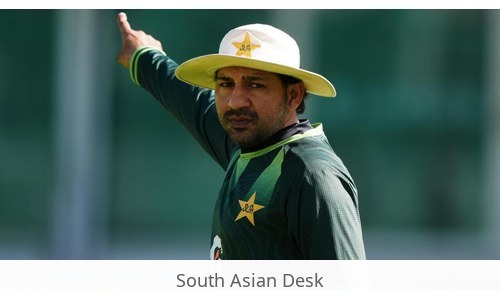
Pakistan cricket team changes have been announced by the Pakistan Cricket Board (PCB) following heavy defeats in the first two Tests against England at Leeds and Lord’s. On September 1, 2026, the PCB confirmed the head coach’s dismissal and the recall of seven players ahead of the third Test. This restructuring comes as the team seeks to address performance issues and regain momentum in the series.
Pakistan cricket team changes: Impact of Coaching Changes
The PCB cited “urgent need for improvement” as the rationale for the coaching change, with sources indicating internal reviews of tactical approaches. Historical precedents show coaching transitions often coincide with performance slumps, though outcomes vary widely. For instance, in 2019, Australia’s decision to appoint Justin Langer as coach after a poor Ashes campaign led to a resurgence in Test cricket, while South Africa’s 2021 coaching overhaul yielded mixed results. ESPNcricinfo reports that interim coach Mickey Arthur will oversee the team until a permanent replacement is appointed.
Arthur, known for his work with South Africa and his emphasis on aggressive batting, may bring a tactical shift to Pakistan’s approach, particularly in response to England’s dominant performances in the first two Tests. These coaching changes in cricket are part of a broader strategy to adapt to the challenges posed by England’s pace attack.
New Additions to the Squad
Five uncapped players have been added to the squad, including Saim Ayub and Abdullah Fazal. Ayub, a 24-year-old left-arm spinner, has impressed in domestic T20 leagues, particularly in the Pakistan Super League, where his ability to take wickets in high-pressure situations has drawn comparisons to former spinners like Saeed Ajmal.
His inclusion signals a potential shift toward leveraging T20 success in longer formats, a strategy that has been debated within cricketing circles. Fazal, a 29-year-old batsman, brings experience from county cricket, having played for Nottinghamshire and Essex in England. His inclusion may address concerns about Pakistan’s middle-order stability, a recurring issue in recent Test campaigns. These uncapped players Pakistan have been brought in to provide depth and versatility to the squad.
Future of Pakistan Cricket
The restructuring comes amid broader strategic reviews of Pakistan’s cricketing approach. With the team facing challenges in Test cricket, the PCB has initiated talks with potential foreign coaches. Analysts suggest the changes may signal a shift toward more aggressive batting strategies and improved fielding standards. This aligns with a global trend in Test cricket, where teams are increasingly prioritizing aggressive scoring and dynamic fielding to counter the dominance of pace bowling.
The PCB’s decision to consider foreign coaches reflects a growing openness to international expertise, a move that has been seen in other South Asian cricketing nations. For example, India’s appointment of Ravi Shastri in 2017 brought a blend of international experience and local knowledge, contributing to a period of sustained success. However, the effectiveness of such appointments often depends on the alignment of coaching philosophies with the team’s cultural and tactical needs. Pakistan cricket team changes are expected to have a lasting impact on the team’s performance in the upcoming matches and beyond.
Broader Implications of the Restructuring
The PCB’s decision to overhaul the coaching staff and squad composition underscores the urgency of the situation. With the 3rd Test England looming, the team needs a swift turnaround to avoid a series loss. The inclusion of uncapped players like Saim Ayub and Abdullah Fazal highlights the PCB’s willingness to take calculated risks, even if it means testing unproven talent under pressure.
This approach, while potentially risky, could yield dividends if the young players adapt quickly to the demands of Test cricket. Meanwhile, the coaching changes in cricket have sparked discussions about the balance between stability and innovation in team management. Some experts argue that frequent coaching changes can disrupt team cohesion, while others believe they are necessary to inject fresh perspectives during crises.
Conclusion
As Pakistan prepares for the 3rd Test in England, the recent restructuring of the team represents a pivotal moment in its cricketing journey. The PCB’s bold moves, including the dismissal of the head coach and the inclusion of uncapped players, signal a commitment to addressing the team’s shortcomings. Whether these Pakistan cricket team changes will translate into improved performance remains to be seen, but the decision reflects the board’s determination to adapt and evolve in the face of adversity.
Follow SouthAsianDesk on X, Instagram and Facebook for insights on business and current affairs from across South Asia.
Sources
- Pakistan sacks head coach, sends 7 players home, ahead of 3rd Test in England – thehindu.com
- Pakistan send seven players home and bring in Hesson to coach Test side – cricinfo.com
Image: th-i.thgim.com