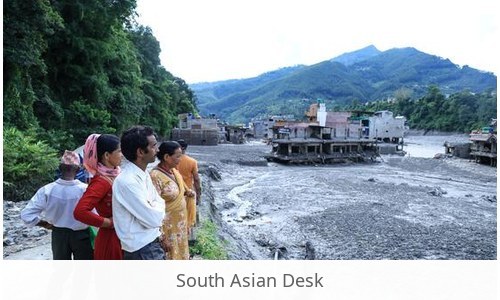
Rasuwa flood death toll has reached 987, with 3,916 individuals still unaccounted for following the catastrophic deluge in Bhotekoshi, Nepal. The floods, which began in late August 2026, have affected both Nepal and China, with combined fatalities surpassing 950 and over 4,400 people reported missing across the region. Rescue operations continue, with international aid Nepal and neighboring countries providing critical support. The situation underscores the urgent need for humanitarian assistance Rasuwa as the Rasuwa disaster response faces mounting challenges.
Rasuwa flood death toll: Disaster Response Efforts
Nepal’s National Disaster Risk Reduction and Management Authority has coordinated search and rescue operations, deploying emergency teams to affected areas. The agency reported that 11,000 individuals have been rescued so far, though challenges remain in reaching remote villages cut off by landslides and damaged infrastructure. Local authorities have established temporary shelters for displaced families, while medical teams treat injuries and provide essential supplies. The terrain, characterized by steep mountainous regions and narrow valleys, has complicated access to affected zones, requiring specialized equipment and training for rescue personnel.
The Rasuwa disaster response has been bolstered by international aid Nepal, with Indian and Chinese tunnel rescue experts deployed to assist in search operations. The United Nations has also mobilized resources, with UN News reporting that confirmed deaths in Nepal had surged to 903 as of August 31, 2026. The UN has called for increased humanitarian aid to address the growing needs of affected communities, emphasizing the importance of cross-border coordination in disaster management.
International Aid Response
Rescue teams from India and China have been instrumental in the efforts, utilizing advanced technology to navigate the treacherous terrain. Indian teams have focused on areas near the Kali Gandaki River, where landslides have blocked access to several villages. Chinese experts have collaborated with Nepalese authorities to conduct targeted searches in the Bhotekoshi region, where the majority of the missing are believed to be. The collaboration between these countries highlights the regional interdependence in addressing natural disasters, with shared borders and environmental vulnerabilities necessitating joint strategies.
The United Nations has emphasized the need for sustained international support, highlighting the scale of the disaster and the challenges faced by local responders. Humanitarian organizations have begun distributing food, water, and medical supplies to affected areas, though logistical hurdles persist due to damaged roads and limited access to remote regions. The coordination of aid has been further complicated by the need to prioritize the most vulnerable populations, including children, the elderly, and those with pre-existing health conditions.
Long-term Implications
The floods in Rasuwa underscore the urgent need for improved disaster preparedness and infrastructure resilience in climate change South Asia. Climate change is increasingly linked to the frequency and intensity of extreme weather events, raising concerns about the region’s vulnerability to future disasters. Nepal’s government has acknowledged the need for enhanced early warning systems and flood mitigation strategies to protect communities in high-risk areas. The recent floods have also prompted discussions about regional cooperation in disaster management, with neighboring countries, including India and China, expressing willingness to share resources and expertise to strengthen Nepal’s capacity to respond to such crises.
Long-term investments in infrastructure, such as improved drainage systems and flood barriers, are being considered as part of recovery efforts. These measures aim to reduce the impact of future flooding events and ensure that communities are better equipped to handle similar disasters. Additionally, the disaster has highlighted the importance of community-based disaster risk reduction programs, which involve local populations in planning and response activities to build resilience at the grassroots level.
The context of the floods in Rasuwa must be viewed within the broader pattern of severe weather events impacting climate change South Asia. The region has experienced an increase in extreme weather phenomena, including heavy monsoons, cyclones, and flash floods, which are attributed to climate change. This trend necessitates a reevaluation of existing disaster management frameworks and the development of more comprehensive strategies that account for the evolving climate risks.
Follow SouthAsianDesk on X, Instagram and Facebook for insights on business and current affairs from across South Asia.
This report focuses on Rasuwa flood death toll and the verified developments surrounding it.
Sources
- Nepal flash floods aftermath LIVE: Over 11,000 rescued as government intensifies search operations – thehindu.com
- Rasuwa flood: Death toll reaches 987, 3,916 still unaccounted for – english.onlinekhabar.com
- Nepal Flash Floods News LIVE Updates: Death Count Crosses 950, Over 4,000 Missing – ndtv.com
- Nepal flooding deaths surpass 900 as needs climb – news.un.org
- Nepal flood rescue mission enters critical phase as thousands remain missing – ariananews.af
- ‘Nothing is usable’: Nepal residents return to flood-ravaged homes – aljazeera.com
Image: global.unitednations.entermediadb.net