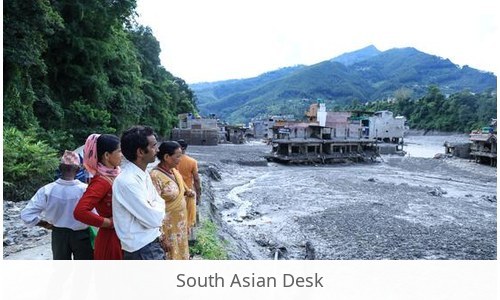
The Bhotekoshi flood has triggered a severe humanitarian crisis in Nepal, with 894 people still unaccounted for across 11 hydropower projects as of September 1, 2026, according to the Independent Power Producers’ Association, Nepal (IPPAN). Rescue operations continue as water levels rise and alerts remain in effect, highlighting the urgent need for improved disaster response Nepal.
Bhotekoshi flood: Humanitarian Impact
The Bhotekoshi flood has left nearly 4,000 people missing, including 583 foreigners, according to NDTV. The UN News reported that the confirmed death toll has surged to 903, with over 4,200 still missing. Ariana News noted 734 deaths and 2,498 missing as of August 30. The crisis has severely impacted infrastructure and communities, with hydropower projects at the epicenter. Nepal’s hydropower projects, a cornerstone of its energy strategy, have long been a double-edged sword: while these projects supply critical electricity to the region, their construction in ecologically sensitive areas has raised concerns about disaster preparedness.
The Bhotekoshi River, which flows through the Rasuwa District in the Himalayas, is a key water source for several hydropower plants, many of which were built in proximity to steep slopes and glacial melt zones. This geographical vulnerability has been exacerbated by climate change, which has increased the frequency and intensity of extreme weather events in the region. The scale of the current crisis underscores the need for a reassessment of how such infrastructure is planned and maintained in the face of rising environmental risks.
Disaster Response Mechanisms
Rescue efforts face challenges from rising water levels and logistical constraints. Local and international agencies are coordinating relief, though coordination gaps persist. The IPPAN highlighted the vulnerability of hydropower infrastructure to extreme weather events, urging improved disaster preparedness. The situation has tested Nepal’s emergency response systems, which have historically struggled with resource allocation and inter-agency collaboration.
While the government has deployed rescue teams and helicopters to affected areas, the remote locations of many hydropower projects have hindered access. International aid organizations, including the United Nations and non-governmental groups, have joined local efforts, but the sheer scale of the disaster has overwhelmed existing capacities.
The IPPAN’s call for enhanced preparedness comes amid growing awareness of the risks posed by climate change to infrastructure in the Himalayan region. Previous floods in 2017 and 2020 had already exposed weaknesses in Nepal’s disaster management frameworks, prompting calls for investment in early warning systems and community-based evacuation protocols. However, the current crisis has highlighted the urgent need for more robust measures, particularly in regions where hydropower projects are concentrated.
Long-term Implications
The Bhotekoshi flood may reshape Nepal’s energy policy, prompting reviews of hydropower project safety standards. Regional energy security could face strain if critical infrastructure remains compromised. The incident underscores the need for resilient infrastructure and cross-border disaster response frameworks.
The Bhotekoshi flood has not only disrupted Nepal’s energy production but also raised questions about the sustainability of its reliance on hydropower. With climate change projected to increase the frequency of such events, policymakers are likely to reevaluate the balance between energy development and environmental protection. This could lead to stricter regulations on project siting, enhanced engineering standards, and greater investment in climate-resilient infrastructure.
Additionally, the disaster may catalyze regional cooperation, as neighboring countries such as India and Bhutan share similar vulnerabilities to glacial lake outburst floods (GLOFs) and monsoon-related disasters. Strengthening cross-border disaster response mechanisms, including shared early warning systems and joint emergency planning, could become a priority for South Asian nations. The incident also highlights the importance of international support in building capacity for disaster risk reduction, particularly in developing economies where infrastructure development often outpaces regulatory oversight.
Follow SouthAsianDesk on X, Instagram and Facebook for insights on business and current affairs from across South Asia.
The wider context of this developing story also includes Nepal hydropower projects.
Sources
- Nepal flash floods aftermath LIVE: Fresh flood alerts issued as water levels rise across several districts – thehindu.com
- 894 people still missing from 11 hydropower projects after Bhotekoshi flood – english.onlinekhabar.com
- Nepal Flash Floods News Updates: Over 1,000 Dead In Nepal Floods, Nearly 4,000 Missing – ndtv.com
- Nepal flooding deaths surpass 900 as needs climb – news.un.org
- Nepal flood rescue mission enters critical phase as thousands remain missing – ariananews.af
Image: global.unitednations.entermediadb.net