Pakistan’s automotive sector is undergoing a significant shift with the introduction of the New Energy Vehicle (NEV) Policy 2025–30, aimed at promoting cleaner transportation and reducing reliance on fossil fuels. However, a key challenge remains: the affordability of hybrid electric vehicles (HEVs) for the average consumer. Industry leaders are urging a focus on making these vehicles accessible to a broader market to ensure the policy’s benefits reach beyond a niche segment.
Currently, HEVs in Pakistan are priced at a premium, with five-seater models ranging from Rs9.6 million to Rs12 million, and larger seven-seater SUVs reaching up to Rs16 million. This pricing positions hybrids as a luxury, limiting their appeal to most buyers. Experts argue that for hybrid vehicles to gain traction, their cost should align more closely with traditional petrol vehicles, ideally within a 10% price difference, as seen in global markets.
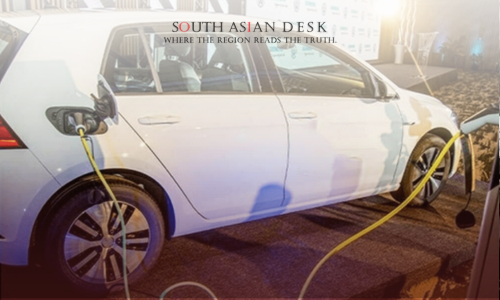
Plug-in Hybrid Electric Vehicles (PHEVs) are being highlighted as a practical solution for Pakistan’s urban commuters. Unlike standard hybrids, PHEVs offer a meaningful electric-only range, reducing fuel costs and emissions in city driving. For instance, models like the MG HS PHEV, priced under Rs10 million, are gaining attention for balancing advanced technology with better fuel economy. Approximately 2,000 PHEVs have been sold by MG Motors in Pakistan, indicating growing consumer interest in cost-effective, eco-friendly options.
However, high costs aren’t the only barrier. The lack of widespread charging infrastructure, especially along highways, continues to hinder EV and PHEV adoption. Industry stakeholders are calling for simplified financing options and tax incentives that directly benefit consumers, not just manufacturers. Recent posts on X reflect similar sentiments, emphasizing that while the NEV Policy is a step forward, its success depends on making hybrids and EVs affordable for the masses.
The government’s commitment to a 30% EV adoption rate by 2030 is ambitious, but without addressing these affordability and infrastructure challenges, the transition risks remaining out of reach for most Pakistanis. A balanced approach, combining policy support, competitive pricing, and infrastructure development, is vital to make hybrid vehicles a viable choice for sustainable mobility.
Published in SouthAsianDesk, July 13th, 2025
Follow SouthAsianDesk on X, Instagram and Facebook for insights on business and current affairs from across South Asia.