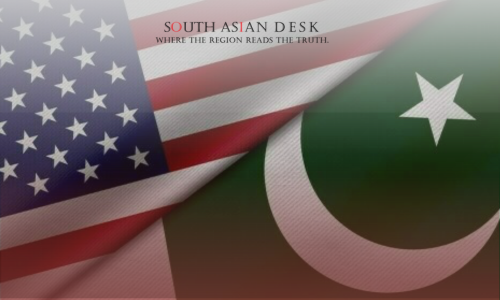
On July 15, 2025, the Tom Lantos Human Rights Commission of the US Congress held a hearing to examine allegations of political repression and human rights violations in Pakistan. The session, chaired by Congressman Christopher H. Smith, focused on issues such as restrictions on political freedoms, suppression of independent journalism, and the influence of the military on civilian governance.
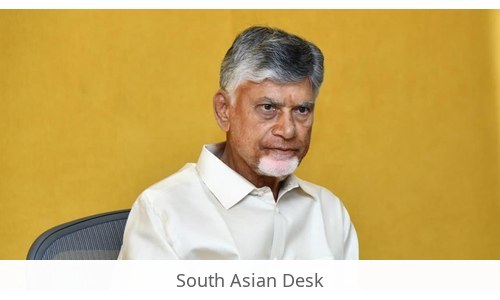
Witnesses, including Sayed Zulfikar Bukhari, a close aide to former Pakistani Prime Minister Imran Khan, testified about the curtailment of basic rights, media censorship, and the targeting of political opponents. Bukhari highlighted the challenges faced by Khan’s party, Pakistan Tehreek-e-Insaf (PTI), particularly following Khan’s ousting in 2022 and subsequent imprisonment on corruption charges. The hearing also addressed the February 2024 elections, which the US State Department noted were marked by violence and limitations on freedoms of expression and assembly.
The discussion underscored broader concerns about democratic backsliding in Pakistan. Reports from human rights organizations, shared on platforms like X, point to a pattern of enforced disappearances, extrajudicial killings, and harassment of journalists, particularly in regions like Balochistan. The recent amendments to the Prevention of Electronic Crimes Act (PECA) in January 2025 were cited as tools used to silence dissent, raising alarm among international observers.
Congressman Smith emphasized that the US should closely monitor these developments, arguing that civilian rule must not be undermined by military influence. The hearing, open to the public and streamed online, aimed to shed light on these issues and explore recommendations for supporting democracy and human rights in Pakistan.
Published in SouthAsianDesk, July 16th, 2025
Follow SouthAsianDesk on X, Instagram and Facebook for insights on business and current affairs from across South Asia.