The United Nations has issued an urgent call for regional dialogue to manage the escalating crisis of Afghan returnees, as over 1.3 million Afghans have returned to their homeland in 2025, many involuntarily. Roza Otunbayeva, the UN Special Representative for Afghanistan, emphasized the need for coordinated talks with Pakistan, Iran, and Central Asian nations to ensure repatriations are voluntary, safe, and dignified. The mass returns are straining Afghanistan’s fragile economy, where 70% of the population lives in poverty, exacerbating humanitarian challenges.
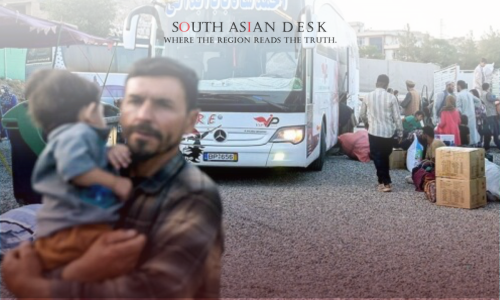
Otunbayeva, after visiting the Islam Qala border crossing with Iran, described the situation as overwhelming, with families facing trauma and uncertainty upon return. Between July 1 and July 5 alone, approximately 167,000 Afghans returned from Iran, with over 60% being families, a shift from earlier patterns of mostly single males. Posts on X reflect growing concern, with users highlighting the dire conditions returnees face, including limited access to food, shelter, and healthcare. The UN warns that without immediate reintegration support, such as livelihood programs and infrastructure investments, the influx risks destabilizing communities, increasing unemployment, and fueling regional tensions.
The Bayat Foundation has stepped up efforts at border crossings like Islam Qala and the Silk Bridge, providing food, medical services, and transportation to ease overcrowding in temporary shelters. However, humanitarian operations remain underfunded, with the UN’s 2025 response plan only 22% funded as of mid-July. Otunbayeva stressed that Afghanistan cannot absorb this shock alone, urging global donors and regional governments to prioritize aid and cooperation to prevent further instability.
Published in SouthAsianDesk, July 17th, 2025
Follow SouthAsianDesk on X, Instagram and Facebook for insights on business and current affairs from across South Asia.