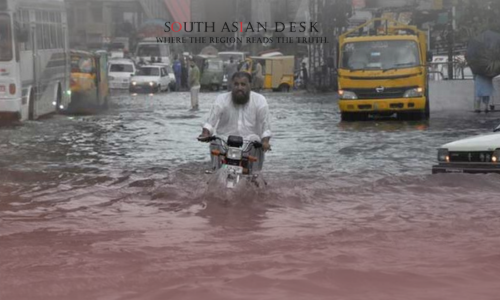
Heavy monsoon rains continue to batter Pakistan, with the death toll reaching 258 as of July 24, 2025, according to the National Disaster Management Authority (NDMA). In just the past 24 hours, six more deaths were reported—three in Khyber Pakhtunkhwa, two in Islamabad, and one in Sindh—alongside five injuries.
Since the start of the monsoon season in late June, 616 people have been injured nationwide, including 243 men, 170 women, and 203 children. Of the total fatalities, 123 were children, highlighting the devastating impact on vulnerable populations.
Punjab remains the most affected province with 139 deaths, followed by Khyber Pakhtunkhwa (60) and Sindh (24). Other areas such as Balochistan (16), Islamabad (6), Gilgit-Baltistan (5), and Azad Jammu and Kashmir (2) have also suffered losses.
The primary causes of death include:
- House collapses (143)
- Flash floods (41)
- Drowning (36)
- Lightning strikes (13)
- Electrocution (12)
- Landslides (4)
One particularly tragic incident occurred at Babusar Top, where a cloudburst triggered a flash flood. Among the victims was a doctor who died trying to rescue a child.
Beyond human casualties, the monsoon has destroyed 1,027 homes and resulted in the deaths of 364 livestock. Urban centers like Lahore and Rawalpindi have been hit hard by flooding, with videos circulating on X (formerly Twitter) showing vehicles being swept away by powerful currents.
In response, the NDMA has carried out 148 rescue operations, saving 1,777 people—1,543 of them in Punjab alone.
Meteorological forecasts warn of continued heavy rainfall through July 26, raising fears of further flooding and potential glacial lake outburst floods, especially in northern regions like Gilgit-Baltistan.
Authorities are urging residents to:
- Avoid flood-prone areas
- Follow official safety advisories
- Prepare for emergency evacuations if needed
With climate change intensifying seasonal weather extremes, Pakistan’s ongoing monsoon emergency serves as a stark reminder of the urgent need for both resilience planning and long-term environmental action.
Published in SouthAsianDesk, July 24th, 2025
Follow SouthAsianDesk on X, Instagram and Facebook for insights on business and current affairs from across South Asia.