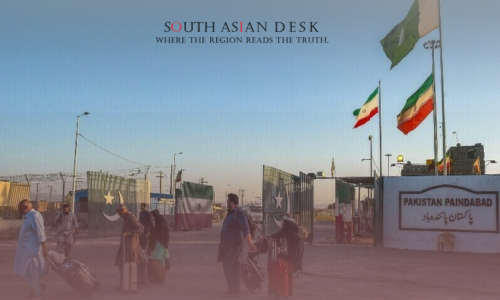
Pakistan has officially banned road travel for pilgrims journeying to Iran and Iraq for the Arbaeen pilgrimage in 2025. Interior Minister Mohsin Naqvi made the announcement on July 27, following consultations with the Ministry of Foreign Affairs, the Balochistan government, and national security agencies.
Details of Ban for Arbaeen Pilgrimage
The decision comes amid rising militant threats in Balochistan and broader concerns about regional security. The annual Arbaeen pilgrimage, which marks the 40th day of mourning for Imam Hussain (RA) after the Battle of Karbala, draws nearly 700,000 Pakistani pilgrims every year—most of them heading to Karbala in Iraq, one of the holiest sites for Shia Muslims.
Though road travel is no longer permitted due to heightened risk—particularly in Balochistan—pilgrims are still allowed to travel by air. In response to the ban, Prime Minister Shehbaz Sharif has ordered increased flight options, including 107 special flights to Iraq and a rise in weekly flights to Iran, from 6 to 15, to support pilgrims during the season.
This decision follows a tragic bus accident in Iran in August 2024, which killed 28 Pakistani pilgrims. That incident underscored the dangers of overland travel and accelerated efforts to enhance safety protocols.
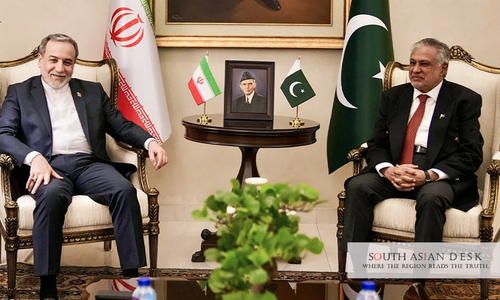
Starting January 1, 2026, the Pakistani government will roll out a new policy requiring pilgrims to travel only via registered Zaireen Group Organisers (ZGOs). This move will replace the current Salar system and aims to prevent overstays, smuggling, and unauthorized travel. The policy aligns with a trilateral agreement reached in Tehran on July 14, 2025, between Pakistan, Iran, and Iraq to streamline pilgrimage management and increase cooperation.
As part of the agreement, Iran has pledged to provide accommodation for 5,000 Pakistani pilgrims in Mashhad, easing the logistical burden during the high-demand pilgrimage season.
What’s Next
The travel ban is seen as a protective step by the government to avoid further tragedies and ensure the safety of pilgrims, particularly amid the resurgence of terror incidents in Balochistan, which have spiked since 2021.
Published in SouthAsianDesk, July 27th, 2025
Follow SouthAsianDesk on X, Instagram, and Facebook for insights on business and current affairs from across South Asia.