What happens when you are exiled into the “dream” you never wanted? Today, people spend years chasing a path to America, but for one cornered Indian patriot, a forced flight to the West was his only hope for survival. Fleeing imperial gallows and abandoned by his closest allies, he landed in America not to seek fortune, but to escape a state dragnet. Yet, in this accidental sanctuary, he would rise to unknowingly “make it big” as his country’s unofficial global ambassador.
Today, the pursuit of the “American Dream” is defined by stringent migration regulations, massive crackdowns by the authorities, and long, anxious waiting periods for visas. Yet, the complex relationship between South Asia and America spans over three centuries, tracing back to the 17th century when South Asians were first brought to colonial America as sailors, indentured servants and slaves.
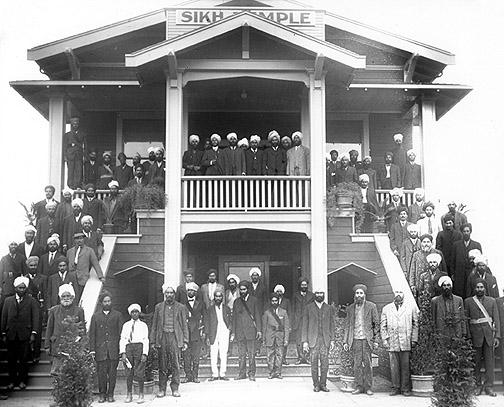
Over the subsequent decades, pioneering immigrants began to carve out a presence: from a young Madras man arriving in Massachusetts in 1790, to six Indians marching in the Salem Fourth of July parade under the “East India Marine Society” banner in 1851, and finally to the early Punjabi farmers who settled on the Pacific Coast at the turn of the twentieth century, battling brutal racism, harsh conditions, and discriminatory laws to sow the seeds of a thriving diaspora.
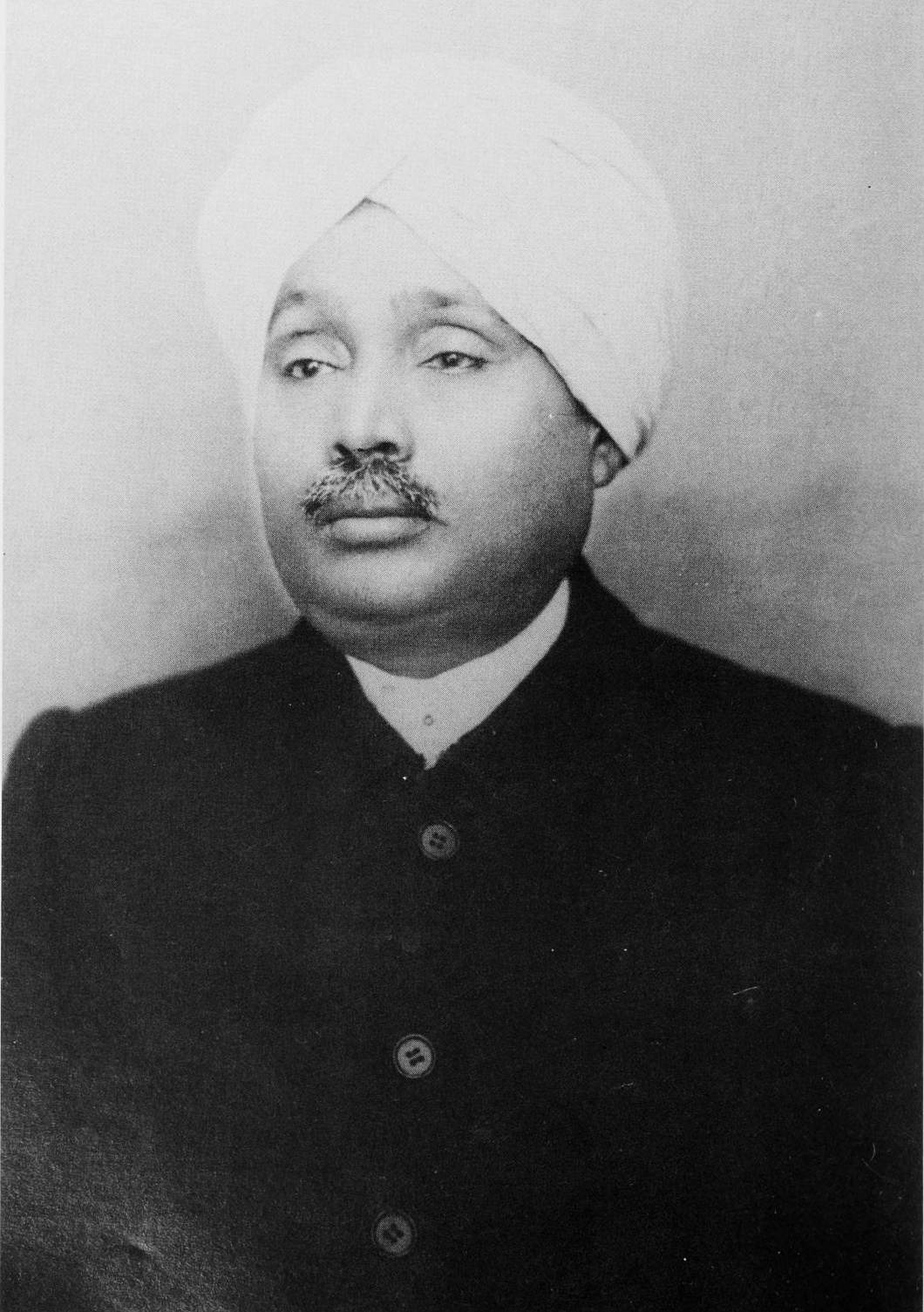
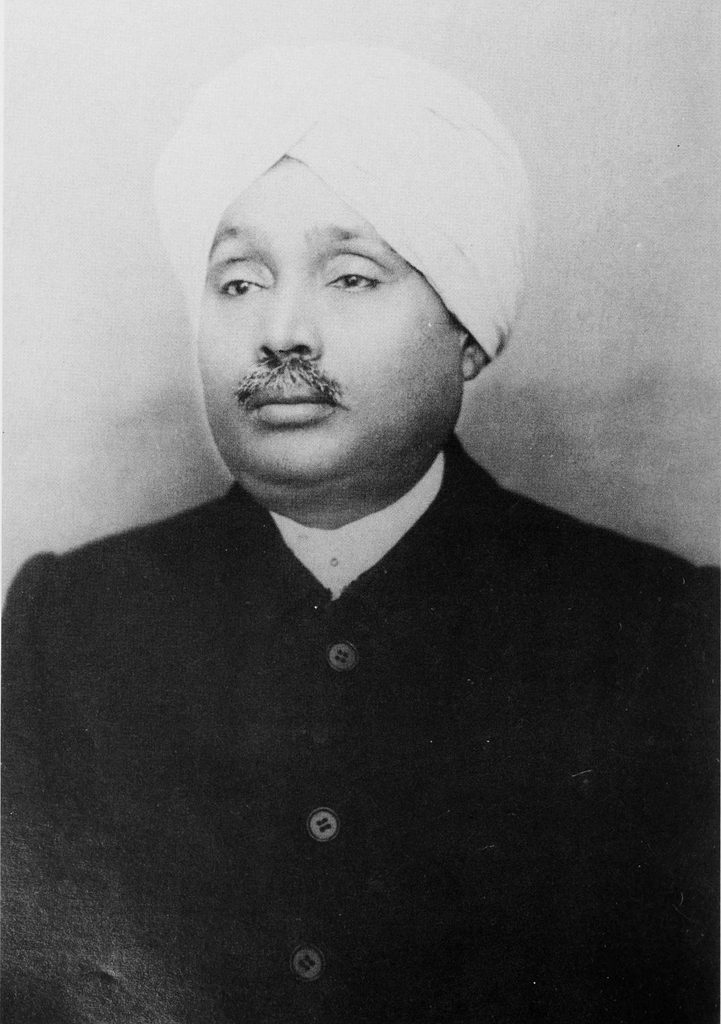
Amidst these waves of economic migration stands the deeply dramatic, largely forgotten tale of Lala Lajpat Rai—the celebrated Indian freedom fighter, “Punjab Kesari” (the Lion of Punjab), or ‘Lalaji’ (as he was fondly addressed), and social reformer. For Rai, the journey to the United States was never an aspiration of personal wealth or voluntary settlement. Instead, it was a “forced” exile, an unintentional destiny dictated by the fires of geopolitics, internal party splits, and British imperial hostility.
The Premise
At the dawn of the twentieth century, the Indian struggle for Swaraj (self-rule) grew increasingly intense, with Bengal and Punjab serving as hotbeds of pro-independence activism. Alongside Bal Gangadhar Tilak and Bipin Chandra Pal, Lala Lajpat Rai formed the legendary “Lal-Bal-Pal” extremist trio, advocating for a defiant, self-reliant stance against the British Raj. Beyond politics, Rai was a towering intellectual who co-founded the Dayanand Anglo-Vedic (DAV) School in Lahore, served the Punjab National Bank in its infancy, and edited nationalist journals.
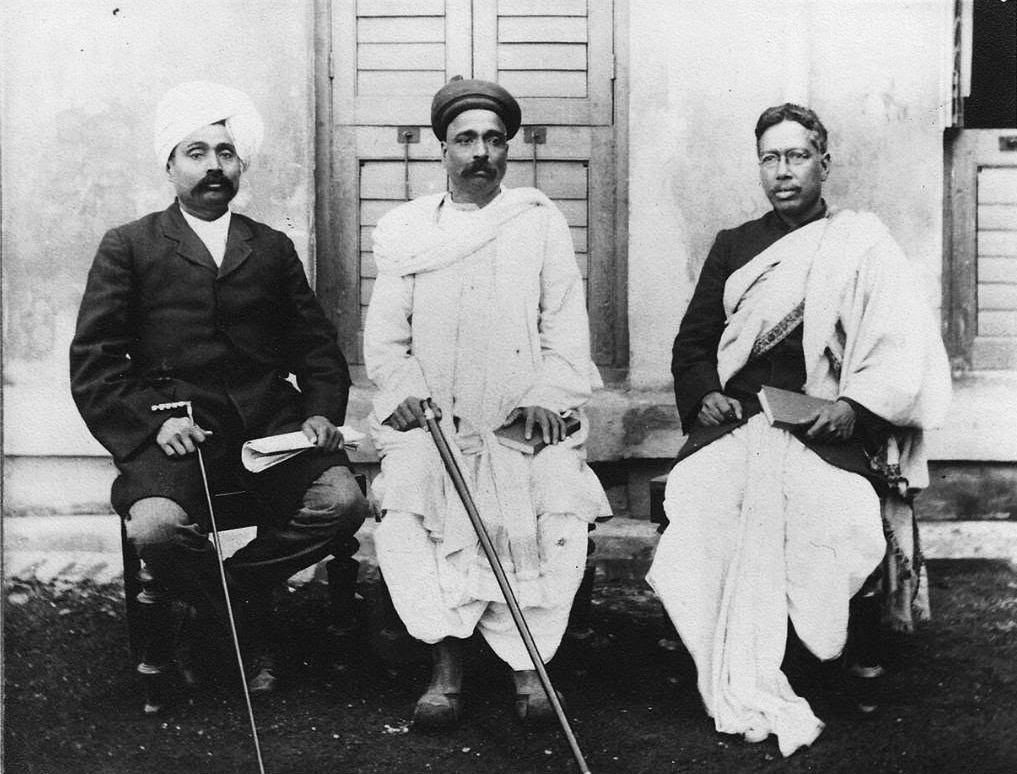
However, by the late 1900s, British repression took a heavy toll. Tilak and Pal were imprisoned in 1908. Rai himself suffered a painful phase of isolation; his efforts to reconcile the Extremist and Moderate factions during and after the infamous 1907 Surat Split failed to yield lasting unity, despite his passionate appeals in his co-owned newspaper, The Panjabee.
A Gathering Storm of Tragedy
Rubbing salt into his political wounds, Rai’s close associate—the celebrated industrialist Lala Harkishen Lal, with whom he served on the Board of Directors in the Punjab National Bank—became a direct target of the British Government, due to his immense commercial success. Amidst this mounting state hostility, Rai’s own Arya Samaj associates began to view his extremist politics as a dangerous liability. To ‘protect’ themselves from government wrath, the organisation severed ties with both Lal and Rai. Even Lala Hansraj, with whom Rai co-owned The Panjabee, severed his connection, stripping Rai of his primary media organ.
On the family front, a devastating blow landed in February 1911. Rai’s beloved 20-year-old son, Krishna, died at home after contracting Tuberculosis while studying at Cambridge. The loss plunged Rai into a deep state of despondency and grief.
Then came the Delhi-Lahore Conspiracy of 1912—a daring revolutionary plot to assassinate the Viceroy of India, Lord Hardinge. To Rai’s horror, several of the accused were intimately known to him. Among them was Bal Mukund (brother of the Hindu Mahasabha leader Bhai Parmanand), a young social reformer who had lived with Rai, serving as his assistant in his dedicated social work and upliftment programs for the depressed classes. Another close associate was Master Amir Chand, a respected school teacher turned revolutionary.
Both Bal Mukund and Amir Chand were subsequently sentenced to death by hanging for their roles in the conspiracy. Possessing vast legal expertise, Rai was agonisingly anxious to help them, but he found his hands completely tied. He was under strict, constant police surveillance, and even suspected that his own domestic servant was a spy. Rai bitterly realised that under such conditions, “any help given [by me] was likely to prejudice the defence” and put his own freedom in immediate jeopardy.
Flight to the New World
Desperate to escape this suffocating, intolerable atmosphere, a ray of hope arrived during the 28th Annual Congress Session in Karachi in December 1913. The session adopted Resolution XVIII, resolving to send an All-India Congress delegation to England in May 1914 to represent Indian grievances regarding indentured labour, the draconian Press Act, and the reform of the India Council. Rai joined the delegation as the representative of Punjab.
While in London, Rai was offered the Presidency of the upcoming Madras Congress session. However, deeply disillusioned by the party’s lethargic functioning and unwilling to cooperate with Moderate politicians, he refused the offer. He planned to tour Europe, but the sudden outbreak of World War I in August 1914 shattered his plans.
Under Punjab’s ruthless Lieutenant Governor, Michael O’Dwyer, the British administration used wartime emergencies to ban Rai from returning to India “in the name of war”. Realising that returning meant certain arrest, and assisted by his loyal friends Shiv Prasad Gupta and Professor Benoy Kumar Sarkar, Rai boarded a steamer for New York on November 14, 1914.
Carving a Role: The Unofficial Ambassador
Arriving in New York, Rai quickly recognised America’s rapid rise as a global power. He also realised that British imperial propaganda heavily distorted the reality of Indian subjugation in the eyes of the American public, painting Indians as an uneducated “white man’s burden”. Rai believed that “the whole truth about the Indian situation should be told” to the world, positioning himself as India’s unofficial “nationalist ambassador” to win global goodwill.
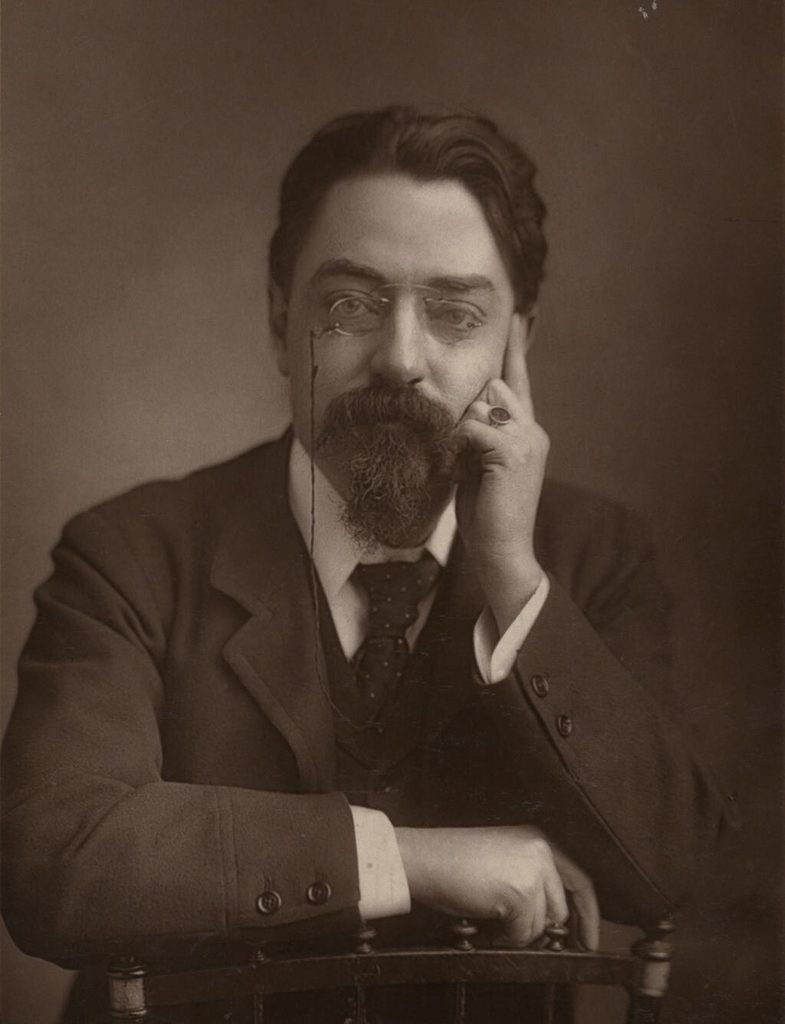
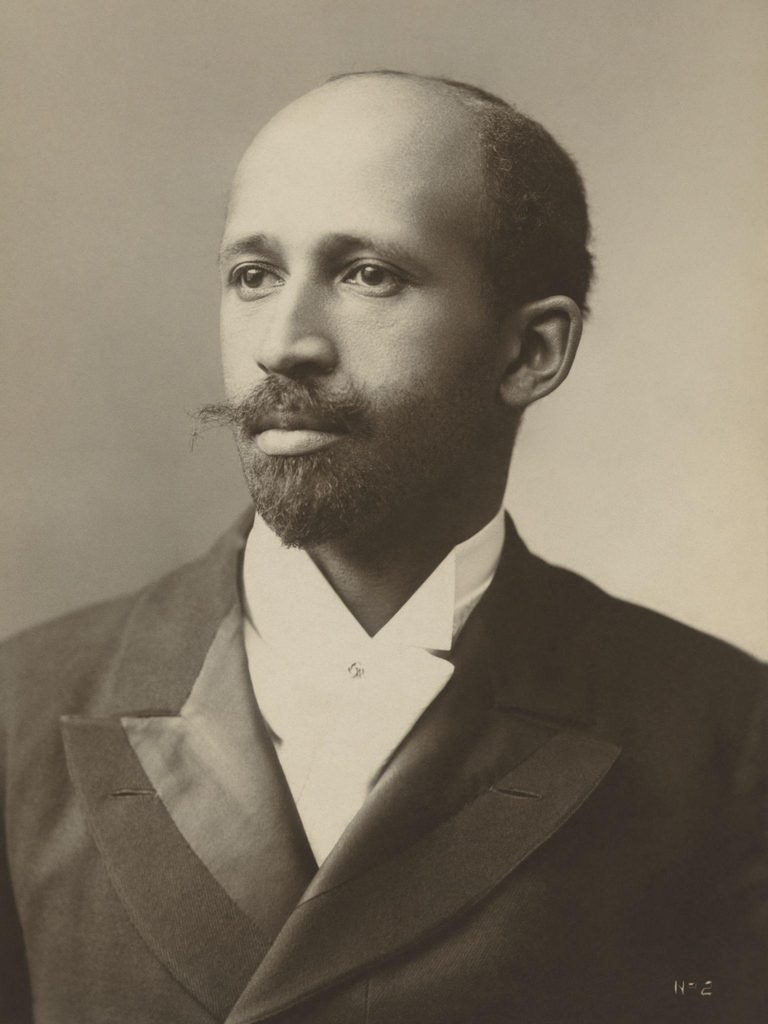
Unlike many of his contemporaries, Rai’s vision of emancipation was deeply intersectional. Guided by introductions from his English friend Sidney Webb, Rai connected with prominent American radicals, reformers, and intellectuals. He sought out African-American intellectuals, sharing ideas with figures like W.E.B. DuBois and travelling to the American South to visit African-American settlements and institutions in Atlanta and Georgia. He studied their educational models, the challenges of systemic racism, and the social status of African-American women, drawing profound parallels between global racial oppression and the caste and class inequities in India.
The Japanese Interlude
After spending seven months in the USA, a restless leader decided to travel to Japan, from where he thought of returning to India [xvi]. In July 1915, he reached Tokyo from San Francisco, where he first met Abani Mukherji, who later became the co-founder of the Communist Party of India. He was then joined by Heramba Lal Gupta and Rash Behari Bose (who was then staying in disguise under the name Raja P.N. Tagore)
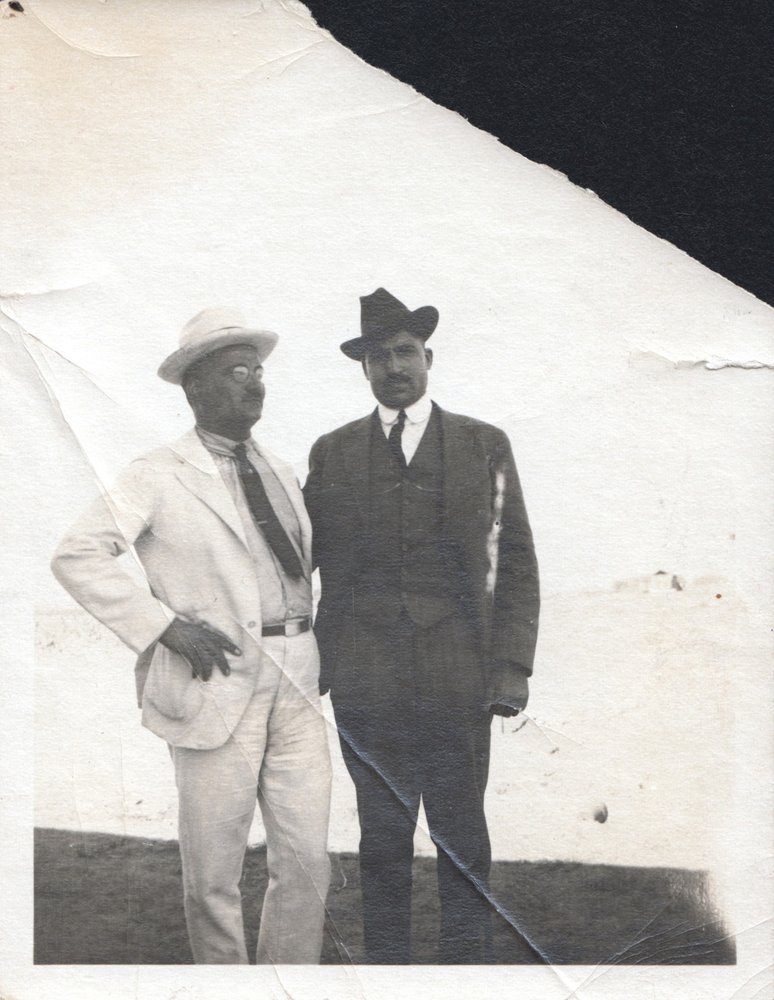
Rai joined the bandwagon of Indians who wrote anti-British articles that were published out of Tokyo and Yokohama. In between, he kept the momentum consistent by lecturing on anti-British sentiment at different institutions like Waseda and Keio universities in Tokyo, and established contacts with Chinese leaders like Sun Yat Sen, the then-Japanese Prime Minister Okuma, and some Japanese intellectuals.
However, his activities were cut short as the British shook hands with Japan for their commercial interests. As the alliance took shape, the Japanese government became stricter on the Indian diaspora and began cracking down on the pro-freedom struggle activists for their “anti-social” activities. In haste, the leader rushed back to America.
Institutional Triumph
By 1917, Rai’s efforts reached their institutional zenith. In October 1917, he established the India Home Rule League of America in New York, providing a structured, constitutional platform for pro-independence propaganda. To amplify this message, he launched Young India, a monthly journal, in January 1918, followed by the India Information Bureau in June 1918.
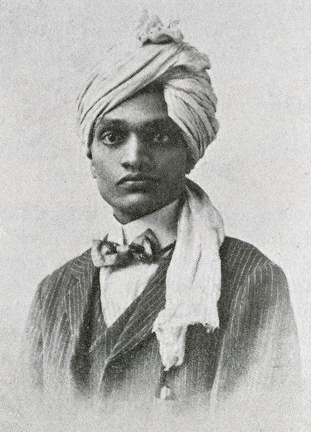
Rai brilliantly aligned the Indian demand for freedom with President Woodrow Wilson’s wartime rhetoric of national self-determination and “making the world safe for democracy”. By framing India’s struggle not as an isolated colonial dispute but as a fundamental pillar of global peace, Rai captured the sympathy of liberal American minds.
His work attracted dedicated young Indian students, most notably N.S. Hardikar, who served as the Secretary of the League. Hardikar organised discussion groups and established the Indian Workers Union of America, educating American workers on the devastating economic reality of British rule, where an average Indian worker’s annual income was a mere $9.50, of which $1.60 was consumed by taxes.
The Net Tightens
Rai’s rising influence did not escape the watchful eyes of British and American intelligence services. The West Coast of the United States was already a hotbed of radicalism, home to the Ghadar Party founded in San Francisco in 1913, which sought to overthrow British rule through armed insurrection. In cities like San Francisco and Berkeley, Rai encountered a deeply fractured diaspora. To his dismay, he found Punjabis and Bengalis “locking horns with each other,” suspecting one another of being German or British spies.
Rai faced intense pressure. Ghadar leader Ram Chandra Bhardwaj repeatedly urged Rai to join the “Hindu-German Conspiracy”—a plot backed by Imperial German funds to smuggle arms into India. But Rai firmly rejected violent methods, refusing to align India’s struggle with German militarism. This principled rejection made him a target in the eyes of Ghadar radicals, who branded him a “coward”.
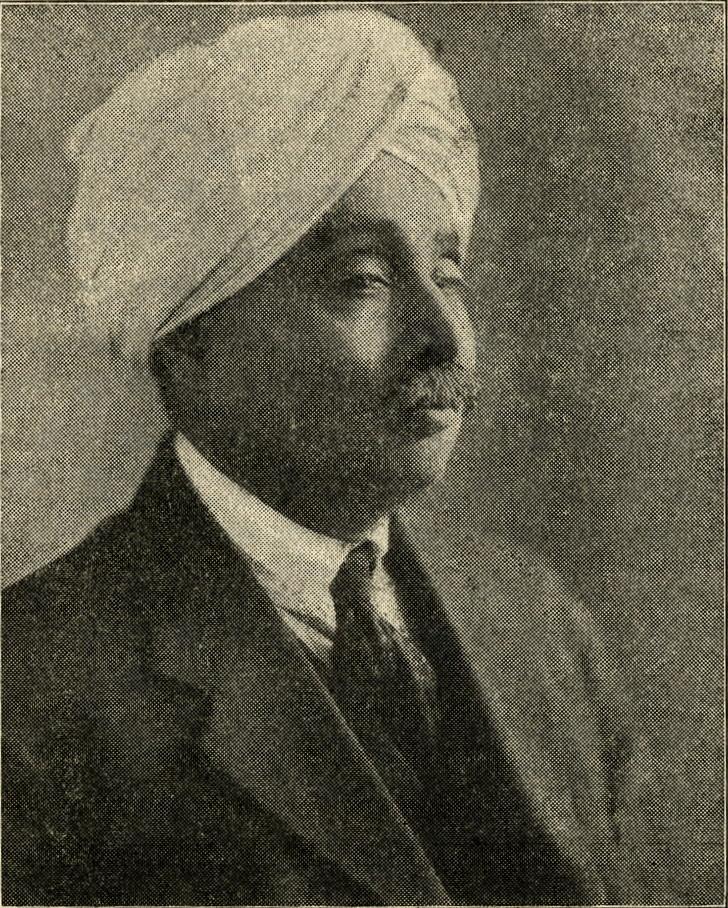
Rai’s challenges multiplied when his underlying health deteriorated, forcing him to spend seven gruelling months in a sanatorium in Santa Barbara, California. To support him during this difficult exile, Lokmanya Tilak managed to send him $5,000 through Annie Besant’s Theosophical Society network.
When the United States entered the war as an ally of Great Britain, a massive crackdown was unleashed on Indian and German revolutionaries. Rai himself was interrogated six times by American authorities, though always released for lack of evidence. The atmosphere grew even more hostile following the Russian Revolution, which triggered a “Red Menace” scare. Under the pretence of halting a “Hindu-Bolshevik clique,” authorities arrested Rai’s student and admirer, Agnes Smedley.
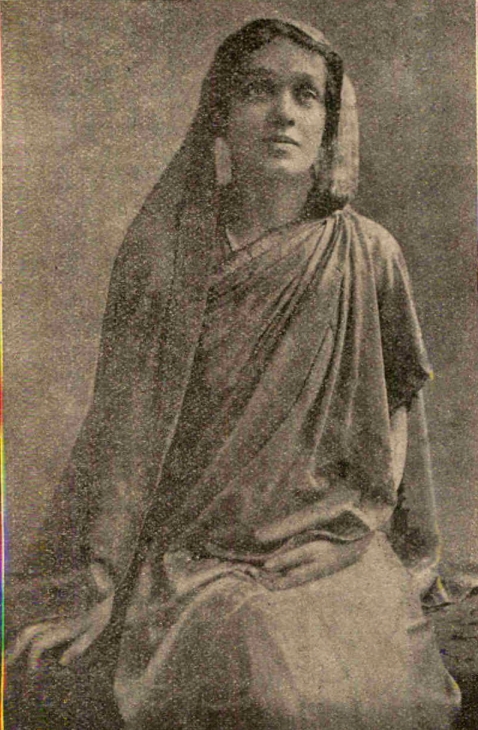
Smedley, an American journalist who had attended one of Rai’s lectures at Columbia University, was profoundly transformed by him. In her classic autobiography, Daughter of the Earth (1929), she immortalised Rai:
“He was a teacher and a wise man. A dark man with white in his hair, a man from India, ugly and severe… He introduced me to the movement for the freedom of his people and showed me that it was not only an historic movement in itself, but it was part of an international struggle for emancipation.”
The Intellectual Footprint and Senate Appeal
Despite constant surveillance, Rai’s intellectual output was immense. He authored seminal books, including England’s Debt to India, which used the British government’s own official statistics to indict their devastating economic “drain” of India’s resources.
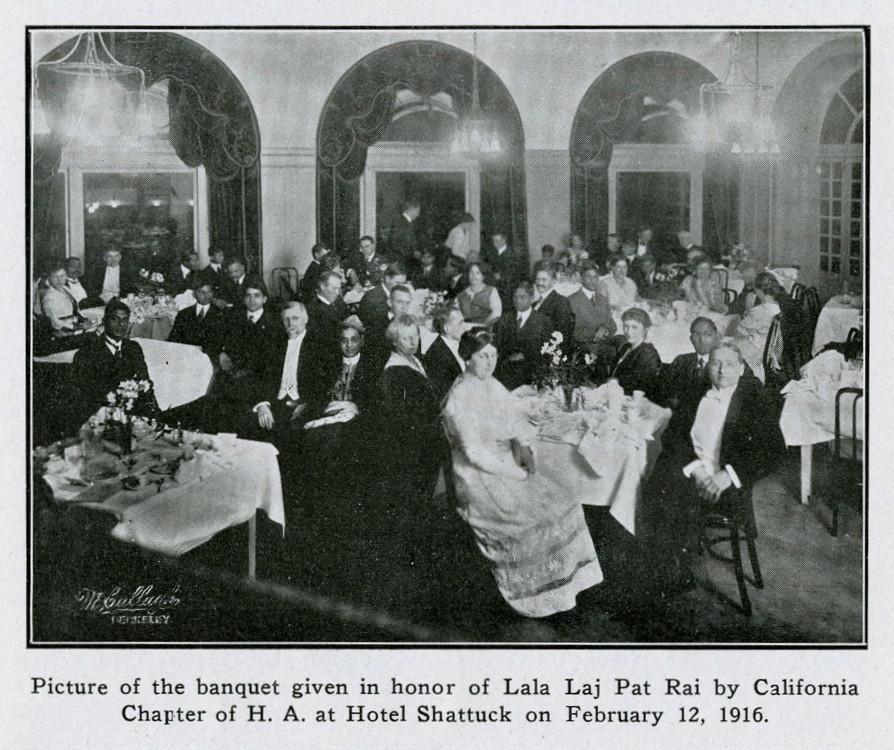
Rai cultivated deep relationships with prominent American journals and editors, including Oswald Garrison Villard of the Nation, Francis Hackett of The New Republic, and B.W. Huebsch of the Freeman. This literary network culminated in a historic, 32-page petition co-prepared with N.S. Hardikar. The petition meticulously detailed British maladministration and was formally presented to the US Senate Foreign Relations Committee, securing unprecedented American political attention for the Indian national cause.
Return of the Lion
With the conclusion of World War I, the British government finally permitted Rai to return home. On the eve of his departure in December 1919, the League of Oppressed Peoples in New York hosted him. Villard, the editor of the Nation, paid a glowing tribute to Rai, describing him as a “wise, brave and sound ambassador, a generous and modest interpreter of a great race to our American democracy, a student of human liberties, with a heart responsive to the upward aspirations of mankind of every clime.”
When Rai landed in Bombay in February 1920, he returned to an India fundamentally transformed from the one he had left in 1914. The nation was awakened, defiant, and on the cusp of Mahatma Gandhi’s Non-Cooperation Movement. Rai was promptly elected to preside over the historic Special Calcutta Session of the Indian National Congress in September 1920, where he championed national education and resistance against British tyranny. He went on to establish the National College in Lahore, which would produce legendary revolutionaries like Bhagat Singh and Sukhdev.
A Forgotten Legacy
Lala Lajpat Rai’s American exile was an extraordinary chapter of resilience, transformation, and transnational solidarity. It stands alongside the journeys of other pioneering, forgotten exiles—such as Rash Behari Bose in Japan, Sardarsinhji Ravaji Rana in France, and Pandurang Khankhoje in Mexico—whose contributions remain largely unsung in mainstream history. Rai did not merely survive his exile; he turned a forced confinement into a brilliant diplomatic victory, laying the vital groundwork for America’s ultimate support of Indian independence.
REFERENCES
1. Lajpat Rai in USA 1914 -1919: Life and Work of a Political Exile (Harish K. Puri)
2. Lajpat Rai Autobiographical Writings (edited by Vijaya Chandra Joshi, 1965)
3. The Story of My Life by Lala Lajpat Rai (edited by Dr Joginder Singh Dhanki, Gitanjali Prakashan, 1960)
4. National College and the British Raj (Shahid Siddiqui for THE NEWS Newspaper, 6 March 2017)
https://www.thenews.pk/print/190427-National-College-and-the-British-Raj
5. The Annual Session of the Congress in Karachi-1913 (Gul Hayat Institute) ’https://drpathan.com/the-annual-session-of-the-congress-in-karachi/
6. The United States of America: A Hindu’s Impressions and A Study (Rai/ 1916) edited by R. Chatterjee (Calcutta) 7. Educational Discourse In the Writings and Speeches of Lala Lajpat Rai, Raghav Kumar Jha (for International Education and Research Journal/ December 2012)
8. A historical perspective of Americans of Asian Indian origin, 1790-1997 (Srirajasekhar Bobby Koritala) https://www.infinityfoundation.com/mandala/h_es/h_es_korit_histical.htm
9. Indian Slaves in Colonial America (Francis C.Assisi/ Published on May 16, 2007) https://web.archive.org/web/20121127200048/http://www.indiacurrents.com/articles/2007/05/16/indian-slaves-in-colonial-america
10. Indian-Americans: A Photographic History by Jane Singh