A Yala National Park closure is set to take effect from next week, as authorities move to protect wildlife suffering through one of the worst dry spells the island has faced in nearly a decade. Park managers will bar tourists from the watering hole and other busy areas within the reserve for a month, giving stressed animals easier access to the little water that remains after months without meaningful rainfall.
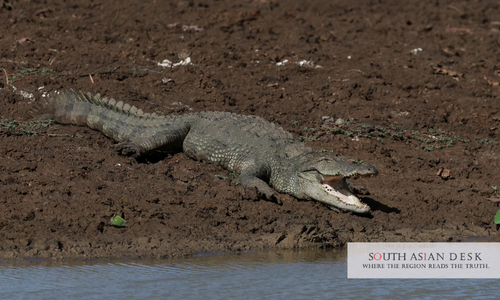
Inside the park, mugger crocodiles bask along the edge of a shrinking reservoir, waiting like everything else in Yala for the green tankers that arrive daily to pump in water. Spotted deer, wild water buffalo, tufted grey langurs and the reserve’s famed leopards all depend on these same dwindling water sources, which rangers now consider too fragile to share with visiting jeep convoys.
Why the Yala National Park Closure Was Ordered
Wildlife ranger Sujeewa Nishantha, 58, said the decision reflects a simple priority. “We have to put the animals first,” he said, explaining that animals suffering from heat stress need easy access to water and that visitors would be in the way. His daily responsibilities include tracking the water trucks that trundle down dirt tracks across the sanctuary and topping up ponds that would otherwise have run dry.
The closure of the park’s most visited areas is a rare and difficult step for authorities to take, arriving just as Sri Lanka approaches the peak of its tourism season, a period that typically brings in significant foreign currency earnings for the country. Even so, officials have judged that reducing human disturbance in the reserve’s core zones is necessary to keep the animals that draw visitors to Yala in the first place alive through the dry spell.
El Nino Threatens a Longer Dry Spell
Sri Lanka’s meteorological department has said the island is now at the start of a nine month cycle driven by the El Nino weather pattern, which is expected to bring heavier rains in November and December before a second major drought sets in from February onwards. The World Meteorological Organization warned last week that the world as a whole could be facing the strongest roll-out of El Nino ever recorded, a periodic warming of sea surface temperatures in the eastern Pacific that raises the risk of extreme weather globally.
As an island nation surrounded by the Indian Ocean, Sri Lanka is likely to feel the effects of this pattern earlier and more intensely than many other regions, according to the government, a vulnerability compounded by broader global warming. While El Nino itself is a naturally occurring climate phenomenon and not directly caused by fossil fuel emissions, its intensity can be amplified by the warmer ocean temperatures that human driven climate change has produced.
Wider Impact of the Drought Beyond Yala
The pressure on Yala’s ecosystem mirrors a much broader crisis unfolding across Sri Lanka. Authorities have ordered water management measures across large parts of the island as the drought tightens its grip, with tens of thousands of Sri Lankans already dependent on emergency drinking water supplies. Smaller family farms have also been hit hard, struggling to grow vegetables and raise cattle without reliable access to water.
Against this backdrop, the decision to restrict tourist access to one of the country’s best known wildlife reserves reflects how far the drought’s consequences extend, touching not only rural households and farmers but also a national park that ranks among Sri Lanka’s most important sources of wildlife tourism.
Balancing Wildlife Protection and Tourism Revenue
Park managers have acknowledged the difficulty of the trade-off they now face. In a statement posted on their website, they said nothing would make them happier than being able to fully reopen Yala to the jeep loads of tourists who typically flock to the reserve, but that the timing of any reopening depends largely on the weather. For now, they said, the park must be given the time that nature demands.
The coming months will test how well Sri Lanka can balance the competing pressures of preserving its wildlife tourism industry, a vital source of foreign income, against the urgent need to protect animals and rural communities alike from a drought that officials expect to deepen before conditions begin to ease.
Published in SouthAsianDesk, September 9th, 2026
Follow SouthAsianDesk on X, Instagram and Facebook for insights on business and current affairs from across South Asia.