

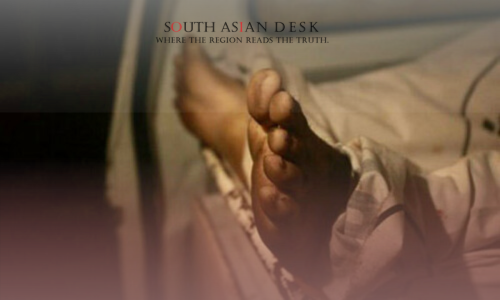
A heartbreaking case of honour killing in Karachi has left a family shattered and sparked outrage across Pakistan. On Thursday, August 1, 2025, a couple, Abdul Majeed, 40, and his wife Sakeena, 28, along with their three-year-old son Abdul Nabi, were laid to rest near Ghaghar Phatak in Karachi after facing resistance to their burial in Lasbela, Balochistan. The family was brutally murdered in their home on Wednesday, with police suspecting the killings were motivated by the couple’s free-will marriage seven years ago, which defied traditional norms.
The victims’ bodies bore multiple wounds, likely inflicted by a sharp weapon such as an axe, indicating the ferocity of the attack. Authorities transported the bodies to Lasbela, the couple’s hometown, for burial, but relatives of Sakeena opposed the interment, forcing the bodies to be returned to Karachi’s Edhi morgue at Sohrab Goth. An Edhi Foundation spokesperson confirmed the ordeal, noting the logistical and emotional toll on those involved. Eventually, the family was buried near their home in Karachi, under tight security.
Police on Honour Killing in Karachi
Police have registered a case against Sakeena’s brother, Shahzad alias Raja, based on a complaint filed by Abdul Majeed’s brother, Imam Bakhsh. Investigations are ongoing, with authorities probing the role of familial and societal pressures in the crime. This incident underscores the persistent issue of honour killings in Pakistan, where cultural norms sometimes lead to violent retribution against personal choices, particularly in matters of marriage.
Data from the Human Rights Commission of Pakistan highlights the severity of the issue, reporting 346 honour crime victims in 2024 alone, with Sindh and Punjab being particularly affected. Social media discussions on X reflect public dismay, with many calling for stricter enforcement of laws against such acts. Pakistan’s legal framework, amended in 2016 to close loopholes allowing perpetrators to evade punishment, still struggles to deter these crimes due to deep-rooted societal attitudes.
This tragedy not only highlights the loss of innocent lives but also raises questions about the need for community dialogue and education to challenge harmful traditions. The case remains under scrutiny, with hopes that justice will be served for Abdul Majeed, Sakeena, and their young son.
Published in SouthAsianDesk, August 1st, 2025
Follow SouthAsianDesk on X, Instagram, and Facebook for insights on business and current affairs from across South Asia.
