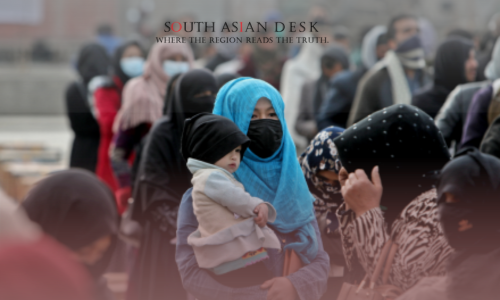
The SIGAR report paints a grim picture of the challenges faced by women and girls in Afghanistan under Taliban rule. Since the Taliban’s return to power in August 2021, systemic restrictions have severely limited their access to education, employment, and basic freedoms, reversing decades of progress.
Details of SIGAR Report
Girls above sixth grade remain barred from secondary schools, with no clear timeline for reopening, despite international pressure. Universities have also excluded women, leaving approximately 100,000 female students without access to higher education. These educational bans have contributed to a rise in early and forced marriages, with nearly 29% of girls married by age 18 and 9% by age 15, according to UN data. Economic hardship has worsened this trend, pushing families to marry off young daughters for financial survival.
Employment opportunities for women have dwindled, with decrees prohibiting them from working in NGOs and UN agencies. Restrictions on movement, such as the requirement for a male guardian (mahram) for travel beyond 75 kilometers, further isolate women. The Taliban’s enforcement of strict dress codes has led to detentions, with reports of physical violence and humiliation against those deemed non-compliant. Mental health among Afghan women is alarmingly poor, with 76% describing their condition as “very poor” or “poor,” a reflection of ongoing conflict, poverty, and social exclusion.
Humanitarian Crisis
The humanitarian crisis compounds these issues. Over 23 million Afghans, including a disproportionate number of women and girls, require urgent aid. Food insecurity affects 15.8 million people, and the collapse of the healthcare system has left only 10% of women with access to basic services. Gender-based violence has surged, with no accountable mechanisms in place to address it, according to UN reports.
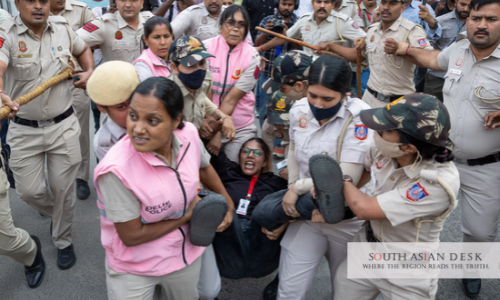
Despite these challenges, Afghan women continue to resist. Small-scale protests and secret schools demonstrate their resilience, though they face significant risks. The international community has responded with over $2.9 billion in humanitarian and development aid since 2021, focusing on health, education, and food security, but funding gaps persist.
What’s Next
The SIGAR report underscores the need for sustained global attention to protect Afghan women’s rights amid a deteriorating human rights landscape. The situation remains fluid, with ongoing debates about how best to engage with the Taliban to safeguard these hard-won gains.
Published in SouthAsianDesk, August 1st, 2025
Follow SouthAsianDesk on X, Instagram, and Facebook for insights on business and current affairs from across South Asia.