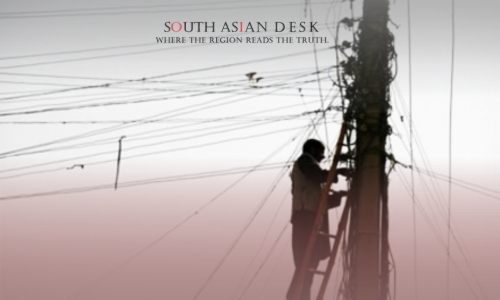
Kabul electricity shortages are worsening, with many districts receiving less than six hours of power daily. The ongoing crisis has sparked frustration among residents who are calling on authorities and Da Afghanistan Breshna Sherkat (DABS), the national power utility, to provide urgent relief—especially amid the ongoing summer heat.
Residents and Their Stance
Aqa Shirin, from District 22, said: “We get bills on time, but barely any electricity. The nights are hot and unbearable—children especially suffer from the heat and mosquitoes.”
Abdul Qadir, a resident of District 8, added: “Power is available only for a short time at night. I work all day and return to more stress because of the outages.”
Elyas from District 3 called for basic access: “We’re not asking for 24-hour electricity, but at least 12 hours would help. This is the bare minimum.”
Imranullah from District 5 highlighted the everyday challenges: “No electricity means no water or functioning appliances. It’s a basic human need. The government must act now.”
Experts on Kabul Electricity Shortages
Experts point to serious infrastructure limitations. Former DABS CEO Amanullah Ghalib explained that the Salang transmission line—a key route supplying Kabul—can only carry 300–340 megawatts, far below demand. He suggested that building a 500-kilovolt line, alongside new substations, could significantly improve capacity, but completion may take 1–2 years.
Despite repeated outreach, DABS has not released a new statement on the outages. However, the company’s CEO previously revealed that in the past year, Afghanistan signed domestic electricity production contracts totaling 600 megawatts, worth approximately $600 million. The effectiveness of these contracts, however, depends heavily on how fast new infrastructure is implemented.
On social media, residents continue to share their frustration, tagging officials and raising public pressure for faster action.
For now, most Kabulis face the daily reality of load shedding, rising temperatures, and little clarity on when relief will arrive.
Published in SouthAsianDesk, August 1st, 2025
Follow SouthAsianDesk on X, Instagram, and Facebook for insights on business and current affairs from across South Asia.