The 18th BRICS Summit will be held in New Delhi on September 12-13, 2026, with India chairing the summit for the fourth time. This event underscores New Delhi’s growing influence in global economic governance and regional diplomacy, reflecting the nation’s strategic positioning as a bridge between emerging economies and traditional powers. The 18th BRICS Summit will bring together New Delhi BRICS leaders from Brazil, Russia, India, China, and South Africa, with additional participation from observer nations.
Key Leaders Attending the 18th BRICS Summit
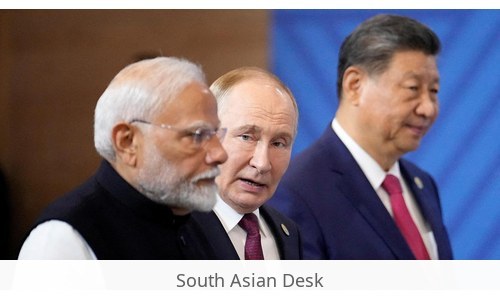
The summit will bring together heads of state from Brazil, Russia, India, China, and South Africa, with additional participation from observer nations. Russian President Vladimir Putin and Iranian President Ebrahim Raisi are expected to hold bilateral talks with Indian Prime Minister Narendra Modi, focusing on energy cooperation and economic security BRICS. According to Al Jazeera, these discussions will address shared concerns about supply chain resilience and economic security BRICS.
The inclusion of Iran, though not a formal BRICS member, highlights the grouping’s expanding outreach to non-aligned nations seeking alternative economic partnerships outside Western-dominated frameworks. This aligns with India’s broader foreign policy of balancing relationships with both the West and non-Western powers, particularly in the context of geopolitical shifts in the Middle East and Central Asia.
Focus Areas of the 18th BRICS Summit
The summit’s agenda centers on two pillars: economic security BRICS and supply chain resilience. As stated by Indian Foreign Minister S. Proposed initiatives include a BRICS-led digital trade corridor and a joint infrastructure fund to support regional connectivity projects. These measures aim to reduce dependency on Western-dominated trade networks and enhance intra-BRICS collaboration.
The digital trade corridor, for instance, could facilitate cross-border data flows and e-commerce, while the infrastructure fund may prioritize projects like transportation links and energy grids in underdeveloped regions. Such initiatives are part of a broader effort to redefine global economic architecture, emphasizing multilateralism and South-South cooperation. These regional trade initiatives are expected to strengthen economic ties between BRICS nations and neighboring regions.
Regional Implications of the 18th BRICS Summit
India’s leadership role at the summit aligns with its broader strategy to strengthen economic ties with neighboring countries. The summit’s outcomes could influence South Asian trade dynamics, particularly in energy and technology sectors. For example, discussions on energy cooperation may lead to increased collaboration on renewable energy projects or the diversification of energy imports from BRICS nations. In the technology sector, the proposed digital trade corridor could spur innovation and investment in areas like artificial intelligence and cybersecurity. However, the lack of consensus on a unified trade policy remains a challenge for the grouping.
Historically, BRICS nations have struggled to harmonize their economic policies due to divergent priorities, such as China’s focus on manufacturing versus India’s emphasis on services. India’s India chairmanship BRICS may seek to address this by promoting incremental agreements rather than sweeping reforms, ensuring all members feel their interests are represented.
Context and Broader Significance
The 18th BRICS Summit has long been a platform for emerging economies to voice concerns about global governance imbalances. With India hosting the 18th edition, the event carries added weight as a symbol of the grouping’s evolution from a forum for economic dialogue to a potential counterweight to Western-led institutions like the IMF and World Bank. The summit’s focus on supply chain resilience is particularly timely, given recent global disruptions caused by pandemics, geopolitical conflicts, and climate change.
By emphasizing self-reliance and regional integration, BRICS nations aim to insulate their economies from external shocks. This aligns with India’s “Atmanirbhar Bharat” (self-reliant India) initiative, which seeks to reduce dependence on foreign imports and boost domestic manufacturing.
Follow SouthAsianDesk on X, Instagram and Facebook for insights on business and current affairs from across South Asia.
Sources
- 18th BRICS Summit 2026: Who are the world leaders attending in New Delhi, India’s role, and more – thehindu.com
- BRICS Summit 2026 LIVE Updates: BRICS Must Boost Economic Security, Build Resilient Supply Chains: S Jaishankar At BRICS Business Forum – ndtv.com
- Putin lands in India for BRICs summit, shadowed by Iran and Ukraine wars – aljazeera.com
Image: th-i.thgim.com