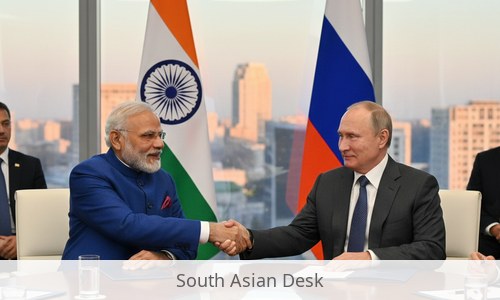
Modi Putin meeting took place on September 12, 2026, as Indian Prime Minister Narendra Modi and Russian President Vladimir Putin convened to deepen bilateral ties and advance BRICS’ role in global governance. The talks occurred amid rising tensions in the Middle East and Ukraine, with Putin emphasizing the need for BRICS to establish an independent platform for BRICS global growth free from Western influence. This alignment between India and Russia, two key BRICS members, reflects evolving India Russia relations and signals potential shifts in global power dynamics.
Modi Putin meeting: Implications for Global Geopolitics
The Modi Putin meeting underscores a strategic alignment between India and Russia, rooted in decades of cooperation in defense, energy, and trade. Putin’s call for BRICS to create a new platform for global economic and political cooperation highlights the geopolitical implications of BRICS as the bloc seeks to counter Western dominance. Analysts suggest this alignment could reshape global power structures by offering an alternative to Western-dominated institutions like the IMF and World Bank.
BRICS, comprising Brazil, Russia, India, China, and South Africa, represents over 40% of the world’s population and nearly a quarter of the global economy. A unified BRICS could challenge Western dominance through initiatives like a common currency or trade agreements outside the U.S.-led financial system. However, internal divisions over the Middle East Ukraine conflicts and differing stances on global issues may test the bloc’s cohesion. Russia’s ongoing involvement in Ukraine and its energy exports to Europe have strained relations with Western nations, complicating BRICS discussions on BRICS global growth and regional stability.
Impact of Ongoing Conflicts
The Middle East Ukraine conflicts are expected to influence BRICS discussions, as member states navigate their relationships with the West while seeking to strengthen regional cooperation. Russia’s continued involvement in Ukraine and its energy exports to Europe have strained relations with Western nations, while Middle East conflicts complicate energy security for BRICS members. These tensions may create both challenges and opportunities for BRICS unity, particularly in securing alternative trade routes and energy supplies. For instance, the Middle East’s geopolitical instability could drive BRICS nations to explore new energy partnerships, reducing their reliance on traditional suppliers. Similarly, the conflict in Ukraine has prompted a reevaluation of energy dependencies, with BRICS members potentially seeking to diversify their energy sources through regional collaboration.
Economic Prospects for BRICS
A strengthened BRICS could catalyze economic cooperation among member states. India and Russia, in particular, have deepened defense and energy ties, with India importing significant quantities of Russian oil and gas. This economic interdependence may serve as a foundation for broader BRICS initiatives, including infrastructure projects and digital trade agreements. The potential for a BRICS-led financial mechanism, such as a common currency or a new development bank, could further solidify economic ties among member states. Such initiatives would not only reduce reliance on Western financial institutions but also promote intra-BRICS trade, fostering a more integrated economic bloc.
The discussions between Modi and Putin also highlight the importance of strategic partnerships in navigating global challenges. India’s growing energy demands and Russia’s need for stable markets for its energy exports create a mutually beneficial relationship. This interdependence could be leveraged to advance BRICS’ collective interests, particularly in areas such as technology transfer, joint infrastructure development, and trade facilitation. As BRICS nations seek to enhance their economic resilience, the alignment between India and Russia could play a pivotal role in shaping the bloc’s future direction.
Follow SouthAsianDesk on X, Instagram and Facebook for insights on business and current affairs from across South Asia.
Sources
- Modi, Putin seek stronger ties as Russia calls for BRICS to counter West – dailymirror.lk
- BRICS Summit 2026 LIVE updates: BRICS leaders set to meet, as wars and U.S. tensions test the bloc – thehindu.com
- China’s Xi heads to India for BRICS summit overshadowed by wars – aljazeera.com
- The Evolution Of BRICS And Its Challenges Today – ndtv.com