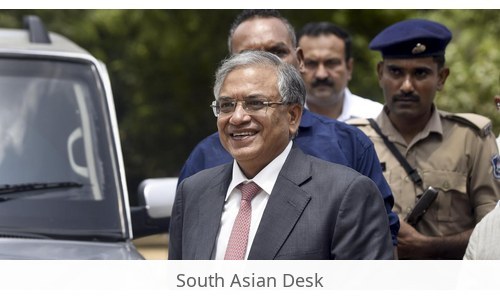
India electoral process transparency: On September 12, 2026, India’s Chief Election Commissioner Gyanesh Kumar stated that the country’s electoral process is among the most transparent in the world. This assertion underscores the rigorous verification mechanisms embedded at every stage of India’s electoral framework, from voter registration to vote counting. The declaration aligns with the broader context of electoral integrity in a nation with over 900 million eligible voters, where ensuring trust in the system is critical to maintaining democratic legitimacy.
India electoral process transparency: Verification Processes
Verification occurs at every stage of the electoral process, from electoral rolls to counting of votes. Before polling begins, Electronic Voting Machines (EVMs) and Voter Verified Paper Audit Trails (VVPATs) are checked during a mock poll in the presence of candidates’ polling agents. These measures ensure that the electoral machinery operates with minimal scope for discrepancies or malfunctions.
The use of EVMs, which have been in place since the early 2000s, has significantly reduced the risk of ballot tampering and manual errors. VVPATs, introduced more recently, provide a physical record of each vote cast, allowing for random audits to verify the electronic tallies. This dual-layer system is designed to address concerns about the reliability of electronic voting while maintaining efficiency in a country where manual counting would be logistically impossible.
This commitment to India electoral process transparency is evident in the rigorous verification processes. The mock poll process, conducted in the presence of candidates’ representatives, is a key component of this verification framework. It allows for real-time scrutiny of the machines and procedures, ensuring that all stakeholders are confident in the system’s integrity. This practice reflects a broader commitment to participatory governance, where transparency is not merely a procedural formality but a foundational principle of electoral administration.
Public Trust and Reactions
Public perception of the electoral process has been shaped by the CEC’s emphasis on transparency. While no official survey data is cited in the dossier, the statement aims to reinforce voter confidence in the system. The CEC’s remarks may also influence participation rates, particularly in regions where skepticism about electoral integrity has historically been higher. In a country as diverse as India, where regional disparities in infrastructure and literacy rates exist, ensuring that all voters feel assured of the system’s fairness is a complex challenge. The CEC’s focus on India electoral process transparency is part of a broader strategy to address these disparities and build a unified national trust in the electoral process.
The role of the Election Commission in maintaining this trust is critical. As the constitutional authority overseeing elections, the CEC’s statements carry significant weight in shaping public discourse. By highlighting the verification mechanisms, the Commission seeks to preempt allegations of fraud or irregularity, which can undermine the legitimacy of election outcomes. This proactive communication is particularly important in a political environment where electoral disputes have occasionally led to public unrest.
International Comparisons
India’s verification processes align with international standards, though direct comparisons to other democracies are not explicitly detailed in the dossier. The CEC’s declaration could enhance India’s standing in global democratic indices, particularly in regions where transparency in elections is a key criterion for evaluation. While the dossier does not provide specific rankings or benchmarks, the adoption of technologies like EVMs and VVPATs places India in a category of nations that have modernized their electoral systems to meet contemporary challenges.
India’s approach to electoral verification processes aligns with the global push for systems that balance technological innovation with democratic accountability. This hybrid model may serve as a reference point for other countries grappling with similar challenges, particularly those with large and diverse electorates. The CEC’s Gyanesh Kumar electoral statement has reinforced the importance of public trust in elections, ensuring that India democracy remains resilient in the face of evolving threats to electoral integrity.
Follow SouthAsianDesk on X, Instagram and Facebook for insights on business and current affairs from across South Asia.
Sources
- India’s electoral process among most transparent in world: CEC Gyanesh Kumar – thehindu.com
- India’s Electoral Process Among Most Transparent In World: Poll Body Chief – ndtv.com
Image: th-i.thgim.com