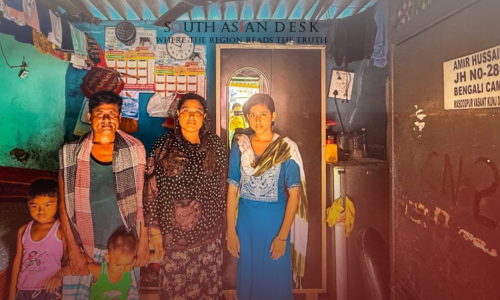
On August 8, 2025, Indian authorities conducted targeted immigration raids in Gurugram, a wealthy suburb of Delhi, detaining several suspected Bangladeshi migrants. The operations swept through both impoverished slums and upscale residential towers, focusing on undocumented workers employed as domestic helpers, drivers, and construction laborers. Police and immigration officials checked identification documents, detaining individuals unable to provide valid papers, in an effort to curb illegal migration.
Gurugram Sector and Immigration Raids
Gurugram’s economic landscape, marked by gleaming corporate offices and luxury apartments alongside crowded shanties, amplifies the raids’ impact. Migrants, primarily from Bangladesh, form a critical part of the city’s workforce, supporting its affluent residents. The raids have exposed deep social divides, with wealthier communities often relying on the labor of those now targeted. Official records show India deported over 2,000 Bangladeshi migrants in 2024, citing security concerns near its eastern border amid political instability in Bangladesh.
Human Rights Organization’s Stance on Immigration Raids
Human rights advocates have raised alarms over potential racial profiling and the disruption of livelihoods, urging more transparent and compassionate policies. Critics argue the raids disproportionately affect vulnerable workers, while supporters claim they are necessary for national security. The operations highlight the complex interplay of migration, labor, and inequality in India’s urban centers, fueling ongoing debates about enforcement and equity.
Published in SouthAsianDesk, August 9th, 2025
Follow SouthAsianDesk on X, Instagram, and Facebook for insights on business and current affairs from across South Asia.