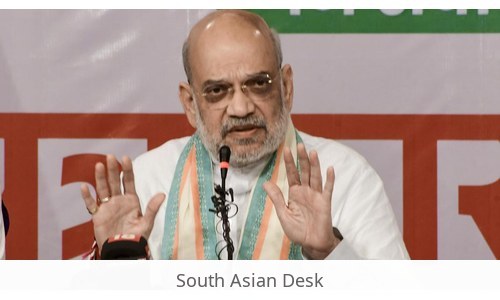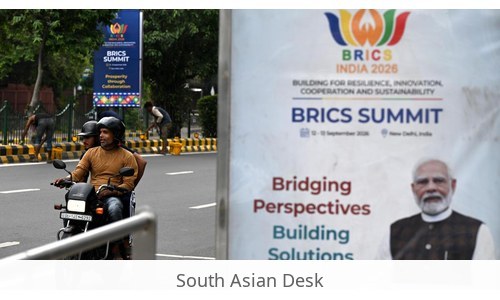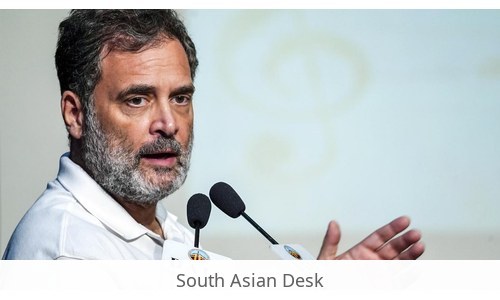
India non-vegetarian culture took center stage during the BRICS Summit in New Delhi on September 13, 2026, when Indian Congress leader Rahul Gandhi emphasized that 80% of Indians are non-vegetarian. His remarks, delivered at a high-level diplomatic gathering, underscored the richness of India non-vegetarian culture and its role in global cultural exchanges. The statement aligns with broader discussions about the non-vegetarian population in India and the cultural significance of food in shaping national identity.
India non-vegetarian culture: Cultural Significance of Non-Vegetarianism in India
India non-vegetarian culture reflects the country’s diverse regional cuisines and historical influences. From the tandoori preparations of northern India to the seafood specialties of the south, non-vegetarian dishes form a significant part of the nation’s gastronomic heritage. Gandhi’s emphasis on this aspect highlights the cultural pride associated with India non-vegetarian culture, which includes a wide range of meats, including chicken, mutton, and fish, prepared through methods ranging from slow-cooked curries to street food delicacies.
The statement aligns with broader discussions about the non-vegetarian population in India and the cultural significance of food in shaping national identity. Non-vegetarianism in India is not merely dietary but also intertwined with festivals, rituals, and communal gatherings, reinforcing its cultural significance. For instance, in regions like Punjab, dishes such as chicken tikka and mutton rogan josh are staples during festivals and family celebrations. Similarly, coastal states like Kerala and Tamil Nadu feature seafood-based dishes that reflect historical trade connections with Southeast Asia and the Middle East. These culinary practices, passed down through generations, underscore the deep-rooted connection between food and cultural continuity.
The diversity of non-vegetarian cuisine in India also reflects the country’s historical interactions with various empires and trade networks. The Mughal influence, for example, introduced rich meat-based dishes like biryani and kebabs, which remain central to Indian cuisine today. Meanwhile, colonial-era trade routes facilitated the introduction of ingredients such as tomatoes and potatoes, which later became integral to meat-based preparations. This layered history of culinary evolution highlights how the result is not a monolithic tradition but a dynamic expression of regional and historical complexity.
Impact on India’s International Image
Gandhi’s comments during the BRICS Summit may influence perceptions of India’s cultural identity on the global stage. Food culture often serves as a soft power tool in diplomatic settings, offering insights into a nation’s traditions and values. By highlighting the result, India reinforces its image as a country with a rich, multifaceted culinary heritage that extends beyond vegetarianism, which has often been the focus of international attention.
The BRICS Summit, hosted by India in New Delhi, provided a platform for showcasing the country’s cultural and economic dimensions. The inclusion of non-vegetarian dishes in official events, such as the dinner hosted by Prime Minister Narendra Modi for summit delegates on September 13, 2026, further emphasizes this cultural narrative. The menu, reportedly featuring regional specialties from across India, aimed to reflect the nation’s diversity while reinforcing its diplomatic outreach. Such gestures are increasingly common in international summits, where food is used to foster goodwill and highlight national identity.
This emphasis on non-vegetarian cuisine also aligns with India’s broader strategy to position itself as a global leader in cultural diplomacy. In recent years, Indian culinary traditions have gained international recognition through initiatives such as the promotion of Indian cuisine in global food festivals and the inclusion of Indian dishes in diplomatic banquets. By foregrounding non-vegetarian dishes at the BRICS Summit, India seeks to balance its well-known vegetarian ethos with the broader reality of its dietary practices, offering a more comprehensive view of its cultural landscape.
Moreover, the BRICS Summit itself serves as a significant platform for discussing trade and cultural exchanges among member nations. As a forum for emerging economies, BRICS has increasingly focused on soft power initiatives, including cultural and culinary diplomacy. India’s choice to highlight non-vegetarian cuisine during this summit underscores its commitment to leveraging cultural assets to strengthen its global standing. This approach not only enhances India’s soft power but also fosters deeper connections with other BRICS nations, many of which have their own rich non-vegetarian culinary traditions.
The cultural significance of food in diplomacy is evident in how nations use their culinary heritage to build international relationships. India’s non-vegetarian culture, as highlighted during the Rahul Gandhi BRICS Summit, serves as a bridge between tradition and modern diplomacy, showcasing the nation’s ability to use food culture in diplomacy to foster mutual understanding and collaboration.
Conclusion
Rahul Gandhi’s remarks at the BRICS Summit reaffirmed the importance of the result in the country’s cultural fabric. By emphasizing this aspect, India continues to present itself as a nation with a diverse and inclusive culinary tradition that reflects its regional and historical complexity. As global dialogues on food and culture evolve, the result remains a vital component of its national identity.
The summit’s focus on cultural exchange also highlights the growing recognition of food as a tool for diplomacy and mutual understanding. By showcasing the richness of the result, India not only celebrates its own traditions but also invites dialogue with other nations about the role of food in shaping cultural narratives. This approach aligns with broader trends in international relations, where cultural diplomacy is increasingly seen as a means to build bridges and foster collaboration.
As the BRICS nations continue to engage in economic and strategic partnerships, the cultural dimensions of these interactions will likely play an increasingly prominent role. India’s emphasis on non-vegetarian cuisine during the summit is a testament to its ability to leverage its diverse heritage as a unifying force in global affairs.
Follow SouthAsianDesk on X, Instagram and Facebook for insights on business and current affairs from across South Asia.
Sources
- ‘80% Indians non-vegetarian, Indian non-vegetarian food is delicious’, says Rahul – thehindu.com
- PM Modi Holds Bilateral Meeting With Egypt President El-Sisi In Delhi – ndtv.com
- BRICS Summit Kicks Off in New Delhi With Leaders of 11-Nation Bloc – khaama.com
Image: th-i.thgim.com