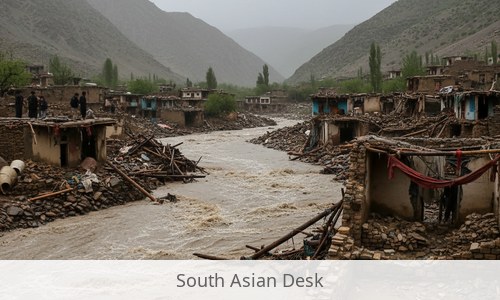
UNICEF aid Afghanistan has taken center stage as the organization announced expanded humanitarian assistance to millions of children affected by severe flooding in Nuristan province. On September 15, 2026, 23 people lost their lives in Parun, the capital of Nuristan, where flooding disrupted water services for approximately 1,000 families. This crisis has intensified an already dire humanitarian situation, with millions in Afghanistan lacking access to safe drinking water. UNICEF’s response to the flooding in Afghanistan includes emergency water purification supplies, medical aid, and nutrition support for vulnerable Afghan children. The UNICEF response floods has been critical in ensuring that aid reaches the most affected communities, particularly in regions where infrastructure has been severely damaged.
UNICEF aid Afghanistan: The Humanitarian Crisis
The flooding in Nuristan province has exacerbated an ongoing humanitarian crisis, with millions of Afghans facing critical shortages of clean water and essential services. UN-Habitat has warned that the lack of safe drinking water and damaged infrastructure pose significant risks to public health, particularly for children. The floods have affected approximately 1,000 families, many of whom now face heightened vulnerability to waterborne diseases and malnutrition. This situation underscores the urgent need for humanitarian assistance, as the region struggles to recover from the disaster. The impact of climate change flooding South Asia is becoming increasingly evident, with extreme weather events like these threatening the stability of entire regions. Without immediate action, the humanitarian challenges in Afghanistan will only grow more severe.
UNICEF’s Role in Disaster Response
UNICEF’s expanded aid includes emergency water purification supplies, medical assistance, and nutrition support for affected children. The organization has partnered with local authorities and international agencies to distribute aid to remote areas where access is limited. This response is part of broader efforts to address the needs of vulnerable populations in Afghanistan, where humanitarian challenges are compounded by ongoing instability. The UNICEF response floods has been critical in reaching Afghan children aid, ensuring that essential services are restored in the most affected regions. In Nuristan, where the damage is most severe, UNICEF teams are working around the clock to deliver supplies and provide medical care to those in need. The collaboration with local communities has been vital in identifying the most vulnerable families and prioritizing aid distribution.
Long-term Implications
The flooding in Afghanistan highlights the growing impact of climate change on South Asia, where extreme weather events are becoming more frequent. Experts warn that without sustained investment in climate resilience and infrastructure, regions like Nuristan will face recurring disasters that strain humanitarian resources. The situation also highlights the need for regional cooperation in disaster preparedness and cross-border aid coordination. Climate change flooding South Asia is a pressing concern that requires immediate attention to prevent future crises. In the long term, the focus must shift from reactive aid to proactive measures that build resilience in communities prone to such disasters. This includes investing in early warning systems, improving water management infrastructure, and ensuring that humanitarian assistance is not only reactive but also sustainable.
The Path Forward
As the situation in Nuristan continues to unfold, the international community must remain vigilant in supporting UNICEF’s efforts to provide UNICEF aid Afghanistan. The scale of the disaster demands a coordinated response that goes beyond immediate relief to address the root causes of vulnerability. This includes tackling the underlying issues of poverty, lack of infrastructure, and the effects of climate change. The humanitarian assistance provided by UNICEF and its partners is a lifeline for Afghan children, but it is not a long-term solution. Sustainable development and climate adaptation strategies are essential to prevent future crises and ensure that communities like Nuristan can withstand the challenges of a changing climate.
Follow SouthAsianDesk on X, Instagram and Facebook for insights on business and current affairs from across South Asia.