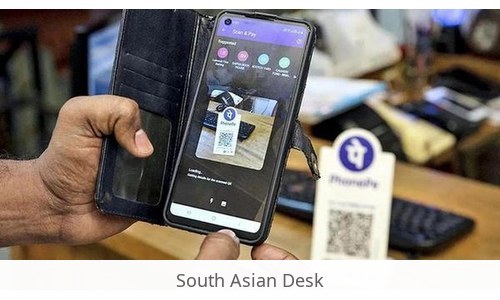
The Indian Ministry of Finance has introduced a revised framework for UPI transaction charges, marking a pivotal shift in the digital payment landscape. Effective from September 15, 2026, the policy imposes a 0.4% fee for UPI on transactions exceeding ₹2,000, while small vendors and person-to-person transfers remain exempt. This update, aimed at balancing innovation and sustainability in the UPI ecosystem, has sparked discussions among merchants, consumers, and regulators alike.
UPI transaction charges: Impact on Small Vendors
The exemption for small vendors is a strategic move to protect micro-merchants from additional financial burdens. With person-to-person transfers accounting for 70% of total UPI transaction value, this policy ensures that the majority of users, particularly those relying on UPI for daily transactions, remain unaffected. However, the impact of UPI charges on merchants is a critical consideration. While only 4% of merchant transactions will be subject to the 0.4% fee, larger businesses may face increased operational costs. This could necessitate system updates and adjustments in pricing strategies to maintain competitiveness. Analysts suggest that the policy’s narrow scope will minimize disruptions, but long-term effects on merchant behavior remain to be seen.
Small vendors, defined as those with annual turnover below a specified threshold, are entirely exempt from the new charges. This decision aligns with the government’s broader goal of promoting digital inclusion and ensuring that micro-merchants are not disproportionately burdened by transaction costs. According to the Hindu, the exemption is intended to encourage small businesses to adopt UPI as a payment method, thereby fostering a more inclusive digital economy. This could lead to increased adoption of UPI among small vendors, potentially expanding the platform’s reach and usage in rural and semi-urban areas.
Broader Implications for Digital Payment Systems in India
The digital payment systems in India are evolving rapidly, and this policy change reflects the Indian Ministry of Finance UPI’s commitment to fostering a sustainable financial ecosystem. By introducing tiered pricing models for high-value transactions, the government aims to encourage responsible usage while generating revenue for infrastructure development. Comparative data from South Asian peers like Bangladesh and Pakistan highlights similar structures, though those systems lack exemptions for micro-merchants. This distinction positions India’s approach as more inclusive, potentially influencing cross-border payment trends as regional digital ecosystems grow.
The policy also signals a shift in how digital payment systems are regulated in India. Previously, UPI transactions were largely free, which led to rapid adoption but also raised concerns about the sustainability of the platform. The introduction of fees for high-value transactions is a step toward ensuring that the UPI system remains financially viable in the long term. This could also encourage the development of alternative payment solutions, as some users might seek out platforms with lower or no transaction fees.
Challenges and Opportunities for Stakeholders
For consumers, the small vendors exempt from UPI fees policy reinforces trust in UPI as a reliable and cost-effective payment method. However, merchants may need to adapt to the new fee structure, particularly those handling high-value transactions. The 0.4% fee for UPI could also impact consumer behavior, with some users opting for alternative payment methods to avoid additional charges. This dynamic underscores the need for transparency and education to ensure smooth adoption of the new framework.
Merchants handling high-value transactions may need to reassess their pricing strategies. For instance, businesses that frequently process large payments might pass on the cost to consumers through higher prices or reduce the number of transactions they accept. Alternatively, they could explore other payment methods, such as credit cards or cash, which are not subject to the same fees. This could lead to a fragmented payment landscape, where different segments of the economy use different systems based on cost considerations.
Consumers, on the other hand, may need to become more aware of the new fee structure. While the majority of transactions will remain free, those making larger payments should be mindful of the additional cost. This could influence spending habits, with some consumers opting for smaller, more frequent transactions to avoid the fee. Additionally, the policy may encourage the use of UPI for smaller transactions, further solidifying its role as a primary payment method for everyday purchases.
Conclusion
The revised UPI transaction charges represent a nuanced approach to regulating digital payments in India. By exempting small vendors and focusing fees on high-value transactions, the policy seeks to protect vulnerable stakeholders while generating resources for system improvements. As the UPI ecosystem continues to expand, ongoing dialogue between regulators, merchants, and consumers will be essential to address emerging challenges and opportunities.
Published in SouthAsianDesk, September 15, 2026.
Follow SouthAsianDesk on X, Instagram and Facebook for insights on business and current affairs from across South Asia.
This report focuses on UPI transaction charges and the verified developments surrounding it.
Sources
- Merchants to be charged 0.4% for UPI transactions over ₹2,000; small vendors exempt – thehindu.com
- UPI Charges To Be 0.4% For Some Payments Above Rs 2,000. Free For Consumers – ndtv.com
Image: th-i.thgim.com