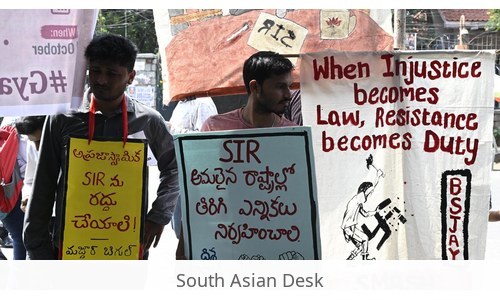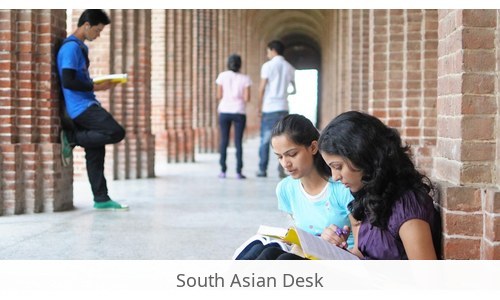
Academic freedom in India has been ‘severely restricted’ under the BJP government, according to a recent report by Scholars at Risk (SAR). The SAR’s Free to Think 2026 analysis highlights a global decline in academic freedom, with 50 of 179 countries experiencing deterioration in this critical area over the past decade. This trend underscores the growing threat to intellectual autonomy worldwide, with India’s situation reflecting broader concerns about the impact of government control on education.
academic freedom in India: Impact of Government Policies
The SAR report emphasizes that governments, including the BJP administration, are increasingly using legal measures, political interference, and even violence to control universities. In India, this manifests through policies that restrict scholarly inquiry, limit institutional autonomy, and target academics critical of government narratives. These BJP government policies have led to reduced international collaborations, self-censorship among faculty, and a chilling effect on freedom of expression in academia. The implications extend beyond individual institutions, affecting the global exchange of ideas and the ability of Indian scholars to engage with international peers.
Global Context
The global decline in academic freedom, as noted in the SAR report, is not isolated to India. However, the country’s situation is particularly concerning, with its academic institutions facing unprecedented pressure from state actors. The report warns that such trends could stifle innovation and research, which are vital for a knowledge-based economy. In India, the impact of government control on education is evident in the erosion of institutional independence and the suppression of dissenting voices within academic circles.
Historical and Institutional Pressures
India’s academic landscape has long been shaped by political dynamics, but the current administration’s approach represents a marked escalation. The SAR report highlights cases where universities have been pressured to align with state narratives, leading to the removal of faculty members who challenge official positions. This has created an environment where academic discourse is increasingly constrained, with institutions fearing repercussions for hosting controversial speakers or publishing critical research. The report also notes a rise in legal actions against academics, including charges of sedition and defamation, which are often used to silence dissent.
International Reactions and Advocacy
The Scholars at Risk report has drawn attention from international academic bodies and human rights organizations. These groups have called for greater transparency and accountability in India’s educational policies, emphasizing the need to protect scholars from political reprisals. The global decline in academic freedom has prompted calls for international solidarity, with universities and research institutions worldwide urging their Indian counterparts to resist undue influence. However, the effectiveness of such advocacy remains limited, as the BJP government has shown little willingness to engage with external criticism.
Long-Term Consequences for Education and Innovation
The tightening grip on academic freedom poses significant risks to India’s educational and scientific advancements. By limiting the scope of research and stifling open debate, the government may hinder the development of new ideas and technologies. This could have long-term consequences for India’s position in the global knowledge economy, as innovation often thrives in environments where intellectual freedom is protected. The report warns that without intervention, the erosion of academic freedom could lead to a brain drain, with talented scholars seeking opportunities abroad where their work is not subject to political interference.
Conclusion
The findings from the SAR report reflect a worrying global trend in academic environments, where governments are tightening control over educational institutions. Safeguarding academic freedom remains critical to preserving intellectual diversity and fostering open dialogue in the face of increasing political interference. As the BJP government policies continue to shape the educational landscape, the need for international solidarity and advocacy for freedom of expression in academia becomes more urgent than ever.
Follow SouthAsianDesk on X, Instagram and Facebook for insights on business and current affairs from across South Asia.
This report focuses on academic freedom in India and the verified developments surrounding it.
Sources
- India’s academic freedom ‘severely restricted’ under BJP government: report – thehindu.com
- Scholars at Risk Report Warns of Sharp Global Decline in Academic Freedom – khaama.com
Image: th-i.thgim.com