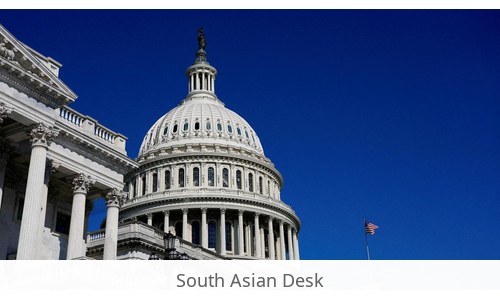
On September 17, 2026, the U.S. House of Representatives passed a significant sanctions bill targeting Russia by a vote of 262-159. This legislative action, known as the US House Russia sanctions bill, represents the most substantial U.S. effort against Russia since Donald Trump returned to office, signaling a renewed focus on countering Moscow’s influence through economic measures. The sanctions, aimed at supporting Ukraine amid ongoing tensions, may reshape trade and strategic dynamics for India and China, two major South Asian powers with complex relationships with Russia.
US House Russia sanctions bill: Impact on India
India’s trade ties with Russia have grown substantially in recent years, particularly in energy and defense sectors. However, the US House Russia sanctions bill could introduce economic pressures on India, which has relied on Russian oil and military equipment. While New Delhi has maintained a strategic balance between Moscow and Washington, the bill may compel India to reassess its energy imports and defense procurement strategies. Diplomatic considerations also arise, as India seeks to avoid alienating either the U.S. or Russia amid regional security concerns.
The US sanctions impact on India could be felt in both trade and defense sectors, forcing New Delhi to diversify its partnerships. For instance, India may accelerate its pivot toward alternative energy suppliers like the Middle East or Southeast Asia, while also exploring partnerships with European defense firms to reduce reliance on Russian arms. This shift could strain India Russia trade relations, particularly in the energy sector, where Russia accounts for over 20% of India’s crude oil imports. Analysts suggest that India may also leverage its growing ties with the U.S. to secure preferential trade terms, though this could complicate its broader non-alignment strategy.
China’s Response
China, historically aligned with Russia in global governance and trade, has long opposed U.S. sanctions against Moscow. The the result may reinforce Beijing’s stance on non-interference in sovereign matters while potentially accelerating its efforts to diversify trade routes and reduce dependency on Western financial systems. This could indirectly influence China India relations, as both nations navigate competing interests in South Asia’s evolving geopolitical landscape.
China response to US sanctions has historically been firm, and this bill may further solidify Beijing’s resolve to counter Western economic pressure. For example, China could deepen its collaboration with Russia on energy projects, such as the Power of Siberia gas pipeline, to offset potential U.S. influence. Additionally, Beijing may push for greater integration of its Belt and Road Initiative (BRI) with Russian infrastructure projects, creating an alternative economic bloc to counter Western sanctions. However, this could also create friction with India, which has expressed concerns about the BRI’s expansion into South Asia.
Regional Security Dynamics
The the result’s passage could amplify existing tensions in South Asia, where India and China compete for regional influence. Regional powers may recalibrate alliances, with potential implications for trade corridors and security cooperation. The U.S. policy shift may also encourage closer coordination between New Delhi and Beijing on issues like climate change or regional infrastructure projects, though strategic mistrust remains a key barrier.
These developments are part of broader South Asia geopolitical dynamics, where external actors like the U.S. and Russia play significant roles. For instance, the U.S. could leverage its newfound sanctions authority to strengthen defense ties with India, potentially including joint military exercises or technology transfers. Meanwhile, China may seek to deepen its economic ties with Pakistan through the China-Pakistan Economic Corridor (CPEC), further complicating the regional balance of power. Such moves could lead to a more fragmented South Asia, with India and China vying for influence amid U.S. and Russian interventions.
Conclusion
The the result marks a pivotal moment in U.S.-Russia relations and has far-reaching implications for South Asia. As India and China navigate the complexities of India Russia trade relations, China India relations, and South Asia geopolitical dynamics, the interplay between economic pressures and strategic alliances will shape the region’s future. The US sanctions impact on India and China response to US sanctions will likely drive policy shifts that could redefine the balance of power in the 21st century.
Follow SouthAsianDesk on X, Instagram and Facebook for insights on business and current affairs from across South Asia.
Sources
- Morning Digest: U.S. House passes Russia sanctions bill; India rejects Pakistan-China Boundary Joint Commission; and more – thehindu.com
- India, China To Face New Trump Tariffs? US House Passes Russia Sanctions Bill – ndtv.com
- Congress passes sweeping US sanctions bill targeting Russia – aljazeera.com
Image: th-i.thgim.com