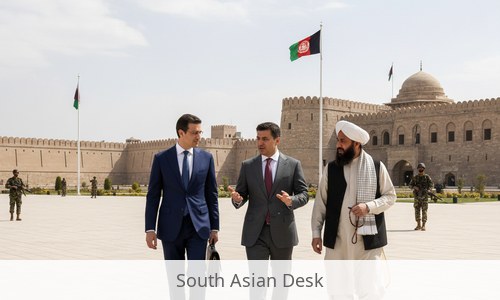
Qatari Turkish security officials Kabul visit: On September 17, 2026, Qatari and Turkish security officials conducted a high-level visit to Kabul to address pressing security concerns in Afghanistan. The trip occurred amid growing international scrutiny of the Afghanistan security situation, with the Taliban’s governance and regional diplomacy under intense focus. The discussions centered on Kabul security discussions, reflecting the urgency of stabilizing the region.
Qatari Turkish security officials Kabul visit: Security Discussions and Regional Implications
The Qatari Turkish security officials Kabul visit focused on Afghanistan’s volatile security environment, with both delegations emphasizing the need for the Taliban to address persistent insurgent threats and human rights challenges. Officials from both nations urged the Taliban to implement concrete measures to improve the Afghanistan security situation, including curbing violence and ensuring accountability. This engagement highlights the evolving dynamics of Qatar Turkey relations, as both nations continue to play pivotal roles in Afghanistan’s political landscape.
The visit underscores the importance of regional diplomacy in shaping the future of Afghanistan. As key regional players with historical ties to Afghan factions, Qatar and Turkey’s collaboration signals a potential shift in how international actors approach Taliban governance. The timing of the result, amid heightened international scrutiny, may also reflect broader efforts to coordinate responses to Afghanistan’s evolving security crisis. This collaboration could influence how regional actors approach Taliban governance and the broader stability of the region.
The Broader Context of Kabul Security Discussions
The result also highlights the importance of Kabul security discussions in shaping future diplomatic strategies. With the Taliban’s governance facing criticism globally, the involvement of Qatar and Turkey—two nations with significant influence in the region—could pave the way for more structured dialogue. This engagement may also encourage other regional actors to re-evaluate their approaches to Afghanistan’s security situation and the role of international actors in fostering stability.
The discussions between Qatari and Turkish officials are part of a larger effort to address the multifaceted challenges facing Afghanistan. The Taliban’s governance has been under intense scrutiny, with the United Nations highlighting major human rights and security challenges. The visit by Qatari and Turkish officials comes at a time when Afghanistan is facing significant international scrutiny regarding its human rights record and security environment, which could influence regional diplomatic relations.
Regional Diplomacy and the Role of Qatar and Turkey
Qatar and Turkey have long maintained a complex relationship in the Middle East and South Asia. Their engagement in Afghanistan reflects a shared interest in regional stability, despite differing geopolitical priorities. The result is a testament to their willingness to collaborate on issues that directly impact the region’s security and political dynamics.
The evolving Qatar Turkey relations are particularly significant in the context of Afghanistan’s security situation. Both nations have historically supported different factions within Afghanistan, but their current collaboration suggests a strategic alignment to address common challenges. This shift could have far-reaching implications for regional diplomacy, as other countries may follow suit in engaging with the Taliban government.
Conclusion: A Step Toward Stability or a New Challenge?
The result represents a critical moment in Afghanistan’s ongoing security and diplomatic challenges. While the discussions focused on immediate concerns such as insurgent threats and human rights, they also signaled a broader commitment to regional diplomacy and cooperation. The success of this engagement will depend on the Taliban’s willingness to implement the proposed measures and the continued support of international actors.
As Afghanistan navigates its complex political landscape, the involvement of Qatar and Turkey underscores the importance of multilateral approaches to regional stability. The result is a reminder that even in times of uncertainty, dialogue and cooperation remain essential tools for addressing shared challenges.
Follow SouthAsianDesk on X, Instagram and Facebook for insights on business and current affairs from across South Asia.