India Bhutan development cooperation has taken a significant leap forward with the recent visit of India’s External Affairs Minister, S. Jaishankar, to Bhutan. During his trip, discussions centered on deepening collaboration in energy, trade, connectivity, and cultural exchanges, reinforcing the importance of bilateral relations India Bhutan in shaping South Asia regional stability. This partnership underscores India’s commitment to fostering sustainable development and regional integration.
India Bhutan development cooperation: Key Developments in Bilateral Cooperation
The talks between Indian External Affairs Minister S. Jaishankar and Bhutanese Prime Minister Tshering Tobgay covered a range of sectors crucial to bilateral development. Energy cooperation was a central theme, with both nations exploring ways to enhance power generation and transmission. Trade and connectivity initiatives were also discussed, aiming to streamline cross-border trade and improve infrastructure links.
A significant development during the visit was the handover of Mahindra electric vehicles to Bhutan. This gesture underscores India’s commitment to supporting Bhutan’s transition to sustainable transportation. Additionally, the second phase of the Unified Payments Interface (UPI) was launched, facilitating seamless digital transactions between the two countries.
The exchange of a Memorandum of Understanding (MoU) between India and Bhutan further solidifies their partnership. This document outlines collaborative efforts in various domains, including technology, education, and healthcare, to foster long-term economic and social development.
Cultural and People-to-People Ties
Cultural exchanges play a vital role in strengthening the India-Bhutan relationship. Both nations recognize the importance of people-to-people connections in building mutual trust and understanding. Initiatives such as student exchange programs, cultural festivals, and joint research projects have been instrumental in deepening these ties.
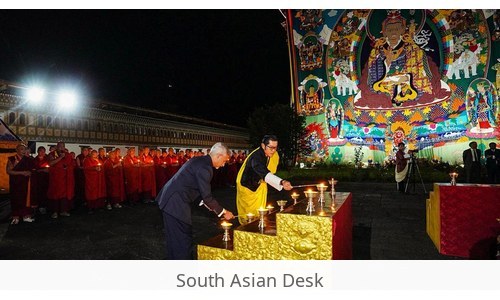
The visit also highlighted the significance of religious and cultural heritage shared between the two countries. Collaborative efforts in preserving historical sites and promoting cultural tourism are expected to enhance bilateral relations India Bhutan further.
Implications for Regional Stability
The enhanced cooperation between India and Bhutan has broader implications for regional stability in South Asia. By strengthening economic and strategic ties, both nations contribute to a more balanced regional power dynamic. This partnership also serves as a model for other South Asian countries seeking to enhance bilateral relations.
India Bhutan development cooperation is particularly significant in the context of South Asia’s economic landscape. As both nations work towards sustainable development, their collaboration can set a precedent for regional integration and economic cooperation. The S. Jaishankar Bhutan visit further emphasized the importance of these ties in maintaining South Asia regional stability.
The Memorandum of Understanding (MoU) signed during the visit outlines specific initiatives in technology, education, and healthcare. These areas are critical for long-term development and will require sustained investment and policy alignment. The MoU also includes provisions for joint research and development projects, which could lead to innovations in renewable energy and digital infrastructure.
The launch of the second phase of the Unified Payments Interface (UPI) is a major step in modernizing financial transactions between the two countries. This initiative not only facilitates easier cross-border trade but also promotes financial inclusion in Bhutan. The integration of UPI with Bhutan’s existing payment systems is expected to reduce transaction costs and increase the efficiency of digital commerce.
The handover of Mahindra electric vehicles to Bhutan is a strategic move to support the country’s transition to green energy. This initiative aligns with Bhutan’s national goals of reducing carbon emissions and promoting sustainable transportation. The electric vehicles will be used in both public and private sectors, contributing to a cleaner environment and energy security.
Cultural and educational exchanges are also being expanded through new programs aimed at fostering deeper understanding between the two nations. These programs include scholarships for Bhutanese students to study in Indian universities and joint cultural festivals that celebrate the shared heritage of both countries. Such initiatives are crucial for building a strong foundation of mutual respect and cooperation.
The S. Jaishankar Bhutan visit has reinforced the importance of maintaining strong bilateral relations India Bhutan. This visit not only highlighted the progress made in various sectors but also set the stage for future collaborations. The discussions on energy, trade, and technology are expected to yield long-term benefits for both nations.
As South Asia continues to evolve, the India-Bhutan partnership serves as a model for regional cooperation. By focusing on sustainable development and mutual growth, both countries are contributing to a more stable and prosperous South Asia. The ongoing efforts in bilateral relations India Bhutan will be instrumental in achieving this vision.
Follow SouthAsianDesk on X, Instagram and Facebook for insights on business and current affairs from across South Asia.
Sources
- India, Bhutan commend progress in bilateral development cooperation – thehindu.com
- EVs, digital payment and scholarship: Bhutan-India strengthen cooperation – bbs.bt
Image: th-i.thgim.com