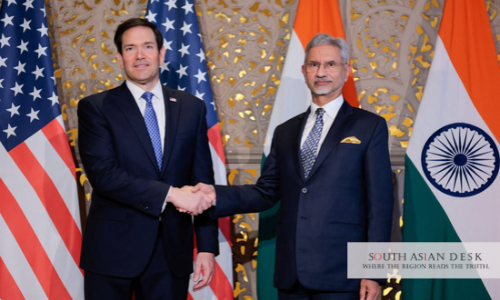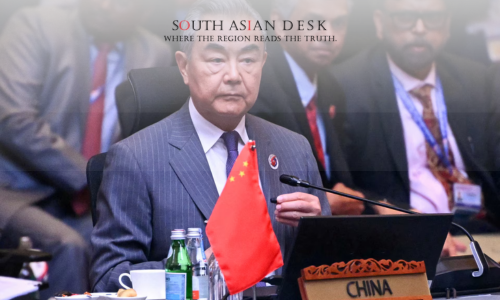
In a significant step towards mending international relations, India and China have agreed to resume direct flights and enhance trade and investment ties, marking a cautious reconciliation after the 2020 border clash that strained their diplomatic bonds. This development, announced on August 19, 2025, follows high-level talks in New Delhi, offering hope for renewed economic and cultural connections between the world’s two most populous nations.
International Relations and Economic Cooperation
The decision to restore direct flights to China, suspended since the COVID-19 pandemic in 2020, emerged from the 24th round of border talks between Chinese Foreign Minister Wang Yi and India’s National Security Advisor Ajit Doval. The discussions, held in New Delhi, focused on resolving longstanding issues along the Himalayan border, including troop withdrawals and boundary demarcation. While no major breakthroughs were reported on these fronts, both nations expressed a commitment to fostering stability and trust. Indian Prime Minister Narendra Modi, after meeting Wang, emphasised on X that “stable, predictable, constructive ties between India and China will contribute significantly to regional as well as global peace and prosperity”.
Economic Cooperation Takes Flight
Beyond resuming direct flights to China, the agreement includes reopening border trade at three designated points, Lipulekh, Shipki La, and Nathu La, to bolster cross-border economic activity. Both countries also pledged to simplify visa processes for tourists, businesses, and media, facilitating greater people-to-people contact. These measures aim to revitalise trade and investment flows, which have faced challenges since the 2020 Galwan Valley clash that left 20 Indian and four Chinese soldiers dead. The Indian foreign ministry highlighted the intent to update the Air Services Agreement, with technical discussions planned to finalise flight resumption details, though no specific timeline was provided.
Addressing Trans-Border Concerns
A key point of discussion was China’s mega dam project on the Yarlung Zangbo River, which becomes the Brahmaputra in India and Bangladesh, a vital lifeline for millions. India’s Foreign Minister Subrahmanyam Jaishankar urged “utmost transparency” due to potential downstream impacts, a concern echoed by Bangladesh. In response, China committed to sharing emergency hydrological data and engaging in expert-level talks to renew flood reporting arrangements. Despite Chinese assurances that the dam poses minimal environmental or water supply risks, India remains
Published in SouthAsianDesk, August 20th, 2025
Follow SouthAsianDesk on X, Instagram and Facebook for insights on business and current affairs from across South Asia.