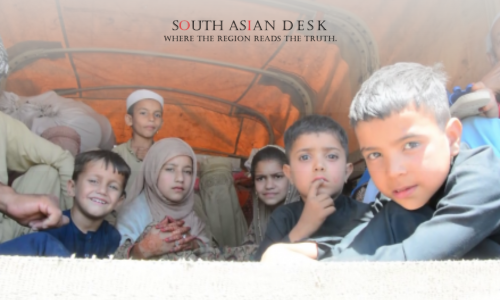
Pakistan accelerates repatriation of Afghan PoR cardholders as the September 1, 2025, deadline looms, raising humanitarian concerns. Pakistan’s government has intensified the repatriation of over 1.3 million Afghan refugees holding Proof of Registration (PoR) cards, with voluntary returns starting immediately and formal deportations set for September 1, 2025, in Islamabad, to address security and resource concerns.
Why This Matters in South Asia
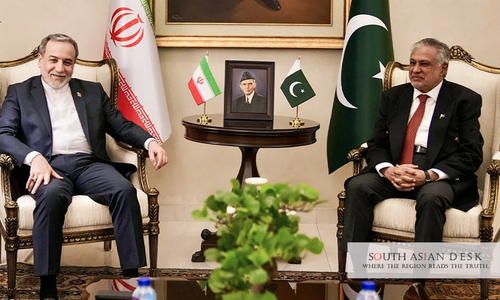
The accelerated repatriation of Afghan PoR cardholders is a critical issue in South Asia, where Pakistan hosts one of the largest refugee populations globally. This policy could strain Afghanistan’s fragile infrastructure, exacerbate regional instability, and challenge humanitarian norms, particularly the principle of non-refoulement, impacting millions across the region. Returnees are facing severe housing and health-related issues during Afghanistan’s own government crisis. Additionally, major countries such as Iran, Germany, and others are also focusing on repatriation.
Implementation of the Afghan Repatriation Deadline
On July 31, 2025, Pakistan’s Interior Ministry announced that PoR cards, which expired on June 30, 2025, would not be renewed, rendering 1.4 million Afghan refugees unlawful residents. A notification dated August 4, 2025, outlined the Illegal Foreigners Repatriation Plan (IFRP), stating that voluntary returns of PoR cardholders began immediately, with compulsory deportations starting September 1, 2025. The National Database and Registration Authority (NADRA) will deregister returnees at border terminals, supported by the Federal Investigation Agency (FIA). Over 15,000 Afghan nationals have been mapped for repatriation, according to a senior police official cited by Dawn on August 23, 2025.
Humanitarian Concerns and UNHCR Response
The United Nations High Commissioner for Refugees (UNHCR) has voiced alarm over the forced returns, noting reports of arrests and detentions of PoR cardholders across Pakistan. UNHCR spokesperson Babar Baloch, speaking in Geneva on August 5, 2025, urged Pakistan to halt involuntary repatriations, citing violations of the non-refoulement principle, which prohibits returning refugees to places where they face persecution. Baloch highlighted Pakistan’s 40-year history of hosting Afghan refugees but warned that mass returns could destabilise Afghanistan, where 2.1 million people, including 352,000 from Pakistan, have returned in 2025, straining basic services.
Support for Returnees
UNHCR’s Voluntary Repatriation Centres (VRCs) in Baleli, Quetta, and Azakhel, Nowshera, are processing returnees, offering a one-time cash grant of AFN 11,000 per household at Encashment Centres in Afghanistan. As of July 31, 2025, over 156,000 returnees, including 98,000 PoR cardholders, have received aid. However, TOLOnews reported on August 20, 2025, that returnees face challenges like unemployment and lack of housing in Afghanistan, with Mohammad Ghafoor, a returnee, stating, “We have no jobs, no shelter, and no support.”
Background
Pakistan has hosted Afghan refugees since the 1979 Soviet invasion, with 1.4 million holding PoR cards issued by UNHCR. The IFRP, launched in October 2023, has three phases: deporting undocumented Afghans, Afghan Citizen Card (ACC) holders, and PoR cardholders. Since 2023, over 1.08 million Afghans have been forcibly returned, with 389,000 in 2025 alone. The policy, driven by security concerns and resource pressures, has drawn criticism from Amnesty International and UNHCR for lacking transparency and violating international law. A Peshawar High Court ruling on August 21, 2025, temporarily halted deportations of PoR cardholders until June 30, 2025, but the federal government’s latest directive overrides this.
What’s Next
As the September 1, 2025, deadline approaches, Afghan repatriation efforts will intensify, with Pakistan urging voluntary returns to avoid conflict. The international community, including UNHCR, is pressing for exemptions for vulnerable groups, such as women, girls, and those with medical needs. The success of these efforts will hinge on coordinated support to mitigate the humanitarian crisis in Afghanistan.
Published in SouthAsianDesk, August 24th, 2025
Follow SouthAsianDesk on X, Instagram, and Facebook for insights on business and current affairs from across South Asia.