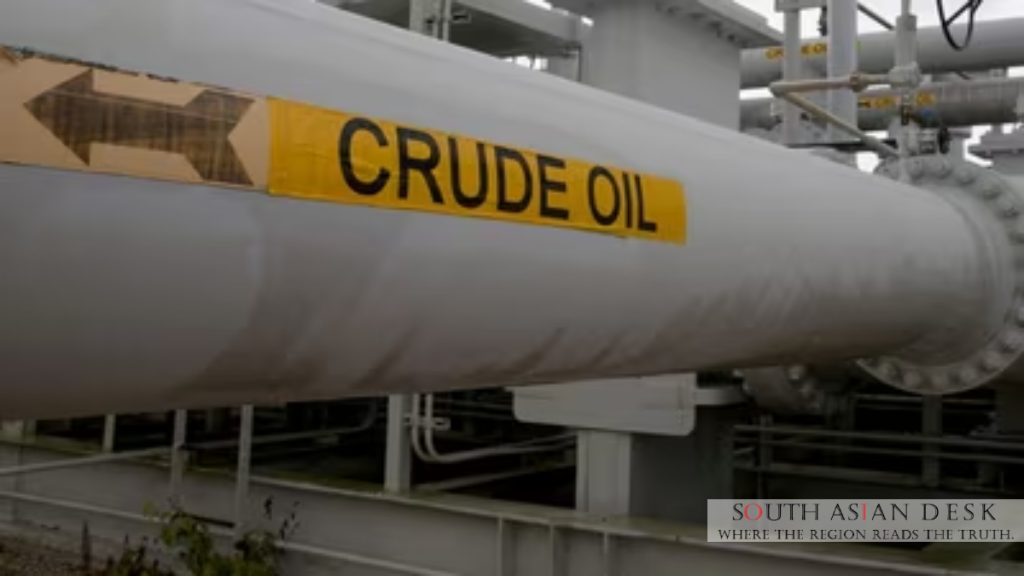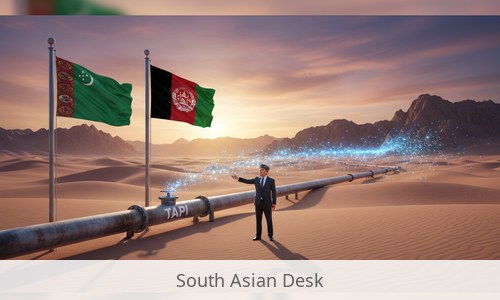
On [date from dossier], Turkmenistan’s ambassador to Pakistan, Atajan Mulamov, announced that the TAPI gas pipeline will begin supplying natural gas to Afghanistan in 2027. The Turkmenistan–Afghanistan–Pakistan–India (TAPI) gas pipeline, a 1,814-kilometer project spanning four countries, represents a landmark infrastructure initiative aimed at enhancing regional energy security and fostering economic cooperation. The pipeline’s completion will mark a significant milestone in South Asia’s energy infrastructure, with implications for energy independence, trade dynamics, and cross-border collaboration.
TAPI gas pipeline: Completion Timeline
The Serhetabat–Herat section of the TAPI pipeline, a critical segment connecting Turkmenistan to Afghanistan, is expected to be completed by the end of 2026, as reported by Khaama Press. This phase will enable the pipeline to begin delivering gas to Afghanistan in 2027, as confirmed by Ariana News. The completion of this segment is pivotal for meeting Afghanistan’s growing energy demands, which have been exacerbated by years of conflict and underinvestment in energy infrastructure. The project’s timeline underscores the urgency of addressing energy shortages in the region while ensuring the technical and logistical feasibility of the pipeline’s operation.
Geopolitical Implications
For Turkmenistan, the TAPI pipeline is a strategic initiative to diversify its gas exports beyond traditional markets such as China and Russia. As noted in the dossier, the project aligns with Turkmenistan’s broader goal of reducing dependency on a single export route and strengthening its position as a key energy supplier in South Asia. For Afghanistan, the pipeline offers a potential pathway to energy independence, reducing reliance on imported fuels and stabilizing domestic energy markets. This development could also foster closer economic ties between South Asian nations, including Pakistan and India, by creating shared infrastructure and energy corridors that facilitate trade and regional integration.
Challenges Ahead
Despite its potential benefits, the TAPI pipeline faces operational and political challenges that could delay its full implementation. Security concerns along the route, particularly in Afghanistan, remain a significant risk. The country’s ongoing instability and the presence of armed groups in certain regions could disrupt construction or operations. Additionally, ensuring consistent gas flow requires coordination among all four participating nations, which may involve complex diplomatic and logistical considerations. Disagreements over pricing, transit fees, and the allocation of resources could further complicate the project’s execution. The success of the TAPI pipeline will depend on sustained political will, robust security measures, and effective collaboration among stakeholders.
Regional Energy Security and Economic Cooperation
The TAPI pipeline is part of a broader regional effort to enhance energy security in South Asia. By providing a stable supply of natural gas, the project aims to reduce energy poverty in Afghanistan and support industrial growth in Pakistan and India. The pipeline’s operation could also contribute to environmental sustainability by replacing more polluting energy sources such as diesel generators and coal-fired power plants. However, the project’s long-term success will hinge on the ability of participating countries to address technical challenges, secure financing, and maintain political stability in the region.
Conclusion
The TAPI pipeline represents a transformative infrastructure project with the potential to reshape energy dynamics in South Asia. While the completion of the Serhetabat–Herat section by 2026 is a critical milestone, the full realization of the project’s benefits will require overcoming significant challenges. As the pipeline moves closer to operational status, its impact on regional energy security, economic cooperation, and geopolitical relations will be closely watched by policymakers and analysts across the region.
Published in SouthAsianDesk, [date from dossier].
Follow SouthAsianDesk on X, Instagram and Facebook for insights on business and current affairs from across South Asia.