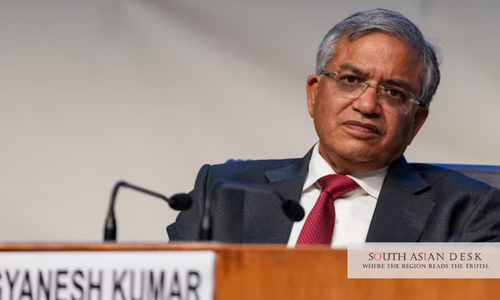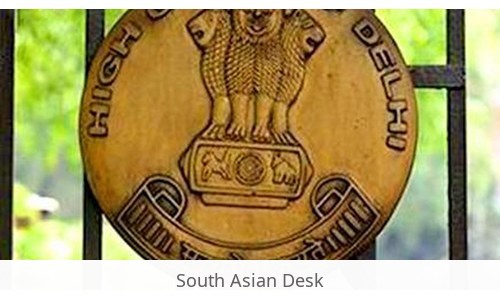
On 2026-09-25, Delhi High Court, led by Justice Girish Kathpalia, issued an order directing Meta to remove an objectionable morphed photo of a woman with the Prime Minister within 24 hours. The Delhi High Court ruling underscores the growing judicial focus on digital media responsibility and the need for platforms like Meta to address harmful content promptly. This case highlights the intersection of social media regulations India and the protection of individual dignity protection in the digital age.
Delhi High Court ruling: Implications for Social Media Regulations
The Delhi High Court ruling underscores growing judicial scrutiny of social media companies’ role in managing harmful content. Justice Kathpalia highlighted that the case extends beyond the individual woman involved, implicating the country’s Prime Minister and raising questions about the responsibilities of platforms like Meta. This decision may influence future social media regulations India, potentially requiring platforms to adopt stricter content moderation policies to prevent the spread of morphed images that could harm public figures. The ruling aligns with previous judicial actions, such as the 2021 directive mandating the removal of hate speech and misinformation from platforms, reinforcing the need for consistent enforcement of content moderation guidelines.
Balancing Freedom of Expression and Individual Rights
India’s legal framework for freedom of expression India faces ongoing challenges in reconciling digital rights with the protection of individual dignity. The court’s directive reflects a judicial attempt to address the misuse of technology for creating and disseminating content that could damage reputations or incite harm. Legal experts note that while free speech is protected under Article 19 of the Indian Constitution, it is not absolute, and the Delhi High Court ruling signals a potential shift in how digital media responsibility is enforced to safeguard public figures. The case also raises questions about the balance between protecting individuals from reputational harm and preserving the right to free expression, a tension that has been central to several landmark Supreme Court rulings.
Future Legal Actions Against Social Media Platforms
This case follows a series of legal actions against social media companies in India, including previous rulings that mandated the removal of hate speech and misinformation. The result may encourage more individuals to seek legal recourse against platforms for failing to remove harmful content promptly. However, the effectiveness of such measures depends on consistent enforcement and clear guidelines for platforms to follow. The court’s emphasis on Meta morphed photo removal aligns with broader efforts to hold digital platforms accountable for content moderation. For instance, in 2023, the Supreme Court of India issued a notice to major platforms over the spread of fake news, signaling a growing trend of judicial intervention in digital content governance.
Broader Context and Legal Precedents
The result is part of a larger trend in India where courts are increasingly addressing the responsibilities of social media companies in managing harmful content. This trend reflects the legal challenges surrounding digital privacy and the protection of public figures. The ruling also highlights the need for individual dignity protection in the digital sphere, where morphed images can cause significant reputational damage. Previous cases, such as the 2020 ruling against a social media platform for failing to remove defamatory content, have set precedents for holding platforms legally responsible for user-generated content that violates individual rights.
Impact on Digital Media Responsibility
The case has sparked discussions about the role of digital media responsibility in preventing the spread of harmful content. Legal experts argue that platforms like Meta must implement more robust measures to detect and remove objectionable content swiftly. This includes leveraging AI tools and human moderators to ensure compliance with social media regulations India and the broader principles of freedom of expression India. The ruling may also prompt platforms to revisit their content policies, particularly regarding deepfakes and morphed images, which have become increasingly prevalent in the digital landscape.
Conclusion
The result serves as a pivotal moment in the ongoing dialogue about the balance between free speech and individual rights in the digital age. As social media continues to evolve, the need for clear regulations and responsible content moderation becomes increasingly critical. This case not only sets a precedent for future legal actions but also reinforces the importance of individual dignity protection and digital media responsibility in safeguarding public figures and the broader society.
Follow SouthAsianDesk on X, Instagram and Facebook for insights on business and current affairs from across South Asia.
Sources
- Delhi HC directs Meta to immediately remove objectionable morphed photo of woman with PM – thehindu.com
- High Court Asks Meta To Remove Woman’s Morphed Images, CJP Leaders Get Notices – ndtv.com
Image: th-i.thgim.com