The Dera Ismail Khan blast on Saturday has left at least 11 people dead and 30 injured, according to emergency service Rescue 1122, in one of the deadliest attacks to hit the northwestern Pakistani district in recent months. The explosion struck near a security checkpoint in the Darazinda area, an already volatile stretch of Khyber Pakhtunkhwa province close to Pakistan’s border with Afghanistan.
Details of the Dera Ismail Khan Blast
According to Rescue 1122, the explosion occurred near the Aman Mela checkpost, situated on the Dera Ismail Khan to Quetta road close to Mughal Kot and Darazinda, an area that also sits near the boundary between Khyber Pakhtunkhwa and Balochistan provinces. Khyber Pakhtunkhwa Inspector General of Police Zulfikar Hameed said the checkpoint had been jointly established for anti-smuggling operations at the time of the attack.
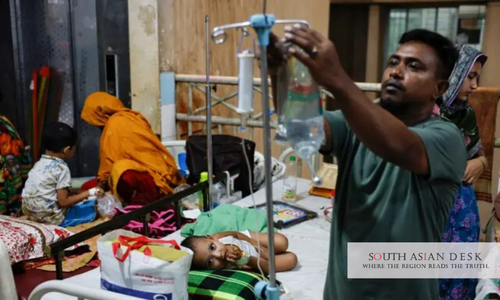
Officials cited by rescue and police sources said the blast was caused by a suicide attacker who detonated an explosives-laden vehicle at the checkpoint. Rescue 1122 spokesperson Bilal Ahmad Faizi said the dead included eight men, two women, and a child, with bodies recovered from the scene shortly after the explosion. Eighteen of the injured had been given medical treatment and moved to hospital by the time the statement was issued, with six ambulances, a firefighting vehicle, and more than 25 rescue personnel deployed to the site. Additional ambulances and rescue staff were sent from the neighbouring districts of Karak and Hangu to assist with the operation.
Police, security forces, and Counter-Terrorism Department teams cordoned off the area following the explosion and launched a search and clearance operation. Officials said evidence was being collected at the scene to establish the precise nature and cause of the blast.
Checkpoints of this kind have become a frequent target for militant groups operating along Pakistan’s northwestern frontier, where security forces have stepped up efforts to curb the smuggling of weapons, narcotics, and other contraband across the porous border with Afghanistan. Analysts note that joint posts of this nature, often staffed by a mix of police, paramilitary, and counter-terrorism personnel, present an attractive target precisely because they concentrate multiple security agencies in a single, predictable location.
Militant Group Claims Responsibility
The Tehreek-e-Taliban Pakistan claimed responsibility for the attack shortly after it occurred. Dera Ismail Khan and the surrounding districts of Khyber Pakhtunkhwa have repeatedly been targeted by Islamist militant violence in recent years, with police and security personnel frequently the primary targets. Security incidents have continued in the district throughout September, including previous attacks linked to the group.
Khyber Pakhtunkhwa Governor Faisal Karim Kundi condemned the attack, describing it as a deliberate conspiracy and directing officials to submit a detailed report on the incident. He called for heightened vigilance in the region going forward.
A Region With a Difficult Security History
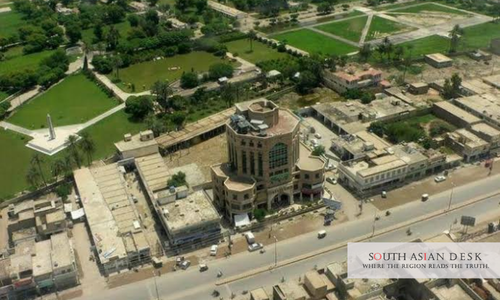
Dera Ismail Khan has long been considered one of the more sensitive districts in Khyber Pakhtunkhwa because of its proximity to the Afghan border and its history of militant activity. The district has recorded multiple bombings and targeted attacks over the past two decades, with security forces, law enforcement personnel, and civilians all affected at different points. Saturday’s blast adds to a string of recent incidents in the area, underscoring the continuing security challenges facing authorities in the province.
As of Saturday evening, authorities had not released further details on the identities of the victims or confirmed additional information on the explosive device used. Investigations into the attack remain ongoing.
In the aftermath of the attack, condolences poured in from political leaders and civil society figures across the country, with many renewing calls for sustained counter-terrorism operations in the province. Khyber Pakhtunkhwa’s provincial government has faced mounting pressure in recent months to strengthen security along vulnerable stretches of the Afghan border, even as militant groups continue to exploit gaps in surveillance and patrol coverage across the region’s remote districts.
Follow SouthAsianDesk on X, Instagram and Facebook for insights on business and current affairs from across South Asia.