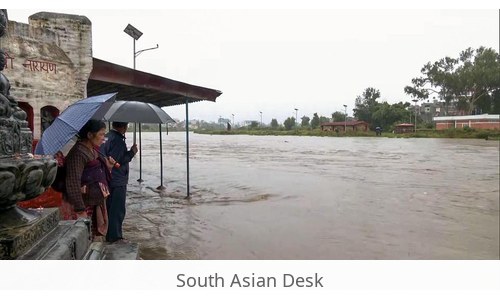
Nepal power infrastructure disruption: Severe flooding and landslides have disrupted electricity transmission and distribution systems across Nepal, affecting a capacity of up to 1,303 MW. The damage has forced evacuations in multiple districts and raised concerns about the resilience of power infrastructure in the region, particularly in light of Nepal floods impact and landslides in Nepal. As of September 27, 2026, the Ministry of Energy reports that 389 houses in Nawalparasi West and Saptari districts have been inundated by flooding from the Narayani and Saptakoshi rivers, forcing hundreds of families to evacuate. In Rupandehi district, floodwaters from the Tinau River swept away six houses along the riverbank in Butwal as the river rose above its danger level. These events have highlighted the vulnerability of Nepal’s energy systems to extreme weather events, with electricity supply Nepal now under significant strain.
Government Response to Nepal Power Infrastructure Disruption
The government is conducting damage assessments and coordinating relief efforts to restore power supply. Emergency measures are being implemented to address faults in transmission lines and equipment issues at power generation plants and substations. Officials have not yet provided a timeline for full restoration, but the electricity supply Nepal crisis has prompted urgent action. The Ministry of Energy has deployed teams to inspect damaged infrastructure, including transmission towers and substations in affected areas. In some regions, temporary power solutions are being explored to mitigate the impact on households and businesses. However, the scale of the damage has raised questions about the long-term sustainability of current infrastructure, especially in the context of climate change Nepal and natural disasters South Asia.
Long-term Implications of Nepal Power Infrastructure Disruption
The damage to critical energy infrastructure underscores the need for improved resilience strategies in the face of increasing climate-related challenges. Prolonged outages could disrupt economic stability, affecting industries reliant on a stable electricity supply. For instance, manufacturing units in Kathmandu Valley, which contribute significantly to Nepal’s GDP, may face production halts if power restoration is delayed. Additionally, the disruption of Nepal power infrastructure disruption has implications for rural electrification projects, which are crucial for poverty alleviation and development. Experts warn that without significant investment in climate-adaptive infrastructure, similar events could become more frequent, exacerbating the risks to natural disasters South Asia.
Climate Change Impact on Nepal’s Power Systems
Increased rainfall and flooding events are becoming more common in South Asia, with climate change likely exacerbating the frequency and severity of such disasters. The incident underscores the urgency of investing in climate-adaptive infrastructure to safeguard energy systems across the region. the result has become a recurring concern as extreme weather events intensify. For example, the 2023 monsoon season saw similar disruptions, with power outages affecting over 2 million households. Climate scientists note that rising temperatures and shifting precipitation patterns are increasing the likelihood of such events, necessitating a reevaluation of Nepal’s energy policies and infrastructure planning.
Community and Economic Impact
The disruption of the result has had a ripple effect on local communities and the economy. In affected districts, schools and hospitals have been forced to rely on backup generators, which are not always reliable or sustainable. Small businesses, particularly in rural areas, have reported losses due to power outages, with some unable to operate without electricity. The government has initiated emergency relief programs, including the distribution of solar-powered lamps and portable generators to affected households. However, these measures are seen as temporary solutions, and long-term planning is essential to prevent future crises.
Follow SouthAsianDesk on X, Instagram and Facebook for insights on business and current affairs from across South Asia.
Sources
- Relentless rainfall triggers floods, landslips across Nepal – thehindu.com
- Relentless Rainfall Triggers Floods, Landslides Across Nepal – ndtv.com
- Floods and landslides damage power infrastructure, affecting up to 1,303 MW of system – english.onlinekhabar.com
Image: th-i.thgim.com