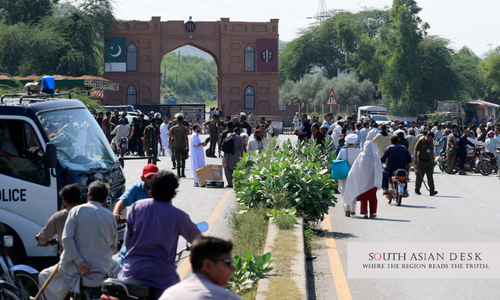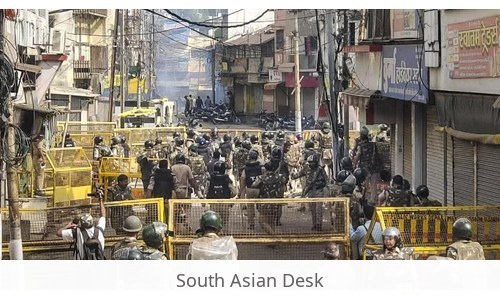
Ujjain mosque demolition has sparked intense protests in Ujjain, Madhya Pradesh, as demonstrators clashed with police over the planned removal of part of the Shahi Masjid to facilitate a road-widening project. The Hindu reports that the unrest highlights growing community tensions Ujjain as urban development initiatives intersect with the preservation of religious heritage. The road-widening project, part of broader infrastructure upgrades for the 2028 Simhastha Kumbh, has drawn sharp criticism from local communities and activists. The 2028 Simhastha Kumbh, one of the largest Hindu religious gatherings in the world, is expected to draw millions of pilgrims, necessitating significant infrastructure improvements. However, the decision to partially demolish the Shahi Masjid has raised concerns about the balance between modernization and cultural preservation.
Ujjain mosque demolition: Historical Significance of Shahi Masjid
The Shahi Masjid, a centuries-old structure, holds profound cultural and historical value in Ujjain, a city revered as a spiritual hub in India. While precise details about its construction remain undocumented in available sources, its role in the socio-religious fabric of the region has made it a symbol of identity for the local Muslim community. Built during the Mughal era, the mosque is a testament to the city’s rich architectural legacy, blending Islamic and Hindu influences in its design. Its domed structure and intricate carvings reflect the artistic and cultural exchanges of the period. The Shahi Masjid has served not only as a place of worship but also as a community gathering space, hosting religious and social events for generations. Critics argue that the planned partial demolition risks erasing this historical narrative, as the site’s significance extends beyond its religious function to its role as a cultural landmark.
Government Infrastructure Plans
The road-widening project is a component of a larger infrastructure overhaul in Ujjain, aimed at accommodating the anticipated surge of pilgrims during the 2028 Simhastha Kumbh. According to The Hindu, the initiative seeks to enhance traffic management and safety during the event. The project includes expanding key roads, improving public transport systems, and constructing new facilities to handle the logistical demands of the gathering. However, the decision to remove a portion of the Shahi Masjid has raised concerns about the potential erosion of cultural heritage. Activists argue that similar projects across urban development India have often overlooked the historical significance of religious sites, leading to Shahi Masjid protests and heightened community tensions Ujjain. The government has emphasized that the demolition is limited to a non-essential section of the mosque, but local leaders and heritage advocates remain skeptical, citing a lack of transparency in the planning process.
Community Reactions and Tensions
The protests, which saw clashes between demonstrators and police involving tear gas and lathi charges, underscore the deep-seated opposition to the demolition. NDTV reports that the unrest reflects broader societal anxieties about the impact of urban development India on religious and cultural spaces. Local leaders have called for dialogue to address the community’s fears, emphasizing the need to reconcile modernization with the protection of historical sites. The situation has also drawn attention to the challenges of managing community tensions Ujjain in the context of rapid urbanization. The road-widening project, while necessary for the 2028 Simhastha Kumbh, has become a flashpoint for debates about the rights of minority communities and the responsibilities of the state in preserving shared heritage. Religious leaders have urged the government to explore alternative solutions, such as rerouting traffic or implementing stricter traffic control measures, to minimize the impact on the mosque.
Broader Implications for Urban Development
The Ujjain case is emblematic of a larger national conversation about urban development India and its intersection with religious and cultural preservation. As cities across the country prepare for major events like the 2028 Simhastha Kumbh, the pressure to modernize infrastructure often clashes with the need to protect historical landmarks. This tension is not unique to Ujjain; similar disputes have arisen in other cities where development projects have threatened religious sites. The Ujjain mosque demolition controversy has thus become a microcosm of the broader struggle between progress and preservation in India’s rapidly evolving urban landscape. The incident has also reignited discussions about the legal frameworks governing the protection of heritage sites, with calls for stricter regulations to prevent the erosion of cultural landmarks during infrastructure projects.
Published in SouthAsianDesk, September 28, 2026.
Follow SouthAsianDesk on X, Instagram and Facebook for insights on business and current affairs from across South Asia.
This report focuses on Ujjain mosque demolition and the verified developments surrounding it.
Sources
- Protests in Ujjain over demolition of portion of mosque for road-widening project – thehindu.com
- Tear Gas, Lathi Charge In Protesters vs Cops Over Ujjain Mosque Removal – ndtv.com
Image: th-i.thgim.com