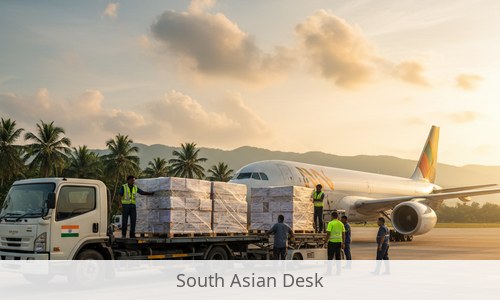
India anti-tuberculosis medicines have been delivered to Sri Lanka as part of a significant humanitarian effort. On September 28, 2026, External Affairs Minister S. Jaishankar confirmed the delivery of 3 tonnes of anti-tuberculosis medicines to Sri Lanka via an Indian Air Force aircraft, underscoring India’s commitment to regional health initiatives and strengthening diplomatic relations between India and Sri Lanka. This action aligns with broader public health South Asia strategies and reflects India’s role in regional health diplomacy.
India anti-tuberculosis medicines: Implications for Regional Health
The shipment highlights the importance of regional cooperation in addressing public health challenges. As South Asia grapples with persistent tuberculosis outbreaks, this assistance reinforces diplomatic ties between India and Sri Lanka. India has long positioned itself as a regional health partner, providing medical aid to neighboring countries through initiatives like the Indian Technical and Economic Cooperation (ITEC) program. This delivery aligns with broader efforts to strengthen healthcare infrastructure across the region, particularly in nations facing resource constraints.
The delivery of India’s anti-tuberculosis medicines to Sri Lanka also underscores the significance of Sri Lankan health aid in combating regional health crises. With South Asia accounting for nearly a quarter of global TB cases, such initiatives are critical for public health in South Asia. India’s health diplomacy, including this shipment, has been instrumental in fostering India-Sri Lanka relations and promoting collaborative solutions to shared health challenges.
Context of India’s Health Diplomacy
India’s health diplomacy extends beyond this single shipment. Over the past decade, the country has supplied vaccines, medical equipment, and expertise to Bangladesh, Nepal, Bhutan, and the Maldives. These efforts are part of a strategic framework to enhance regional stability through public health collaboration. However, challenges remain, including uneven healthcare access and cross-border disease transmission risks. The current delivery to Sri Lanka arrives amid renewed focus on tuberculosis eradication, with South Asia accounting for nearly a quarter of global TB cases.
India’s commitment to regional health initiatives is evident in its consistent support for neighboring countries. The shipment of anti-tuberculosis medicines to Sri Lanka not only addresses immediate health needs but also reinforces long-term partnerships in public health in South Asia. This aligns with India’s broader vision of fostering diplomatic relations between India and Sri Lanka through shared health goals and mutual cooperation.
Strengthening Bilateral Ties Through Health Aid
The delivery of anti-tuberculosis medicines to Sri Lanka is a testament to the deepening India-Sri Lanka relations. This gesture aligns with broader regional health initiatives aimed at reducing the burden of infectious diseases across South Asia. By providing critical medical supplies, India is not only addressing a pressing health need but also reinforcing its role as a reliable partner in public health in South Asia.
Sri Lanka has faced significant challenges in managing tuberculosis due to limited healthcare resources and rising drug-resistant strains. The arrival of the result is expected to bolster local treatment programs and improve patient outcomes. This aid is part of a larger framework of Sri Lankan health aid that includes technical assistance, training for healthcare professionals, and collaborative research on drug-resistant TB.
India’s approach to regional health diplomacy is multifaceted, combining humanitarian aid with strategic partnerships. The shipment to Sri Lanka is one of several initiatives under India’s broader public health South Asia agenda, which includes funding for medical infrastructure, telemedicine projects, and joint research on disease prevention. These efforts are designed to create a more resilient healthcare ecosystem across the region.
Long-Term Impact on Regional Health
The delivery of the result to Sri Lanka is expected to have a lasting impact on regional health outcomes. By addressing the immediate shortage of essential drugs, India is helping to stabilize treatment programs in Sri Lanka, which in turn supports broader public health South Asia goals. This collaboration also sets a precedent for future health partnerships between India and its neighbors.
As South Asia continues to grapple with the dual burden of infectious diseases and healthcare access disparities, initiatives like this shipment highlight the importance of regional solidarity. India’s role in these efforts underscores its commitment to diplomatic relations between India and Sri Lanka and its vision of a healthier, more interconnected South Asia.
Follow SouthAsianDesk on X, Instagram and Facebook for insights on business and current affairs from across South Asia.