voter exclusions in Delhi: Rahul Gandhi raised concerns over voter exclusions in Delhi, highlighting the exclusion of 727 voters from Delhi’s electoral rolls on 2026-09-29. The Indian National Congress leader emphasized the need for accountability in voter registration practices, citing recent deletions from the SIR draft roll as a potential threat to democratic principles. His remarks align with ongoing discussions about electoral integrity India and Rahul Gandhi voter concerns.
Voter Exclusions in Delhi: Gandhi’s Criticism of the Election Commission
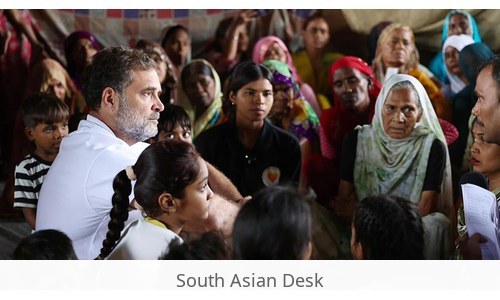
Rahul Gandhi criticized Chief Election Commissioner Gyanesh Kumar, stating that while Kumar “will go,” the systemic flaws enabling voter exclusions in Delhi must also be addressed. During a visit to the JJ cluster in Bela Estate, Gandhi directly questioned the deletion of voters’ names, urging transparency in electoral roll management. His comments underscore Rahul Gandhi voter concerns about the Election Commission response to voter registration issues.
The SIR (Summary of the Electoral Roll) draft roll, a critical document for electoral administration, has been a focal point of contention. Gandhi’s visit to the JJ cluster, a densely populated area in Delhi, highlighted the challenges of maintaining accurate voter records in urban centers with high population mobility. The Election Commission has not yet provided a detailed explanation for the exclusions, though officials have reiterated their commitment to procedural compliance. Analysts note that while the Commission has historically maintained strict adherence to electoral laws, the scale of exclusions in this case has sparked renewed scrutiny.
Implications for Upcoming Elections
The exclusion of 727 voters in Delhi raises concerns about the fairness of upcoming polls, particularly in the context of the result. Historical data shows recurring issues with voter registration issues, particularly in urban areas with transient populations. For instance, a 2022 report by the Election Commission noted that over 1.2 million voters were excluded nationwide due to procedural lapses, with Delhi accounting for a significant share. Analysts warn that such exclusions could disproportionately affect political outcomes, especially in closely contested constituencies. With Delhi elections 2023 approaching, the controversy underscores the need for robust safeguards to ensure electoral inclusivity.
The impact of voter exclusions is not merely procedural but also political. In urban areas like Delhi, where voter turnout is often high and political competition is fierce, even minor exclusions can sway results. Political scientists argue that the current system, which relies heavily on manual verification and periodic updates, is ill-equipped to handle the complexities of modern urban demographics. This has led to calls for digitization and real-time updates to electoral rolls, a proposal that has been floated by several reformist groups but remains unimplemented.
Electoral Integrity and Voter Registration Challenges
The issue of the result has sparked broader debates about electoral integrity India. Experts argue that inconsistent voter registration processes, especially in densely populated regions like Delhi, can lead to systemic disenfranchisement. This situation highlights the importance of modernizing electoral systems to prevent such lapses. The Election Commission response to date has focused on procedural compliance, but critics argue that more proactive measures are needed to address Rahul Gandhi voter concerns.
Technological solutions, such as biometric verification and mobile registration drives, have been proposed to reduce errors in voter rolls. However, implementation has been slow due to bureaucratic inertia and resource constraints. A 2023 parliamentary committee report recommended increasing funding for electoral modernization, but progress has been limited. Meanwhile, the current controversy has reignited demands for greater transparency in how exclusions are identified and resolved.
The Role of Political Leadership in Electoral Reforms
Rahul Gandhi’s public scrutiny of the electoral process reflects a growing demand for transparency in Delhi elections 2023. His visit to Bela Estate’s JJ cluster not only highlighted voter registration issues but also emphasized the need for political leaders to advocate for electoral reforms. This incident has reignited discussions about the balance between administrative efficiency and democratic accountability in electoral integrity India.
Political leaders across the spectrum have increasingly recognized the importance of electoral reforms. While the ruling party has defended the Election Commission’s actions, opposition leaders have called for independent audits of voter rolls. Gandhi’s intervention has added momentum to these debates, with several civil society organizations urging the government to prioritize electoral modernization. The upcoming elections will serve as a litmus test for whether these calls for reform translate into tangible changes.
Follow SouthAsianDesk on X, Instagram and Facebook for insights on business and current affairs from across South Asia.
Sources
- Rahul Gandhi Flags 727 Voter Exclusions In Delhi. What Poll Body Said – ndtv.com
- Rahul Gandhi visits JJ cluster in Bela Estate, questions deletion of voters’ names from SIR draft roll – thehindu.com
Image: th-i.thgim.com