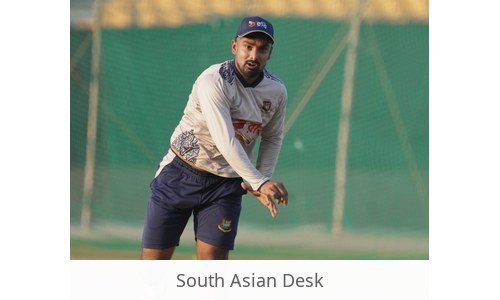
The Asian Games cricket semifinals have seen Bangladesh and Sri Lanka advance to the knockout stages due to weather disruptions, as reported by ESPNcricinfo and the Daily Mirror. This unusual progression has raised questions about the weather impact on sports and the tournament integrity of the Asian Games cricket tournament. Bangladesh secured their semifinal berth through higher seeding, while Sri Lanka’s path was similarly determined by seeding criteria, sparking debates about the cricket seeding criteria and fairness in the competition.
Asian Games cricket semifinals: Impact of Weather on Tournament Integrity
The Asian Games cricket semifinals have faced significant disruptions due to weather, with multiple matches abandoned without being played. Nepal was knocked out after their quarterfinal against Sri Lanka was washed out, as stated by OnlineKhabar. Similarly, Afghanistan’s quarterfinal against India was abandoned without a toss, allowing India to advance based on ICC T20I rankings, reported by Ariana News. These cancellations have sparked debates about the fairness of relying on seeding criteria for knockout stage progression.
The weather impact on sports has been a defining factor in this year’s tournament. Rainouts have not only disrupted schedules but also raised concerns about the tournament integrity. For instance, Bangladesh’s advancement to the Asian Games cricket semifinals was secured through seeding rather than competitive play, a decision that has drawn criticism from fans and analysts alike. The reliance on cricket seeding criteria in such circumstances has become a contentious issue, with some arguing it undermines the spirit of the competition.
Seeding and Its Effects on Knockout Stages
The tournament’s seeding system, which determines match pairings and advancement criteria, has come under scrutiny. Bangladesh’s higher seeding ensured their semifinal berth despite not facing Malaysia, while Sri Lanka’s path to the semifinals was secured through similar seeding advantages. Critics argue that this system may disadvantage teams that rely on actual match performance rather than pre-tournament rankings. However, tournament organizers have defended the approach as a necessary measure to accommodate weather-related disruptions.
The cricket seeding criteria have been a focal point of discussion, particularly in the context of the result. While seeding ensures consistency in the tournament structure, it also raises questions about the fairness of progression for teams like Bangladesh and Sri Lanka, whose advancement was not based on direct competition. This has led to calls for a more transparent and equitable system that balances logistical challenges with sporting integrity.
Reactions from Teams and Fans
Reactions from teams and fans have been mixed. Sri Lankan cricket officials expressed concerns about the lack of competitive play, while Bangladeshi players acknowledged the logistical challenges posed by the weather. Fans on social media have voiced both support for the organizers’ efforts to complete the tournament and frustration over the perceived unfairness of the seeding-based advancement. The situation highlights the ongoing tension between logistical practicality and sporting fairness in weather-affected competitions.
The Bangladesh cricket team has faced scrutiny for their automatic progression to the semifinals, with some fans questioning whether their seeding was justified. Meanwhile, Sri Lanka cricket officials have emphasized the need for a revised format that prioritizes competitive play, even at the cost of delays. These contrasting perspectives underscore the complexity of managing a high-stakes tournament under unpredictable weather conditions.
The abandonment of Nepal’s quarterfinal against Sri Lanka and Afghanistan’s match against India further complicated the tournament’s structure. Nepal’s elimination without a single ball bowled highlighted the unpredictability of weather-driven outcomes, while India’s advancement based on ICC rankings introduced a new layer of debate about the role of pre-tournament metrics in determining knockout stage eligibility. These cases, alongside Bangladesh and Sri Lanka’s seeding-based progression, have intensified discussions about whether the tournament’s format adequately reflects competitive merit.
As the semifinals approach, the focus remains on how the organizers will address these concerns. While some stakeholders advocate for stricter adherence to match-based progression, others argue that the seeding system provides a pragmatic solution to weather-related disruptions. The outcome of the semifinals may ultimately shape the perception of the tournament’s fairness and its ability to adapt to unforeseen challenges.
Follow SouthAsianDesk on X, Instagram and Facebook for insights on business and current affairs from across South Asia.
Sources
- Asian Games Cricket: Bangladesh, Sri Lanka reach semifinals without playing a ball – dailymirror.lk
- Bangladesh to take on Pakistan in semis after another washout – cricinfo.com
- Nepal knocked out of Asian Games cricket after quarterfinal against Sri Lanka washed out – english.onlinekhabar.com
- Afghanistan vs India Asian Games quarter-final abandoned without a toss – ariananews.af
Image: p.imgci.com