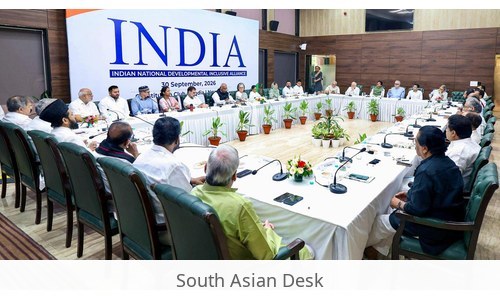
Mallikarjun Kharge, the Congress president, advocated for pre-SIR electoral rolls during the Kharge INDIA bloc meeting, signaling a significant push for electoral reforms India. The proposal, which includes shifting from electronic voting machines (EVMs) to ballot voting in India, aims to enhance transparency in elections and accountability in India’s electoral process ahead of upcoming polls. This move comes amid growing calls for voter inclusion and systemic integrity in a democracy where electoral credibility is paramount.
Pre-SIR Electoral Rolls: Implications of Kharge’s Proposals
Kharge’s advocacy for pre-SIR electoral rolls seeks to address concerns about voter inclusion and electoral integrity. By ensuring that electoral rolls are finalized before the Senior Superintendent of Police (SIR) level, the reform could potentially reduce discrepancies in voter registration. The shift to ballot voting in India, as opposed to EVMs, is framed as a measure to increase public trust in the electoral system. However, the practical challenges of implementing such a change—particularly in a country with vast geographical and demographic diversity—remain to be seen.
The Kharge INDIA bloc meeting highlighted the bloc’s commitment to electoral reforms India, emphasizing the need for a transparent and inclusive electoral framework. Critics argue that while pre-SIR electoral rolls could mitigate voter fraud, the logistical hurdles of transitioning to ballot voting in India would require substantial resources and infrastructure. For instance, rural areas with limited access to polling stations may face significant challenges in adopting paper-based systems. Additionally, the potential for human error in manual counting raises questions about the efficiency of such reforms.
Political Ramifications and Public Sentiment
The INDIA bloc’s focus on electoral reforms India underscores a broader political strategy to position itself as a credible alternative to the ruling party. The proposals may face resistance from opposition groups, particularly those aligned with the current administration, which has long defended the use of EVMs as a secure and efficient system. Analysts note that the timing of these proposals, ahead of critical state elections, could signal an effort to shape the narrative around electoral credibility and governance.
Public sentiment is divided. While some citizens welcome the push for transparency in elections, others express skepticism about the feasibility of ballot voting in India. A recent survey by the Centre for the Study of Developing Societies (CSDS) found that 62% of respondents supported the result, citing concerns about voter fraud. However, 45% of respondents in rural areas expressed doubts about the practicality of ballot voting in India, citing logistical challenges and potential delays in result declaration.
Historical Context and Comparative Analysis
India’s electoral system has evolved significantly since the introduction of EVMs in the 1980s. The transition from paper ballots to EVMs was initially hailed as a step toward reducing malpractice and improving efficiency. However, recent controversies, including allegations of tampering and irregularities in certain states, have reignited debates about the reliability of electronic systems. The Kharge INDIA bloc meeting‘s proposal to revert to ballot voting in India draws parallels to similar debates in other democracies, such as the United States, where paper trails are mandated for EVMs.
The push for the result also aligns with global trends toward enhancing voter inclusion. Countries like Germany and Canada have implemented rigorous voter verification processes to ensure that electoral rolls are accurate and up-to-date. In India, the proposed reforms could help address issues such as duplicate entries and voter suppression, particularly in marginalized communities.
Challenges and the Path Forward
Despite the potential benefits, the implementation of the result and ballot voting in India faces several challenges. The Election Commission of India (ECI) has emphasized the need for a phased approach, starting with pilot projects in select states. This would allow for the identification of bottlenecks and the development of contingency plans. Additionally, the government would need to allocate significant funding for training poll workers, procuring materials, and upgrading infrastructure in remote areas.
The Kharge INDIA bloc meeting has also called for increased collaboration with civil society organizations and technology experts to design a hybrid system that balances transparency in elections with operational efficiency. Such a system could incorporate digital verification tools while retaining the physical ballot as a backup, ensuring both security and accessibility.
Follow SouthAsianDesk on X, Instagram and Facebook for insights on business and current affairs from across South Asia.
Sources
- INDIA bloc meeting: Kharge bats for pre-SIR electoral roll for future polls; voting through ballots instead of EVMs – thehindu.com
- INDIA Bloc’s March To Poll Body Office, Big Rally Plan In ‘Vote Chori’ Push – ndtv.com
Image: th-i.thgim.com