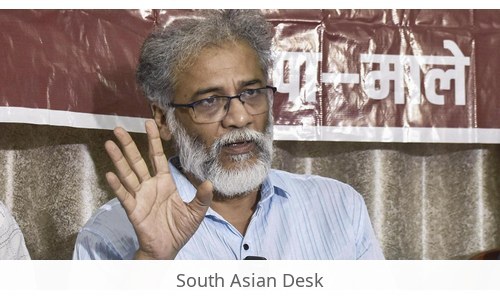
Bihar voter deletions: On October 2, 2026, Dipankar raised concerns during a Jan Sunwai (public hearing) in Patna regarding alleged constitutional violations by the Election Commission, citing significant voter deletions in Bihar. The remarks followed a voter verification survey conducted by Dipankar’s party across ten assembly constituencies, which identified discrepancies in electoral roll data. This issue has sparked a broader debate about electoral integrity in India, with critics arguing that the process risks voter disenfranchisement and undermines democratic principles.
Bihar voter deletions: Voter Deletions and Electoral Integrity
The Election Commission’s Systematic Identification and Removal (SIR) process saw approximately 13 crore names deleted from draft electoral rolls across states and Union Territories. Dipankar’s party has questioned the fairness of this process, arguing that it risks disenfranchising eligible voters and undermining electoral integrity in India. The SIR initiative, aimed at purging duplicate or ineligible entries, has sparked debate over its implementation and transparency. Critics, including Dipankar, have raised Election Commission criticism over the lack of clarity in how voters were identified for deletion, with allegations that the process may have violated constitutional safeguards. These concerns are particularly acute in Bihar, where the voter deletions have raised questions about the accuracy of voter roll management.
Election Commission’s Response
The Election Commission has acknowledged the concerns and announced a special drive to enroll voters excluded by the SIR process. Officials emphasized that the initiative adheres to legal frameworks and aims to ensure accuracy in voter registration. However, Dipankar’s allegations of constitutional violations remain unresolved, with no official clarification on the methodology used to identify and remove voters. This has fueled Dipankar allegations of systemic issues in the electoral process, particularly in Bihar, where voter disenfranchisement concerns are growing. The Election Commission has not yet provided detailed data on the criteria used for deletions, leading to further speculation about the fairness of the process.
Broader Implications for Democracy
The controversy highlights growing concerns about electoral integrity in India, particularly as upcoming elections approach. Voter disenfranchisement, if unaddressed, could affect turnout and electoral outcomes. Maintaining trust in the electoral process is critical for democratic governance, especially in regions like Bihar, where political dynamics are closely contested. The constitutional violations alleged by Dipankar and others underscore the need for transparency in voter roll management to prevent erosion of public confidence. The issue also raises questions about the balance between ensuring electoral accuracy and protecting the rights of eligible voters, a challenge that requires careful policy considerations.
The Role of Transparency and Accountability
Transparency in the electoral process is a cornerstone of democratic governance. The Bihar voter deletions have brought to light the importance of clear communication and accountability from the Election Commission. Without detailed explanations of the SIR process, voters and political actors are left to speculate about the legitimacy of the deletions. This lack of transparency could erode public trust, particularly in regions where electoral integrity is already a contentious issue. The Election Commission’s special drive to enroll excluded voters is a step in the right direction, but it must be accompanied by a comprehensive review of the SIR process to address concerns about Election Commission criticism and Dipankar allegations.
Conclusion
The resulting controversy underscores the delicate balance between maintaining electoral accuracy and ensuring that no eligible voter is disenfranchised. As the Election Commission works to address these concerns, it is imperative that the process remains transparent and that the rights of all voters are protected. The outcome of this debate will have lasting implications for electoral integrity in India and the broader democratic framework.
Follow SouthAsianDesk on X, Instagram and Facebook for insights on business and current affairs from across South Asia.
Sources
- Election Commission making a mockery of the Constitution: Dipankar – thehindu.com
- Election Commission’s Special Drive To Enrol Left-Out Voters Where SIR Is Over – ndtv.com
Image: th-i.thgim.com