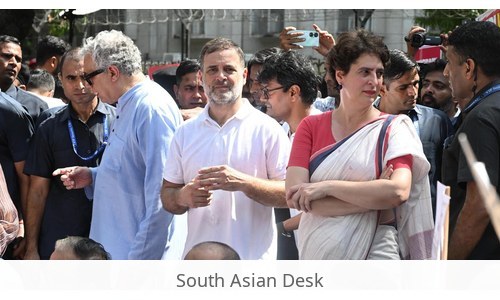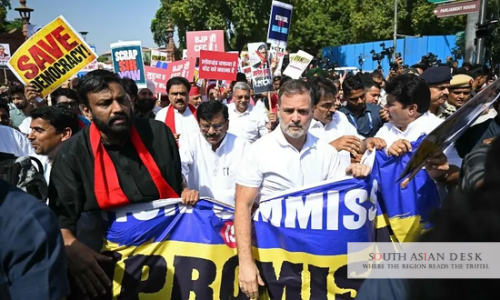
The INDIA bloc protest unfolded on October 6, 2026, as members of the INDIA bloc, including Rahul Gandhi and Priyanka Gandhi, were detained by police during a march to the Election Commission of India (ECI). The protest aimed to demand the resignation of Chief Election Commissioner Gyanesh Kumar amidst heavy security measures. This incident highlights the growing tensions between opposition parties and the Election Commission in India, particularly as the nation approaches the upcoming elections in India.
INDIA bloc protest: Political Context
The INDIA bloc protest reflects ongoing tensions between opposition parties and the Election Commission in India, highlighting the political climate as the country approaches the upcoming elections in India. The INDIA bloc, a coalition of opposition parties, has been vocal about electoral reforms and the need for transparency in the electoral process. This incident underscores the growing discontent among opposition groups regarding the conduct of the Election Commission. The protest also aligns with broader political protests in India that have increasingly focused on civil liberties and electoral integrity. The bloc, comprising parties like the Congress, Shiv Sena, and others, has long criticized the ECI for perceived procedural lapses and lack of accountability. This protest marks a significant escalation in their campaign to hold the ECI to higher standards of transparency and fairness, especially as the electoral cycle nears.
Response from Authorities
The police deployed heavy security measures to manage the protest, with barricading around Parliament and the ECI headquarters. Officials stated that the demonstration was handled in accordance with legal procedures to ensure public safety and order. No official statements were made regarding the detention of the MPs, but the authorities emphasized the importance of maintaining law and order during such events. The use of force raised questions about civil liberties in India, with critics arguing that the response may have been excessive given the peaceful nature of the demonstration. The deployment of security forces, including paramilitary units, underscored the government’s determination to prevent disruptions to the electoral process, which is seen as critical to maintaining stability in the lead-up to the polls.
Role of Opposition Parties
The INDIA bloc protest saw the participation of key opposition leaders, including Rahul Gandhi, who was among those detained during the march. Notably, the DMK and Aam Aadmi Party (AAP) did not participate in the march. This absence may indicate differing strategies among opposition parties regarding how to address electoral issues. The protest could influence future political strategies, potentially leading to increased coordination or divergence among opposition groups. The detention of Rahul Gandhi has further intensified scrutiny on the Election Commission’s role in the upcoming elections. His arrest, while symbolic, may also serve as a rallying point for the bloc to galvanize support and highlight perceived injustices in the electoral framework. The non-participation of the DMK and AAP, each with its own electoral agenda, suggests a fragmented opposition landscape in which tactical decisions are driven by regional and party-specific priorities.
Significance of the Protest
The protest underscores the deepening rift between the opposition and the Election Commission, a body tasked with ensuring free and fair elections. The INDIA bloc’s demand for Gyanesh Kumar’s resignation signals a broader distrust in the ECI’s ability to remain impartial. This distrust is not unfounded, as previous controversies have raised questions about the commission’s independence. The timing of the protest, just months before the general elections, adds urgency to the opposition’s demands. If the ECI is perceived as biased or unresponsive, it could erode public confidence in the electoral process, potentially affecting voter turnout and the legitimacy of the results. The protest also highlights the growing role of opposition leaders in shaping the narrative around electoral reforms, with figures like Rahul Gandhi leveraging their public platform to amplify calls for accountability.
Follow SouthAsianDesk on X, Instagram and Facebook for insights on business and current affairs from across South Asia.