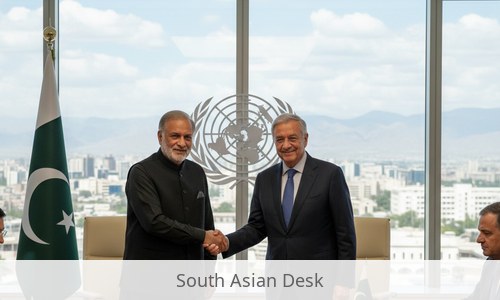
Pakistan Afghanistan relations have remained a focal point of regional diplomacy, especially as Pakistan Prime Minister Shehbaz Sharif met with UN Secretary-General António Guterres on October 8, 2026, to address pressing security concerns. During the meeting, Sharif emphasized the urgent need for international cooperation to combat terrorism in Afghanistan, which continues to pose a threat to regional stability and cross-border terrorism. The discussion underscored the importance of addressing regional security concerns that have long defined the bilateral dynamic between the two nations.
Pakistan Afghanistan relations: Pakistan’s Security Concerns
Pakistan has long contended with regional security concerns stemming from militant activities originating in Afghanistan. Sharif reiterated these challenges during his meeting with Guterres, citing recent incidents linked to Afghan-based militants. The Prime Minister highlighted that such threats not only undermine Pakistan’s national security but also destabilize the broader region, necessitating a coordinated response.
Historical tensions between the two nations have often been exacerbated by cross-border terrorism, with Pakistan accusing Afghan authorities of harboring militant networks. Despite periodic diplomatic engagements, the issue remains a persistent challenge for both countries. Sharif’s remarks underscore the urgency of addressing this issue to prevent further destabilization. The Shehbaz Sharif Guterres meeting provided a platform to reiterate Pakistan’s position on the need for actionable measures to secure its borders and regional stability.
International Response and Cooperation
During the meeting, Sharif called for ‘concrete and verifiable’ actions to combat terrorism in Afghanistan. He emphasized that a peaceful and stable Afghanistan is in Pakistan’s interest and urged the international community to support this objective. The UN Secretary-General acknowledged the importance of regional stability and expressed willingness to facilitate dialogue between the two nations.
The UN’s role in mediating such discussions is critical, given its global influence and mandate to promote peace. However, the effectiveness of such efforts depends on the willingness of regional actors to engage constructively. Sharif’s appeal for international support reflects Pakistan’s reliance on multilateral institutions to address complex security challenges. The Shehbaz Sharif Guterres meeting also highlighted the need for sustained engagement with the Afghan government to ensure that security measures are implemented effectively.
Implications for Pakistan-Afghanistan Relations
Sharif’s statements may have significant implications for Pakistan Afghanistan relations, as the bilateral dynamic hinges on mutual trust and cooperation. While the Prime Minister framed his remarks as a call for collaboration, the Afghan government’s response will be crucial in determining the trajectory of their relationship. If Afghanistan takes concrete steps to address Pakistan’s security concerns, it could pave the way for improved diplomatic ties.
However, historical mistrust and competing regional interests may hinder progress. The international community’s role in facilitating dialogue and ensuring accountability will be pivotal. As the situation evolves, the focus will remain on whether both nations can translate diplomatic rhetoric into actionable outcomes. The Shehbaz Sharif Guterres meeting serves as a reminder of the delicate balance required to maintain stability in the region.
Historical Context and Regional Dynamics
The Pakistan Afghanistan relations have been shaped by decades of complex interactions, from the Soviet-Afghan War to the post-2001 conflict. Pakistan’s strategic interests in Afghanistan have often clashed with regional dynamics, particularly with the rise of groups like the Taliban and the resurgence of militant networks. The current situation echoes past challenges, where cross-border terrorism has repeatedly tested the resilience of both nations.
The UN Secretary-General has long advocated for a comprehensive approach to regional security, emphasizing that lasting peace in Afghanistan requires addressing root causes such as poverty, governance, and external interference. Sharif’s meeting with Guterres aligns with this vision, reinforcing the need for a unified front against terrorism in Afghanistan.
Conclusion
The Shehbaz Sharif Guterres meeting underscores the critical importance of international cooperation in addressing regional security concerns and cross-border terrorism. As Pakistan and Afghanistan navigate their complex relationship, the role of multilateral institutions like the UN remains indispensable. The path to stability will require sustained dialogue, mutual trust, and a shared commitment to regional peace.
Follow SouthAsianDesk on X, Instagram and Facebook for insights on business and current affairs from across South Asia.