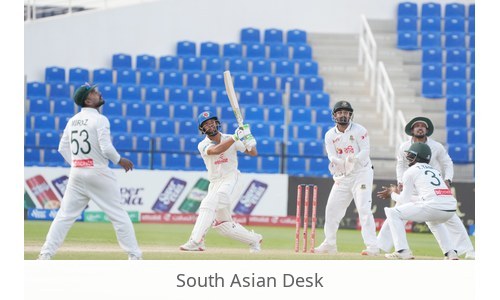
Bangladesh Afghanistan Test match: On October 13, 2026, the Bangladesh-Afghanistan Test match concluded in a draw after Afghanistan survived 142 overs in their second innings at the Abu Dhabi Cricket Stadium. Bangladesh captain Shanto acknowledged the result, stating, “I think we ended up drawing the game due to the small mistakes.” The match, which took place in the United Arab Emirates, highlighted the competitive nature of cricket in South Asia, where teams like Bangladesh and Afghanistan are vying for greater recognition on the international stage. This Bangladesh-Afghanistan Test match underscored the growing intensity of cricket in the region, with both nations striving to establish themselves as consistent performers in Test cricket.
Bangladesh Afghanistan Test match: Shanto’s Reflections on Missed Opportunities
Shanto’s comments on the draw underscore critical moments in the match where Bangladesh could have capitalized on opportunities to secure a victory. The captain emphasized that minor errors in execution and decision-making during key phases of the game ultimately led to the draw. Analysts note that Bangladesh’s failure to capitalize on Afghanistan’s batting collapse in the first innings created a challenging scenario for their bowlers in the second. This result raises questions about Bangladesh’s future in cricket, particularly about maintaining consistency across all phases of Test matches. The Bangladesh-Afghanistan Test match serves as a reminder of the need for tactical precision and mental resilience in high-stakes encounters.
Shanto’s reflections also point to specific instances where Bangladesh’s strategy could have shifted the match’s outcome. For instance, the team had opportunities to take crucial wickets during Afghanistan’s innings but failed to convert those chances into tangible results. The pressure of the match situation may have contributed to these lapses, highlighting the psychological aspect of Test cricket that often plays a pivotal role in determining the outcome of closely contested games.
Sediqullah Atal’s Impactful Performance
Afghanistan’s defense was anchored by Sediqullah Atal, who scored 111 runs off 332 balls. His resilient innings was pivotal in securing the draw, as he navigated through Bangladesh’s bowling attack with calculated aggression. Atal’s performance underscored Afghanistan cricket’s growing capabilities in Test cricket, particularly in high-pressure situations. His ability to anchor the innings under pressure reflects the team’s evolving strength in longer formats. The Sediqullah Atal performance was a testament to Afghanistan’s ability to compete at the highest level, even against a determined Bangladesh side.
Atal’s innings not only provided stability to the Afghan batting lineup but also showcased his skill in building partnerships with other batsmen. This aspect of his game is crucial for Afghanistan as they continue to develop their Test cricket credentials. His performance serves as an inspiration for younger players in the team, demonstrating the importance of perseverance and focus in challenging circumstances.
Implications for Bangladesh’s Future
The result serves as a microcosm of the broader challenges facing Bangladesh cricket. Shanto’s reflections suggest a need for the team to refine their approach in high-stakes matches, particularly in maintaining consistency across all phases of the game. The result also highlights the importance of mental resilience and tactical adaptability in Test cricket. As Bangladesh looks to the future, the draw underscores the need for strategic improvements to compete effectively in the increasingly competitive landscape of cricket in South Asia. The result has become a pivotal moment for Bangladesh to reassess their strategies and build upon their strengths.
The lessons learned from this match could be instrumental as Bangladesh prepares for future encounters. Emphasizing the importance of learning from mistakes, Shanto’s insights may lead to a renewed focus on training and preparation, ensuring that the team is better equipped to handle pressure situations in upcoming matches.
The Broader Context of Cricket in South Asia
Cricket in South Asia has seen a surge in competitiveness, with teams like Bangladesh and Afghanistan emerging as formidable forces. The result exemplifies this trend, showcasing the high standards of play and the fierce rivalry between these nations. As both teams continue to develop, the region’s cricketing landscape is set to become even more dynamic. The performance of players like Shanto and Atal highlights the depth of talent in South Asia, which is crucial for the future of the sport in the region.
As cricket evolves in South Asia, the rivalry between Bangladesh and Afghanistan is likely to intensify, with both teams aiming for greater success on the international stage. The outcomes of matches like this one will play a significant role in shaping the future of cricket in the region, as both nations strive to improve their standings in the world of cricket.
Follow SouthAsianDesk on X, Instagram and Facebook for insights on business and current affairs from across South Asia.
Sources
- ‘We should have taken all ten wickets’ – Shanto rues missed chances – cricinfo.com
- Afghanistan hold Bangladesh to dramatic draw in Abu Dhabi Test – ariananews.af
Image: p.imgci.com