Prime Minister’s Youth Loan Scheme has undergone a significant expansion, with Prime Minister Shehbaz Sharif approving an increase in the maximum personal loan limit from Rs7.5 million to Rs25 million and lowering the minimum eligibility age from 21 to 18 years. The changes are intended to widen access to financing, encourage youth entrepreneurship and increase young people’s participation in Pakistan’s business and agricultural sectors.
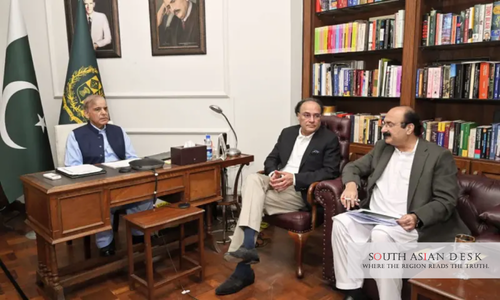
The decisions were announced following a meeting chaired by the prime minister on Sunday to review the progress and implementation of the Youth Business and Agriculture Loan Schemes. According to the Prime Minister’s Office, the government has allocated Rs292 billion for youth financing during the current financial year, reflecting its continued emphasis on promoting entrepreneurship and economic participation among young people.
The revised loan limit will allow eligible applicants to seek substantially larger amounts of financing for business ventures and agricultural activities. The prime minister also directed that the loans be provided through easy instalments, with the objective of making financial assistance more accessible to aspiring entrepreneurs.
Prime Minister’s Youth Loan Scheme Raises Maximum Financing to Rs25 Million
One of the most significant changes to the Prime Minister’s Youth Loan Scheme is the increase in the maximum personal loan limit from Rs7.5 million to Rs25 million. The revised ceiling represents a substantial expansion of the financing available under the government’s youth business and agriculture initiatives.
The increase is particularly relevant for young entrepreneurs seeking to establish or expand businesses that require considerable initial investment. Access to financing remains a major obstacle for many aspiring business owners in Pakistan, particularly those who lack sufficient personal savings or conventional collateral arrangements.
By increasing the available loan limit, the government aims to provide young people with greater financial capacity to pursue commercial and agricultural ventures. The prime minister has also emphasised the importance of providing loans through manageable instalments, although the specific repayment arrangements and applicable terms will remain important considerations for prospective applicants.
The scheme has previously provided financial assistance to hundreds of thousands of young Pakistanis. During the meeting, officials informed the prime minister that 581,341 individuals had received loans worth approximately Rs313.9 billion since January 2023.
These figures indicate the scale of the government’s existing youth financing programme and its role in facilitating access to capital. However, the effectiveness of the expanded scheme will ultimately depend on whether the additional financing translates into sustainable businesses, employment opportunities and productive economic activity.
Youth Loan Scheme Opens Applications to 18-Year-Olds
Another important development is the reduction of the minimum eligibility age from 21 to 18 years. The decision extends the potential reach of the Youth Business and Agriculture Loan Schemes to a younger segment of the population, allowing individuals to pursue entrepreneurial opportunities earlier in their professional lives.
Previously, the minimum age requirement excluded many young adults who had reached legal adulthood but did not yet qualify for the programme. By lowering the threshold, the government intends to encourage young people to explore business ownership and agricultural activities without having to wait until their early twenties.
The change could also create opportunities for individuals who have recently completed their education or acquired technical and vocational skills. Rather than relying exclusively on traditional employment opportunities, eligible young people may be able to use financing to establish independent business ventures.
Nevertheless, access to credit alone cannot guarantee entrepreneurial success. Young applicants will also require financial literacy, business planning skills, market awareness and adequate institutional support to ensure that borrowed funds are used productively.
Recognising these requirements, Prime Minister Shehbaz Sharif directed the Small and Medium Enterprises Development Authority (SMEDA) to provide comprehensive assistance to applicants. This includes business start-up guidance, consultancy services and technical support to help young entrepreneurs establish and manage their ventures.
Government Reserves 30pc of Youth Loans for Women
The expansion of the youth financing programme also includes a specific provision aimed at increasing women’s economic participation. Prime Minister Shehbaz Sharif directed that 30 per cent of the loans under the schemes be allocated to women, with the stated objective of supporting their financial independence and encouraging greater participation in business activities.
The allocation is particularly significant in the context of the challenges faced by women entrepreneurs in Pakistan. Limited access to financing, difficulties in securing collateral and restricted opportunities for business development can prevent women from establishing or expanding independent ventures.
Reserving a portion of the available financing for women could help address some of these barriers by improving their access to institutional credit. It also signals an effort to make youth entrepreneurship programmes more inclusive rather than allowing financing opportunities to remain concentrated among applicants with comparatively greater access to financial resources.
However, the impact of this provision will depend on its implementation. Ensuring that women can access the loans without unnecessary administrative obstacles, while receiving adequate business development support, will be essential to achieving the intended results.
Rs292 Billion Allocated for Youth Business and Agriculture Loans
The government has allocated Rs292 billion for disbursement under the Youth Business and Agriculture Loan Schemes during the financial year 2026-27. According to the briefing presented at the meeting, approximately 266,700 young people are expected to benefit from the allocation.
The scale of the proposed disbursement reflects the government’s intention to use youth financing as a means of encouraging economic activity and supporting small businesses. Agriculture remains particularly important in this regard, given the sector’s contribution to Pakistan’s economy and its capacity to provide employment and entrepreneurial opportunities in rural communities.
The programme is also intended to support small and medium-sized enterprises, which play an important role in generating employment and facilitating economic activity. Access to affordable financing can help businesses acquire equipment, expand operations, improve productivity and establish more sustainable commercial activities.
Alongside financial assistance, SMEDA’s involvement is expected to provide applicants with guidance on business development and technical requirements. The prime minister also called for greater awareness of the available schemes so that eligible young people across the country could benefit from the opportunities.
Can Youth Financing Strengthen Pakistan’s Economy?
The expansion of the Youth Business and Agriculture Loan Schemes comes at a time when employment generation, private investment and economic participation remain important policy priorities for Pakistan. With a large young population entering the labour market, creating opportunities beyond conventional salaried employment is an important component of the country’s broader economic development strategy.
Youth entrepreneurship can contribute to economic growth by encouraging innovation, supporting small businesses and generating employment. Similarly, greater access to agricultural financing could help young people participate in a sector that remains central to Pakistan’s economy.
However, the success of the expanded programme cannot be measured solely by the amount of money disbursed or the number of beneficiaries. Its longer-term impact will depend on whether recipients can establish viable businesses, generate sustainable income and repay their loans without falling into financial difficulty.
Transparent lending procedures, effective monitoring and accessible business advisory services will therefore remain essential. The government will also need to ensure that financing reaches deserving applicants across different regions and economic backgrounds.
The latest changes represent a significant expansion of Pakistan’s youth financing initiative, particularly through the increased loan ceiling, lower minimum age and dedicated allocation for women. Whether these measures translate into meaningful economic opportunities will depend on their implementation and the government’s ability to provide young entrepreneurs with the institutional support needed to turn financial assistance into sustainable economic activity.
Follow SouthAsianDesk on X, Instagram and Facebook for insights on business and current affairs from across South Asia.
Read More: