Cyclone Montha destruction struck Andhra Pradesh near Kakinada on Tuesday evening, October 28, 2025, killing one woman and destroying crops across thousands of hectares, with heavy rains and winds up to 110 kmph battering coastal districts. Officials evacuated 76,000 residents as the storm triggered flooding and landslides. How will recovery unfold amid October’s harvest season?
The fury of Cyclone Montha underscores the escalating vulnerability of South Asia’s coastal belts to climate-driven storms, where a single event can wipe out livelihoods for millions of smallholder farmers reliant on monsoon crops. In Andhra Pradesh, a key rice and horticulture hub, the destruction amplifies food security risks and strains regional economies already grappling with erratic weather patterns.
Cyclone Montha One Dead, Crops Destroyed
Cyclone Montha made landfall between Machilipatnam and Kalingapatnam around 7 pm on October 28, 2025, packing sustained winds of 90-100 kmph that gusted to 110 kmph. The India Meteorological Department (IMD) classified it as a severe cyclonic storm before it weakened into a cyclonic storm by early Wednesday, October 29. In Andhra Pradesh, the storm’s path carved a trail of devastation through seven coastal districts: Krishna, Eluru, East and West Godavari, Kakinada, Dr BR Ambedkar Konaseema, and parts of Alluri Sitarama Raju.
One fatality marked the human cost. An elderly woman died in Konaseema district when a tree crashed onto her home amid gale-force winds. Two others, a boy and an auto driver suffered injuries from uprooted coconut trees in the same area. State disaster response teams rushed the victims to nearby hospitals, where they received treatment for non-life-threatening wounds.
Agricultural losses dominate the damage ledger. Officials report that standing crops spanning 38,000 hectares lie ruined, while horticultural fields across 1.38 lakh hectares face total wipeout. Paddy fields in low-lying areas flooded under relentless downpours, submerging vegetable patches and fruit orchards. The IMD’s post-landfall assessment highlights inundation as a primary culprit, with saline water intrusion threatening soil salinity for the next planting cycle.
“Farmers in affected districts have lost their entire October yield,” said a spokesperson for the Andhra Pradesh Agriculture Department in a statement released via the state’s official portal. “We estimate preliminary losses at INR 500 crore, with full surveys underway to quantify the hit on rice, chillies, and mangoes.” This figure aligns with government data projecting impacts on over 1,400 villages and 44 towns, where smallholders predominate.
Andhra Pradesh Storm Damage October: Infrastructure and Evacuations
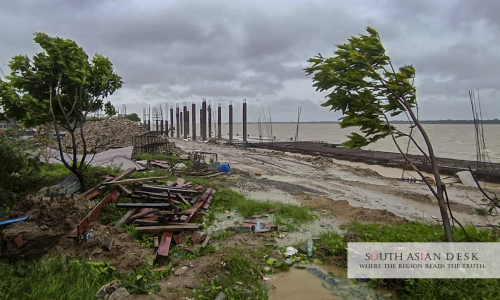
Beyond fields, Cyclone Montha one dead crops destroyed narrative extends to battered infrastructure. Fallen trees blocked key roads in Visakhapatnam and Kakinada, stranding vehicles and halting traffic for hours. Landslides in hilly tracts near Alluri Sitarama Raju district dislodged boulders onto highways, while flash floods swelled rivers in East Godavari. A vehicle in Visakhapatnam remained pinned under a toppled tree until earthmovers cleared it at dawn on Wednesday.
The state government mobilised swiftly. Ahead of landfall, authorities imposed a vehicular curfew across the seven districts and evacuated nearly 76,000 people to 1,200 relief shelters. By Wednesday, October 29, 2025, over 219 medical camps operated, distributing aid to 50,000 residents. Teams deployed 1,447 earthmovers, 321 drones for aerial surveys, and 1,040 chainsaws to tackle debris.
Chief Minister N Chandrababu Naidu reviewed the situation from the State Emergency Operations Centre. “Our priority remains restoring normalcy and supporting those hit hardest by Cyclone Montha destruction Andhra Pradesh,” he stated in a press release on the National Portal of India. Naidu urged NDA MPs and MLAs to rally community resources, emphasising coordination with the National Disaster Management Authority (NDMA).
Transport networks reeled. South Central Railway cancelled 120 trains, with East Coast Railway diverting 20 more services through Wednesday morning. Airports reported chaos: 32 flights grounded at Visakhapatnam, 16 at Vijayawada, and four at Tirupati. Power outages affected 2.5 lakh households, though crews restored 80 per cent by midday, per state electricity board updates.
In neighbouring Odisha, the storm’s fringes spared no mercy, though impacts paled against Andhra’s. Heavy rains triggered landslides in five districts, Malkangiri, Koraput, Rayagada, Gajapati, and Ganjam blocking roads with debris. One injury stemmed from a house collapse in Gajapati. Odisha Chief Minister Mohan Charan Majhi oversaw evacuations of 11,000 people into 2,048 cyclone shelters, closing schools and anganwadi centres until October 30.
The IMD’s bulletins, issued hourly from its Cyclone Warning Division, guided these efforts. “Cyclone Montha will weaken into a deep depression as it tracks northwest inland, bringing isolated heavy rains to Telangana and interior Karnataka,” read the latest release at 2 pm on October 29. Red and orange alerts lingered for Andhra Pradesh and Odisha, forecasting downpours up to 20 cm in 24 hours.
Background: Cyclone Montha’s Formation and Path
Cyclone Montha brewed in the Bay of Bengal, intensifying from a low-pressure area tracked by the IMD since October 25, 2025. Satellite imagery showed a well-defined eye wall by Monday, prompting early warnings for Andhra Pradesh storm damage October. The storm’s unusual October timing outside the typical November peak signals shifting patterns linked to warmer sea surface temperatures, experts note in IMD archives.
Historical parallels evoke memories of Cyclone Hudhud in 2014, which flattened Visakhapatnam with similar winds. Yet Montha’s compact size limited its reach, sparing inland Tamil Nadu and West Bengal from severe gales. Government preparedness, honed by annual drills, mitigated worse outcomes: no mass drownings reported, unlike flash floods in prior events.
Data from the NDMA’s Cell Broadcast Alert System proved pivotal. Activated across Andhra Pradesh and Odisha, it beamed real-time warnings to mobiles, reaching 90 per cent penetration in coastal zones. “Technology bridges gaps in remote areas,” the NDMA posted on X (formerly Twitter) at 1:20 pm on October 28. This layer complemented traditional sirens and village broadcasts.
Economic ripples extend to fisheries, where 5,000 boats stayed docked, costing daily wages for 20,000 labourers. Horticulture losses hit hardest in Godavari deltas, famed for global exports of prawns and spices. A rapid assessment by the Andhra Pradesh Disaster Management Authority pegs infrastructure repair at INR 200 crore, with crop insurance claims expected to surge.
What’s Next: Recovery Amid Lingering Rains
Restoration ramps up as Cyclone Montha fades. The state aims to clear all roads by Thursday, October 30, with drone teams mapping flooded farmlands for targeted aid. Central teams from the Ministry of Home Affairs arrive Friday to evaluate damages, unlocking funds from the National Calamity Contingency Fund.
Farmers eye relief packages: subsidised seeds for rabi sowing and interest waivers on loans. “We stand ready to rebuild stronger,” Naidu affirmed, pledging INR 1,000 crore in immediate assistance. Yet challenges persist, residual moisture risks fungal outbreaks in paddy remnants, per agriculture ministry advisories.
As alerts ease, communities in Andhra Pradesh brace for normalcy. The IMD forecasts scattered showers through the weekend, a reminder that Cyclone Montha destruction Andhra Pradesh, though contained, exposes cracks in resilience. Long-term, investments in mangrove buffers and early warning tech could shield South Asia’s shores from future assaults.
In Konaseema, where the lone victim resided, locals gathered Wednesday to mourn and mend. “The winds took much, but not our spirit,” one farmer shared anonymously, echoing a resolve that defines coastal life.
Published in SouthAsianDesk, October 29th, 2025
Follow SouthAsianDesk on X, Instagram, and Facebook for insights on business and current affairs from across South Asia.