

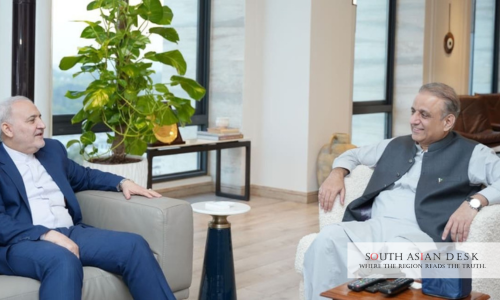
Pakistan and Iran signed a trade agreement on Saturday to enhance Pakistan Iran border trade. The deal targets USD 10 billion in annual volume. Officials met in Quetta. They formed a joint committee. Focus areas include connectivity and economic ties.
This agreement bolsters South Asia’s economic mosaic. Pakistan gains access to Central Asian markets via Iran. Iran taps Pakistani ports for exports. The pact counters isolation from global sanctions. It fosters stability in volatile Balochistan. Regional trade could rise 20%. Neighbours like Afghanistan benefit from spillover routes.
Pakistan Iran Border Trade
Delegates hailed the move as a “new chapter” in Pakistan Iran economic ties. The joint committee met on October 31. It comprises five members from each side. Mandates include tariff reductions and market openings. Current bilateral trade stands at USD 2.5 billion. That figure dipped 15% last year due to border closures.
Iran’s Ambassador to Pakistan Reza Amiri Moghaddam addressed the gathering. “This strengthens our fraternal bonds,” he said in the official readout. The statement appeared on Iran’s Ministry of Foreign Affairs website. It emphasised mutual benefits in energy and agriculture.
Pakistan’s Commerce Ministry released data showing potential in fruits and textiles. Iran seeks Pakistani rice and mangoes. Pakistan eyes Iranian petrochemicals. Barter mechanisms feature prominently. They bypass dollar fluctuations. A pilot scheme launches in 2026 for 10 border points.
Challenges persist. US sanctions limit banking links. Yet digital platforms offer workarounds. The State Bank of Pakistan approved crypto trials for cross-border payments last month. This innovation could double trade efficiency.
South Asian intent drives searches for such pacts. Users query stability amid geopolitical shifts. The deal aligns with China’s Belt and Road. Gwadar port integrates with Chabahar. That duo handles 50 million tonnes yearly combined.
Iran Pakistan Connectivity Boost
Infrastructure drives the Iran Pakistan connectivity boost. A USD 500 million road project links Quetta to Zahedan. Completion slated for 2027. It cuts transit time by 40%. Rail extensions follow. The Quetta-Taftan line upgrades to handle 1 million tonnes of cargo annually.
Officials discussed fibre optic cables too. They enable digital trade corridors. Pakistan Telecommunication Authority data indicates 30% bandwidth increase needed. The pact allocates PKR 10 billion for feasibility studies.
Balochistan emerges central. Five new markets open along the 900km border. Mand markets in Panjgur and Mand host weekly bazaars. Local traders expect 20,000 jobs. Iranian dates and saffron flow in. Pakistani handicrafts go out.
The Economic Cooperation Organisation (ECO) endorses the push. Its secretariat in Tehran issued a statement on November 1. “Iran Pakistan connectivity boost vital for regional prosperity,” it read. The release linked to ECO’s trade portal.
Floods and militancy delayed past efforts. But security pacts with joint patrols resume. Army chiefs coordinated last week. That ensures safe convoys.
Pakistan Iran Trade Agreement
The Pakistan Iran trade agreement outlines phased implementation. Phase one targets USD 5 billion by 2028. Duties drop 50% on 100 items. A memorandum of understanding (MoU) covers dispute resolution. Arbitration seats in neutral Oman.
Data from Iran’s Customs Administration shows 60% trade imbalance. Pakistan imports more. The agreement balances via quotas. Livestock exports from Iran cap at 100,000 heads yearly.
Energy swaps feature. Iran supplies gas via pipeline stubs. Pakistan offers electricity from hydropower. Volumes reach 500 megawatts initially. This eases Iran’s summer shortages.
Afghan traders gain indirect access. The trilateral route via Chaman boosts volumes 25%. SAARC observers note synergies with Indian Ocean trade.
Critics flag environmental risks. Dust from trucks could harm Makran coast ecosystems. Mitigation plans include green corridors. Afforestation targets 10,000 hectares.
Youth exchanges tie in. Vocational training for 5,000 border youth starts next year. Focus on logistics and e-commerce.
Background
Bilateral ties date to 1947. Trade peaked at USD 3 billion in 2015. Sanctions halved it. The 2016 gas pipeline stalled at 80% complete. Recent thaws under new leadership revive hopes.
Pakistan’s exports to Iran: USD 800 million in 2024. Imports: USD 1.7 billion. Key sectors: cement, steel. Iran’s strengths: machinery, chemicals.
Geopolitics shapes dynamics. US-Iran tensions spill over. Yet neutral forums like ECO shield progress.
What’s Next
Implementation committees convene monthly. First border market opens in December. Donors from Turkey fund rail links. Monitoring via joint dashboards tracks targets.
Digital platforms launch by mid-2026. They handle visas and clearances online. Success hinges on sanction waivers. Islamabad lobbies Washington.
The Pakistan Iran border trade pact signals resilience. It weaves economies closer amid global headwinds. Sustained effort could redefine South Asian commerce.
Published in SouthAsianDesk, November 2nd, 2025
Follow SouthAsianDesk on X, Instagram, and Facebook for insights on business and current affairs from across South Asia.
