Nepal’s Supreme Court has issued an interim order blocking the recall of 11 ambassadors, delivering a major blow to Interim Prime Minister Sushila Karki’s reform agenda amid mounting political pressures.
Nepal Supreme Court halts ambassador recall of 11 envoys appointed by the previous government, issuing an interim order that preserves diplomatic continuity and challenges the authority of Karki‘s interim administration.
Nepal SC Interim Order Delivers Setback to Interim PM Karki
Nepal’s Supreme Court halted the recall of 11 ambassadors on Sunday, November 2, 2025. The bench of Justices Sharanga Subedi and Shrikanta Paudel issued the interim order in Kathmandu. This decision responds to a writ petition filed by advocates Pratibha Upreti and Sunil Bhattarai. The petitioners named the Office of the Prime Minister and Council of Ministers as respondents.
The court found the government’s action lacked justification. It noted the ambassadors had remaining terms in office. The Council of Ministers provided no specific reasons for the recalls. The government also failed to plan for filling the vacancies. As an interim body, Karki’s administration focuses on elections by March 5, 2026. The order prevents enforcement of the October 6 cabinet decision until further hearings.
This Nepal Supreme Court halts ambassador recall marks a direct check on executive power. It underscores constitutional limits during transitional governance. The ruling ensures the envoys remain in their posts. They must continue duties without interruption.
Communications Minister Jagdish Kharel confirmed the government’s stance. “The government will respect the order of the Supreme Court,” he stated. This affirmation highlights judicial supremacy in Nepal’s fragile democracy.
Independent lawyer Ananta Raj Luitel, who supported the challenge, explained the outcome. “The government could not justify its charges against the ambassadors in the court,” Luitel told reporters. All 11 envoys will work as usual, he added.
Background: Anti-Corruption Protests Spark Karki’s Rise
The controversy stems from Nepal’s turbulent September 2025. Deadly protests erupted in early September. The Gen Z movement, led by young activists, demanded anti-corruption reforms. Demonstrators targeted officials appointed under former Prime Minister K.P. Sharma Oli.
The unrest claimed 76 lives and injured over 1,300 people. Protesters stormed government buildings in Kathmandu and other cities. They accused Oli’s administration of graft and nepotism. The violence forced Oli’s resignation. President Ram Chandra Paudel then appointed Sushila Karki on September 25, 2025.
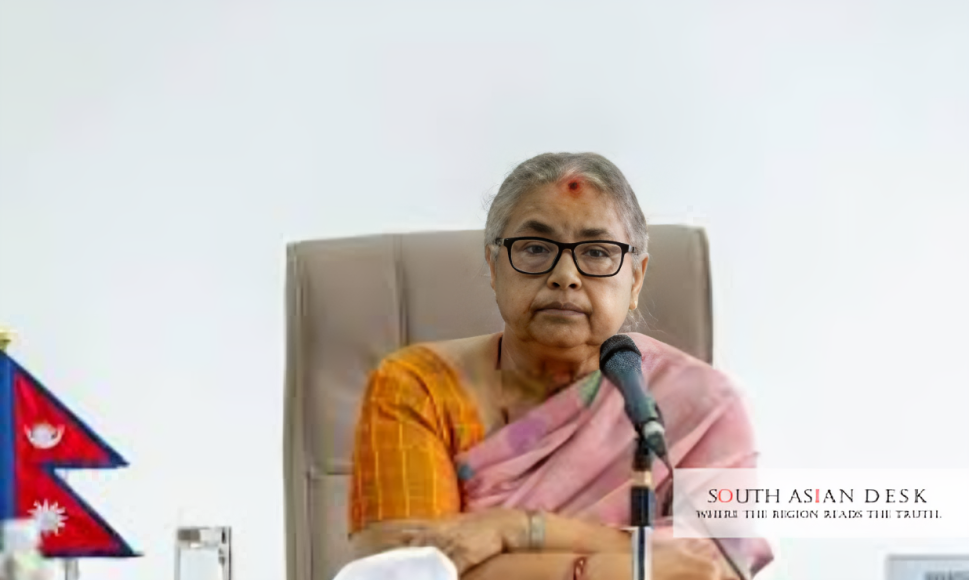
Karki, 73, became Nepal’s first female prime minister. A former chief justice, she leads a lean cabinet of reformists. Her mandate centres on stability and polls. Yet, Gen Z pressures persist. Activists demand dismissals of Oli-era appointees, including the anti-corruption chief.
In response, Karki’s cabinet targeted the ambassadors on October 6. Officials cited poor performance, anti-government remarks, and financial lapses. The envoys, mostly political picks by Oli, faced a November 6 return deadline. This Nepal SC interim order 11 envoys now blocks that move.
Political analyst Puranjan Acharya views the ruling as a double-edged sword. “She recalled the ambassadors under pressure from the Gen Z people fully aware that it would be difficult for the government to defend it in the court,” Acharya said. “But in the long run this will help her resist more pressure.”
Karki herself defended the action earlier. In a meeting with editors, she said the recall was necessary in certain cases. This court stay exposes vulnerabilities in her strategy.
The 11 Envoys: Key Diplomatic Posts at Stake
The Nepal Supreme Court halts ambassador recall affects critical postings. The envoys represent Nepal in major global hubs. Their sudden removal risked diplomatic vacuums. This could harm trade, aid, and security ties.
Here are the affected diplomats:
- China: Krishna Prasad Oli
- Germany: Dr. Shail Rupakheti
- Israel: Dr. Dhan Prasad Pandit
- Qatar: Ramesh Chandra Paudel
- Russia: Junga Bahadur Chauhan
- Saudi Arabia: Naresh Bikram Dhakal
- Spain: Sanil Nepal
- United Kingdom: Chandra Kumar Ghimire
- United States: Lok Darshan Regmi
- Japan: Dr. Durga Bahadur Subedi
These roles handle vital interests. Nepal relies on remittances from Gulf states like Qatar and Saudi Arabia. They support over 2 million migrant workers. Remittances hit USD 10 billion in 2024, per central bank data.
In China, the envoy manages Belt and Road projects. Investments total USD 500 million since 2018. The US posting oversees development aid, worth USD 100 million annually. UK ties focus on education and climate funds. Japan aids infrastructure, with grants exceeding JPY 50 billion yearly.
The interim order preserves these links. It averts potential disruptions in ongoing talks. For instance, Nepal negotiates hydropower deals with China. Gulf envoys secure labour protections. This Nepal SC interim order 11 envoys thus safeguards economic lifelines.
Critics argue the recalls were selective. Only Oli appointees faced scrutiny. No career diplomats were targeted. This fuels claims of political vendetta. The petitioners invoked Articles 282 and 292 of the Constitution. These require parliamentary vetting for appointments. In the dissolved House era, such moves lack legitimacy, they contended.
Implications for South Asia: Stability Amid Regional Flux
This story resonates beyond Nepal. South Asia grapples with democratic transitions. Nepal’s Nepal Supreme Court halts ambassador recall reinforces judicial independence. It echoes India’s Supreme Court interventions in executive overreach. In Bangladesh, recent unrest toppled a regime, mirroring Gen Z’s role here.
Regionally, Nepal balances India and China influences. Stable diplomacy prevents proxy frictions. The envoys to Beijing and Delhi (though Delhi not recalled) shape hydropower pacts. India supplies 70% of Nepal’s petroleum. China funds 40% of infrastructure.
Karki’s setback tests her reform credentials. Gen Z eyes further wins, like ousting the anti-corruption head. Failure could reignite protests. Success might bolster her election push.
Economically, uninterrupted postings aid recovery. Nepal’s GDP grew 4.2% in 2024, per World Bank. Tourism and remittances drive it. Vacancies could stall visa processes and investments.
Internationally, allies watch closely. The US praised Karki’s appointment for gender milestone. Yet, it urged inclusive governance. China seeks continuity in projects. The UK and EU stress human rights post-protests.
In Kathmandu, streets remain calm. But analysts warn of simmering tensions. Acharya predicts the ruling empowers Karki long-term. It shields her from populist demands. Still, the court stay highlights interim PM Karki setback court stay risks.
Diplomatic Norms and Governance Challenges
The episode spotlights ambassadorial tenure norms. Globally, political envoys serve 2-3 years. In Nepal, Oli’s picks averaged 18 months. Recalls mid-term invite lawsuits, as seen here.
Karki’s cabinet, with eight members, prioritises polls. It dissolved parliament on August 15, 2025, triggering the crisis. Fresh votes loom, but delays breed instability.
Gen Z, born post-1997, mobilised via social media. Their 2025 uprising drew 500,000 participants, per police data. It exposed Oli’s USD 200 million scandal allegations. Karki vowed probes, but progress lags.
This Nepal SC interim order 11 envoys tests her resolve. Judicial pushback may deter rash reforms. Yet, it upholds rule of law, vital for investor confidence.
What’s Next: Hearings and Election Pressures
The Supreme Court schedules full hearings soon. The government must submit detailed justifications. Outcomes could affirm or lift the stay. Envoys prepare return briefs, but postings hold.
Karki focuses on voter rolls and security. Gen Z vows monitoring. International observers, from UN and EU, arrive in January 2026.
Ultimately, this Nepal Supreme Court halts ambassador recall shapes Nepal’s path. It blends judicial restraint with reform zeal, eyeing a stable South Asian neighbour.
Published in SouthAsianDesk, November 3rd, 2025
Follow SouthAsianDesk on X, Instagram, and Facebook for insights on business and current affairs from across South Asia.