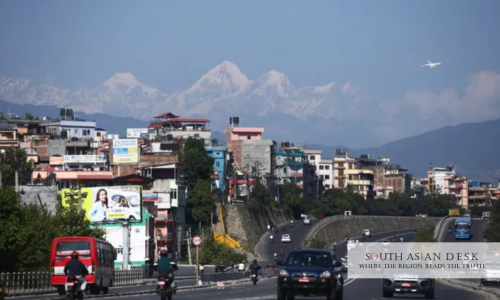
An avalanche swept through the base camp of Mount Yalung Ri in Nepal on Monday morning, killing seven climbers and injuring four others in a group of 15. The incident occurred around 8:30 a.m. in the Rolwaling Valley of Dolakha District, eastern Nepal, triggered by heavy snowfall. Rescue teams face delays due to poor visibility and snowstorms, with four climbers still missing as searches resume today.
This disaster highlights the perilous risks of autumn mountaineering in the Himalayas, a vital economic pillar for Nepal that attracts thousands of regional and international adventurers each year. For South Asia, where shared borders peak in activity, fueling cross-border tourism from India and beyond, such events highlight vulnerabilities to climate-driven weather extremes, potentially curbing visitor numbers and straining local economies that rely on adventure travel.
Incident Details: Yalung Ri Base Camp Avalanche Claims Lives
The avalanche on Mount Yalung Ri, Nepal, struck without warning as the 15-member expedition prepared for an ascent of the 5,630-metre peak. Five foreign climbers and two Nepali support staff perished instantly when tonnes of snow buried their tents at the 4,900-metre base camp. Four Nepali climbers sustained injuries, including fractures and hypothermia, and received initial treatment before evacuation. Another four Nepalis remain unaccounted for amid the debris.
Deputy Superintendent of Police Gyan Kumar Mahato of Dolakha District Police Office confirmed the toll. “The avalanche buried everyone on the slope,” Mahato stated. “We got the information late, and the difficult weather delayed the immediate response.” His office coordinated the first alerts at 10:00 a.m., dispatching ground teams from the nearby Na Gaun village.
Among the foreign climbers dead in Nepal’s Himalayas were three French nationals, one Canadian, and one Italian, according to initial reports from the expedition leader. The two Nepali fatalities were guides assisting the group. Nepal’s Department of Tourism issued a brief advisory late Monday, urging climbers to heed weather forecasts, though no formal press release followed by press time.
The group, organised by a Kathmandu-based agency, had permits for a routine autumn summit push. Autumn expeditions, from October to November, account for approximately 20 percent of Nepal’s 1,200 annual high-altitude permits, according to Tourism Department data. However, shorter daylight and persistent snow make them riskier than spring climbs.
Rescue Efforts Hampered by Harsh Conditions
Rescue operations for the yalung ri base camp avalanche began hours after the strike, but helicopters struggled against low clouds and high winds. One aircraft from the Nepal Army reached the site by 4 pm on Monday, airlifting two injured climbers to a hospital in Charikot, the district headquarters of Dolakha, 50 kilometres away. The remaining two injured were carried out on foot by Sherpa teams.
Ground rescuers, including 20 police and army personnel, trekked through 30 centimetres of fresh snow to secure the area. “We shouted and cried for help, but no one could reach us,” recounted one injured climber, speaking anonymously to local media. “We were told a helicopter would come after four hours, but by then, several of our friends were gone.”
As of 4:35 pm Tuesday, searches focused on probing snow caves for the missing four. Mahato noted that radar equipment arrived overnight to detect buried signals. Nepal’s Meteorology Department reported continued snowfall, with visibility under 500 metres in the Rolwaling region. The agency attributed the trigger to unstable slopes loosened by pre-monsoon rains from Cyclone Montha, which occurred earlier in the week.
This marks the deadliest single avalanche in Nepal since 2014, when 16 Sherpas died on Everest. Over the past decade, avalanches have claimed 45 lives on permitted peaks, according to a 2024 Tourism Department audit. Foreign climbers’ deaths in Nepal Himalayas incidents often spotlight safety gaps, prompting calls for mandatory satellite trackers—now required only for peaks above 7,000 metres.
Broader Context: Mountaineering Risks in the Himalayas
Nepal hosts eight of the world’s 14 highest peaks, generating USD 300 million annually from climbing fees and support services. In 2024, over 60,000 trekkers and 1,000 summiteers visited, with South Asian nationals comprising 35 percent of arrivals—led by India at 25 percent. Yet, the sector employs 500,000 Nepalis, many of whom are in border districts like Dolakha, where tourism helps offset the limited agricultural opportunities.
The seven climbers killed in Nepal’s avalanche fit a pattern of off-season hazards. Autumn sees fewer crowds but higher avalanche probability due to wind-packed snow. Climate data from the International Centre for Integrated Mountain Development show a 15 percent rise in Himalayan snow instability since 2010, linked to erratic monsoons. Regional implications extend to India and Pakistan, where similar peaks, such as Nanga Parbat, draw shared expertise and rescue protocols under the South Asian Association for Regional Cooperation.
Past incidents, such as the 2015 Langtang avalanche that killed 388 people during an earthquake, have led to reforms, including improved forecasting apps and insurance mandates. Still, enforcement lags in remote areas. The Nepal Mountaineering Association, which vets expeditions, has suspended permits for Yalung Ri until mid-November pending an investigation.
Background: Nepal’s High-Altitude Tourism Boom
Mount Yalung Ri, a technical 5,630-metre summit in the Rolwaling Himal, attracts intermediate climbers seeking uncrowded routes. First ascended in 1952 by a British team, it issues about 50 permits yearly. The peak’s base camp, nestled at 4,900 metres amid glacial moraines, serves as a gateway to the Rolwaling Valley’s sacred lakes and monasteries.
Nepal’s tourism rebound post-pandemic reached 95 percent of 2019 levels by mid-2025, according to Nepal Tourism Board figures. But incidents like this avalanche mount on Yalung Ri in Nepal erode confidence. In 2023, a Manaslu avalanche killed 10, prompting temporary bans. South Asian outlets report heightened scrutiny from Indian families, who form the most significant regional cohort.
Local communities in Dolakha, home to approximately 180,000 residents, rely heavily on porter jobs and lodges. The district’s economy, bolstered by hydropower projects worth NPR 5 billion, now grapples with this setback. Officials estimate the recovery costs at NPR 2 million, which is covered by expedition insurance.
What’s Next: Probes and Safety Overhauls
Investigators from the Tourism Department will review the expedition’s gear and weather logs upon full recovery. Mahato indicated that a joint police-army report is due by the end of the week. Nepal’s government may tighten autumn guidelines, including real-time satellite mandates for all peaks.
As searches continue, families of the foreign climbers dead in Nepal’s Himalayas await repatriation. The incident serves as a stark reminder for the seven climbers killed in Nepal’s avalanche: the Himalayas demand respect. Authorities vow to enhance monitoring to prevent repeats of the Yalung Ri base camp avalanche, ensuring safer paths for future adventurers in the Yalung Ri avalanche zone in Nepal.
In the shadow of these peaks, Nepal balances the allure of adventure with the fragility of life, urging global climbers to prioritize preparation amid evolving risks.
Published in SouthAsianDesk, November 4th, 2025
Follow SouthAsianDesk on X, Instagram, and Facebook for insights on business and current affairs from across South Asia.