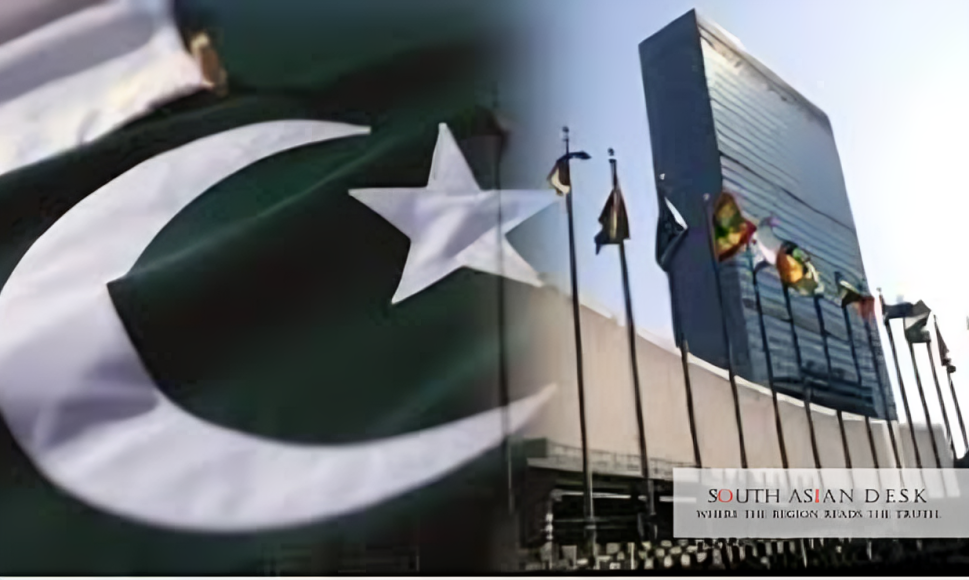
The United Nations General Assembly’s First Committee on Disarmament and International Security adopted four Pakistan-led arms control resolutions on Saturday. These measures address regional disarmament and nuclear threats. Pakistan sponsored the texts. The vote occurred in New York. Diplomats hailed the outcome as a step toward global stability.
Significance in South Asia
Pakistan’s push through these UN adopts Pakistan-led arms control resolutions carries weight in South Asia. The region hosts two nuclear powers locked in disputes over territory and resources. India and Pakistan maintain large arsenals. Tensions flared in May 2025 with a four-day conflict that killed dozens. Pakistan downed Indian jets and drones. A US-brokered ceasefire ended the fighting.
Such incidents highlight the need for safeguards. The resolutions promote negative security assurances. They assure non-nuclear states against atomic attacks. This initiative bolsters Pakistan’s diplomatic stance. It counters arms buildups by neighbors. Experts note it fosters dialogue. Reduced risks could free resources for development. Over 1.8 billion people live in South Asia. Peace here affects global security.
Unanimous Backing for Regional Disarmament
The First Committee approved two resolutions without dissent. The first, titled “Regional disarmament,” urges states to pursue arms reductions locally. It calls for balanced defenses. Pakistan has tabled this annually for decades. The text passed by consensus among 193 members.
The second, “Confidence-building measures in the regional and sub-regional contexts,” encourages transparency. States must share military data. This builds trust. It prevents miscalculations. Again, unanimous support followed.
Pakistan’s Permanent Mission to the UN noted the impact. “Pakistan has always taken a lead role in promoting nuclear and regional disarmament and conventional arms control at the United Nations,” the mission stated in a press release.
These Pakistan UN nuclear security resolutions align with broader goals. They complement global treaties like the Nuclear Non-Proliferation Treaty. Yet South Asia lacks such pacts. Pakistan advocates for equitable terms. The unanimous votes reflect wide agreement. Diplomats from Asia and Africa praised the approach.
Overwhelming Support for Nuclear Assurances
Two other texts passed with strong majorities. The resolution on “Conclusion of effective international arrangements to assure non-nuclear-weapon States against the use or threat of use of nuclear weapons” focuses on negative security assurances. Nuclear powers pledge restraint. This protects nations like Pakistan.
It garnered votes from most members. Only a few abstained or opposed. The outcome reaffirms the priority of these pledges. Pakistan’s mission highlighted the global nod. “These approvals show global recognition of the need to protect non-nuclear states from the threat or use of nuclear weapons,” it said.
This Pakistan negative security assurances UN effort traces to 1990s initiatives. Pakistan seeks a binding treaty. Current assurances remain voluntary. The resolution urges negotiations. In South Asia, it counters doctrines that threaten first use. Pakistan maintains a no-first-use policy. The measure eases fears of escalation.
Conventional Arms Control Gains Traction
The fourth resolution, “Conventional arms control at the regional and subregional levels,” targets non-nuclear weapons. It promotes limits on tanks, jets, and missiles. Regional pacts could stabilise borders.
It received 179 votes in favour. One opposed. Three abstained. India stood alone against it, sources say. This South Asia disarmament Pakistan initiative stresses equity. Wealthier states often dominate talks. Pakistan pushes for developing nations’ input. The text calls for risk reduction. Simple steps like hotlines prevent accidents.
Counsellor Syed Atif Raza of Pakistan’s mission spoke earlier. He urged tailored confidence-building measures. “Without progress towards eliminating underlying disputes… CBMs do not hold the kind of utility needed,” Raza said during debates. The adoption builds on past successes. Pakistan co-sponsors related UN texts yearly. It supports the Prevention of Arms Race in Outer Space resolution too.
Historical Context of Pakistan’s UN Role
Pakistan joined the UN in 1947. It quickly engaged on disarmament. In the 1970s, it opposed unequal treaties. The 1998 nuclear tests spurred focus on assurances. The First Committee debates annually. It feeds General Assembly votes. This year’s session ran from October to November 2025. Over 50 resolutions passed. Pakistan’s four stood out for support.
Data shows arms spending rises. South Asia spent USD 100 billion on defence in 2024. Pakistan allocated PKR 2.1 trillion. Redirecting funds aids poverty reduction. The resolutions now go to the full Assembly. Expected endorsement in December. This cements their status.
Diplomatic Implications
Adoption boosts Pakistan’s voice. As a Security Council elected member for 2025-26, it gains leverage. Allies like China backed the texts. Muslim nations aligned too. Critics note challenges. Binding pacts need ratification. India opposes regional arms talks without resolving Kashmir.
Yet progress matters. The votes show consensus on principles. Pakistan’s mission reaffirmed its lead. “Pakistan has, for decades, led initiatives in the United Nations to advance priority issues of nuclear disarmament, regional disarmament, conventional arms control, and confidence-building measures.” These steps align with Sustainable Development Goal 16 on peace.
What’s Next
The General Assembly vote looms. Ratification follows. Pakistan plans more pushes. It eyes a fissile material cutoff treaty. Talks resume in Geneva. Regional dialogues could follow. Pakistan invites India to bilateral CBMs. Success here tests the resolutions’ reach. In sum, the UN adopts Pakistan-led arms control resolutions mark a milestone. They pave ways for safer South Asia. Global powers must act to match words with deeds.
Published in SouthAsianDesk, November 9th, 2025
Follow SouthAsianDesk on X, Instagram, and Facebook for insights on business and current affairs from across South Asia.