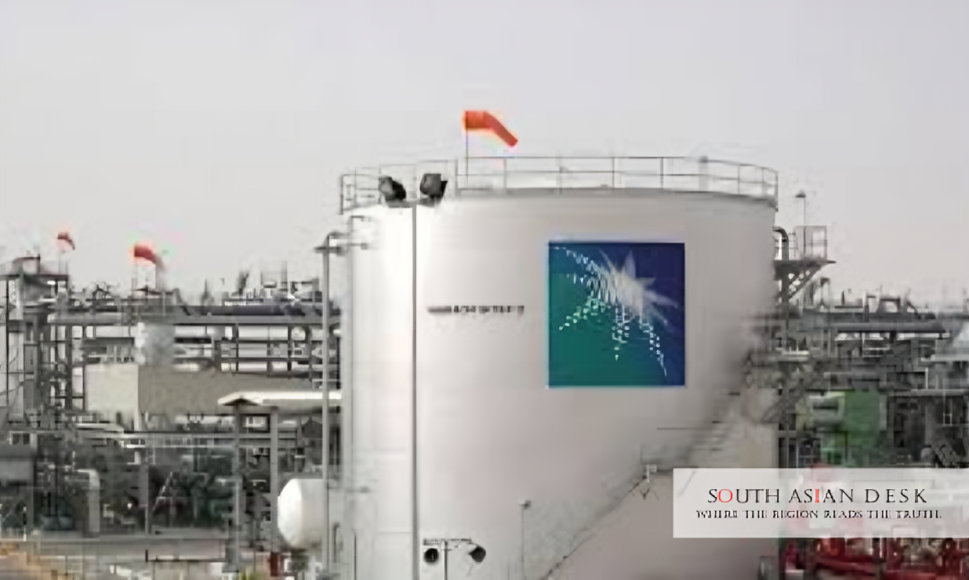
The Islamabad High Court (IHC) on Saturday took up a case where a local fuel station owner challenged Saudi Aramco Islamabad operations for alleged license violations. Mohammad Shafiq Mir filed the petition, claiming the Saudi firm’s branded outlets operate illegally, causing him financial harm. Justice Mohammad Azam Khan issued notices to respondents including the Oil and Gas Regulatory Authority (OGRA). The hearing lasted under an hour. The court adjourned the matter for replies.
This IHC Aramco fuel stations case underscores regulatory weaknesses in Pakistan‘s downstream oil sector. It tests foreign investment protections amid economic pressures. In South Asia, where energy security drives regional ties, the outcome could influence Saudi-Pakistan collaborations and deter similar ventures. Fair competition ensures stable prices for consumers across borders.
IHC Aramco Fuel Stations Case: Key Allegations Emerge
Petitioner Mohammad Shafiq Mir owns a Pakistan State Oil (PSO) station on Srinagar Highway in Islamabad. He argues that Aramco-branded fuel stations near his outlet rely on invalid permits. The petition states these outlets use licenses originally issued to local firms Gas & Oil Pakistan Ltd (GO) and Askar Oil. This setup breaches the OGRA Ordinance 2002, Pakistan Oil Rules 2016, Petroleum Act 1934, and Explosives Act 1884.
Counsel Kashif Ali Malik told the court the arrangement poses safety risks. He highlighted “serious safety, regulatory, and competitive distortions.” Mir seeks court orders to halt Aramco’s operations until proper licensing. The plea also demands compensation for his reported losses.
Justice Azam Khan questioned the respondents’ roles. He directed OGRA to explain its oversight. The judge noted apparent non-compliance with marketing license requirements. Aramco Asia Singapore Pvt Ltd, the parent entity, faces scrutiny for not registering as a corporate body in Pakistan. The case spotlights how foreign brands enter local markets. Aramco holds a 40% stake in GO since May 2024. This joint venture fuels its retail push.
Saudi Aramco Pakistan License Violation Claims Intensify
The core issue centres on Saudi Aramco Pakistan license violation allegations. OGRA mandates a marketing license for oil importers and retailers. The petition claims Aramco evades this by branding GO and Askar Oil stations. Explosives licenses, vital for fuel storage, transfer from local holders to Aramco use without approval.
Malik argued OGRA shows “systemic inaction.” He urged the court to restrain operations pending verification. Respondents include the Ministry of Energy, Capital Development Authority, and district administration. They must file replies soon.
Aramco’s model mirrors global strategies. In Pakistan, it offers “ProForce” premium fuel and Valvoline lubricants at outlets. Yet critics say it sidesteps local rules. The Explosives Act requires site-specific approvals for hazardous materials. Pakistan’s fuel market sees intense rivalry. Major players like PSO, Shell, and Total dominate. Aramco’s entry adds pressure. By November 2025, it operates 50 stations nationwide. Expansion started with the first branded station in October 2024.
Aramco Retail Outlets Islamabad Court Hearing Details
During the Aramco retail outlets Islamabad court hearing, Justice Azam Khan fixed no immediate date. The registrar will schedule the next session. The bench emphasised written responses from all sides.
Mir’s petition lists 10 respondents. It accuses authorities of favouritism. OGRA, as regulator, faces calls to enforce rules uniformly. Past fines by OGRA on other firms for storage lapses total millions in PKR. Yet no action against Aramco so far.
The hearing drew media attention at 4:35 PM on Saturday. Court staff noted rising petitions on energy matters. This fits a pattern of IHC interventions in regulatory disputes. Local operators worry about pricing edges. Aramco imports refined products, potentially undercutting costs.
Background: Aramco’s Rapid Expansion in Pakistan
Saudi Aramco entered Pakistan’s retail fuel market in 2024. It acquired 40% in GO for downstream growth. The deal valued expertise in fuels and lubricants. GO, founded in 2003, holds OGRA licenses for marketing. First outlets launched in Karachi and Lahore. By year-end 2024, five stations bore the Aramco logo. Growth accelerated in 2025. The 50th station opened on November 11 in an unnamed city. GO handles day-to-day operations under Aramco branding.
This aligns with Saudi Vision 2030. Pakistan benefits from investments amid forex strains. Bilateral ties strengthened via $25 billion pacts in 2019. Energy cooperation forms a pillar.
Yet challenges persist. Import duties and subsidies fluctuate. OGRA monitors stocks to avert shortages. In June 2025, it mandated 20-day reserves amid Middle East tensions. Aramco’s model boosts competition. Stations feature modern pumps and convenience stores. Valvoline tie-ups add value. Consumers report cleaner fuels. But locals like Mir see threats to small outlets.
Regulatory hurdles slow full rollout. The IHC case tests this balance. If upheld, it could mandate relicensing. Broader impacts include safety audits at all 50 sites. Pakistan’s oil imports hit 18 million tonnes yearly. Retail margins hover at PKR 5-7 per litre. Foreign entry promises efficiency but risks job losses in a sector employing thousands.
Implications for Energy Sector Fairness
The Saudi Aramco Islamabad operations challenged petition exposes gaps. OGRA’s role in licensing draws focus. It issued over 100 marketing permits since 2016. Compliance checks occur quarterly. Violations carry fines up to PKR 1 million per instance. Criminal penalties apply for safety breaches. The petition invokes these to seek injunctions.
In South Asia, similar issues plague India and Bangladesh. Foreign oil firms face localisation mandates. Pakistan’s case could set precedents for Belt and Road energy projects. Competition Commission of Pakistan monitors mergers. Aramco-GO deal cleared in 2024. It praised technology transfer.
What’s Next for Respondents
OGRA must clarify Aramco’s status. It could defend joint ventures as compliant. Aramco may argue branding falls under GO’s license.
The court awaits replies by early December. A full bench might probe deeper. Outcomes range from dismissal to shutdown orders. This Saudi Aramco Islamabad operations challenged saga eyes closure on licensing clarity. It shapes foreign retail in Pakistan’s fuels landscape.
Published in SouthAsianDesk, November 22nd, 2025
Follow SouthAsianDesk on X, Instagram, and Facebook for insights on business and current affairs from across South Asia.